Apamarga
अपामार्ग
Achyranthes aspera L.
Amaranthaceae · Achyranthes
Benefits & side effects
TRADITIONAL VIEW, WITH SAFETY LIMITS
Hindi name: Chirchita
What the texts say Apamarga does
- Vamaka — emetic
- Shirovirechana — clears the head (nasal errhine)
- Deepana — kindles digestion (appetiser)
- Krimighna — anthelmintic (against worms)
- Shothahara — reduces swelling
- Ashmarihara — used in urinary stones
What the evidence says. Traditional use is extensive and long recorded. Modern clinical evidence is limited.
Side effects and limits
- Nausea and vomiting — the tradition uses it as an emetic, so this is an expected action
- Burning sensation
- Skin irritation from the kshara
Avoid or ask first: Pregnancy — absolutely.; Breastfeeding.
A traditional classification, not a recommendation. The full safety record is below.
Stands in 2 groups
- Shirovirechanopaga — Adjuvant to nasal evacuation
- Arkadi — Kapha, fat, poison, and worms (named there as Mayuraka)
A Samhita can only be read forwards, from the group to its members. This is the same list read backwards.
Photographs
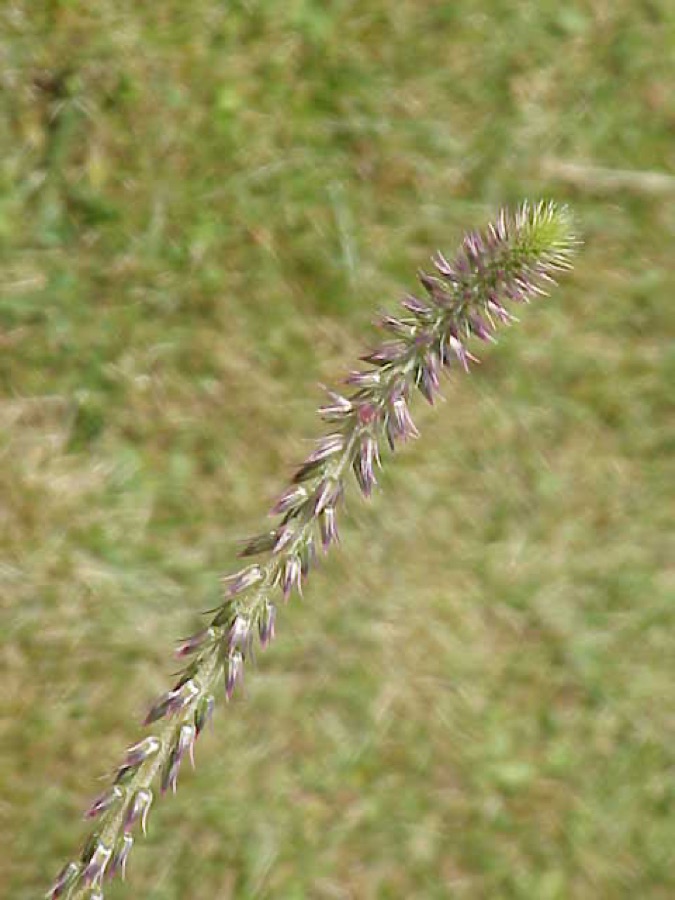
Photo: Unknown · CC BY-SA 3.0 · Wikimedia Commons

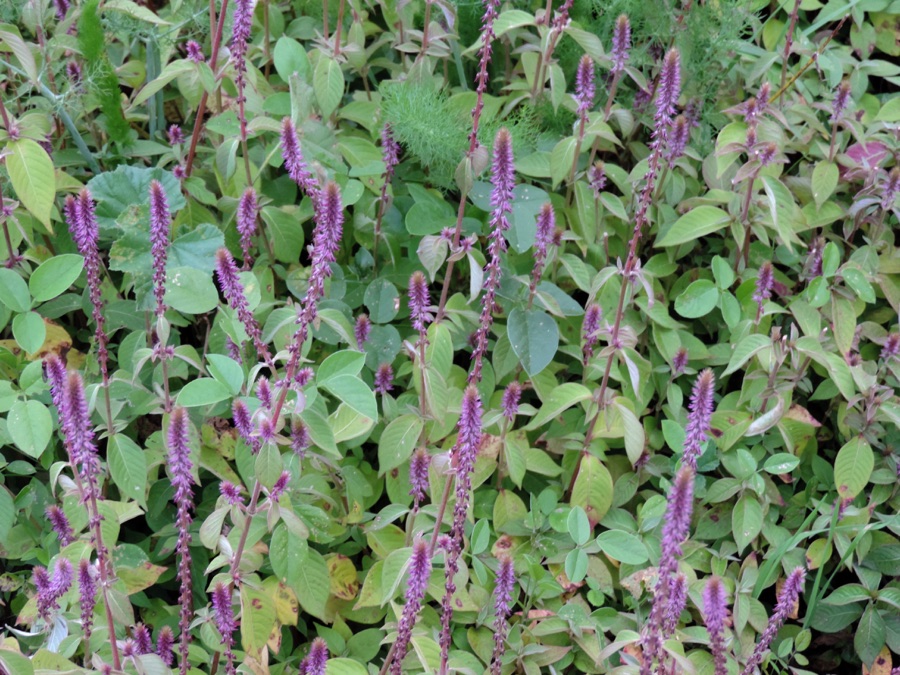
Photo: Krzysztof Ziarnek, Kenraiz · CC BY-SA 4.0 · Wikimedia Commons

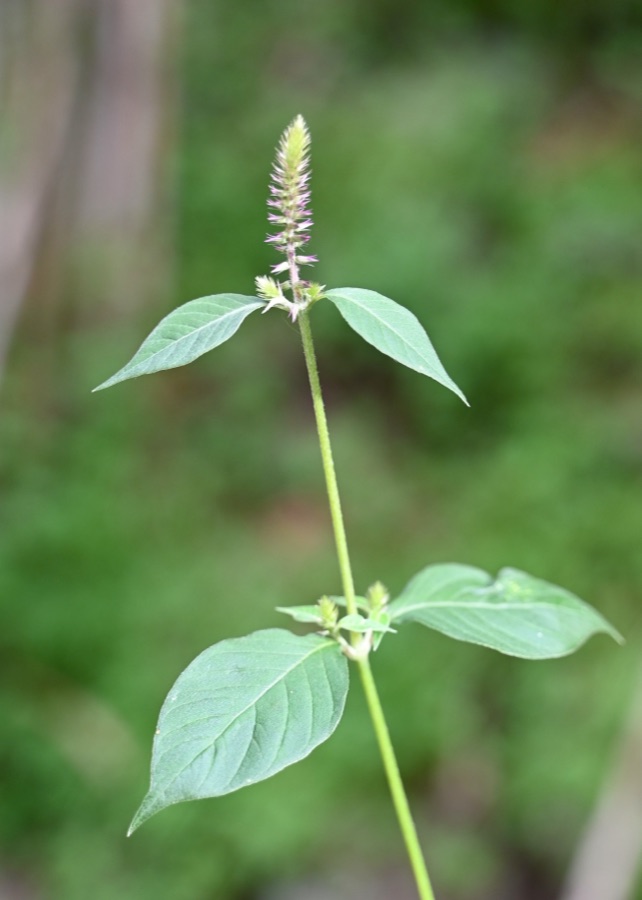
Photo: Krzysztof Ziarnek, Kenraiz · CC BY-SA 4.0 · Wikimedia Commons

Matra and anupana
AS THE CLASSICAL TEXTS AND THE API PRESCRIBE
| Kshara | 0.5–1 g |
| Churna | 1–3 g |
| Kwatha | 20–40 ml |
| Anupana | Ushnodaka · Madhu |
| Kala | Adhobhakta |
The kshara is caustic and the matra is small. Shirovirechana use is Charaka Sutrasthana 2. Contraindicated in pregnancy.
Reported from Sharangadhara Samhita and the Ayurvedic Pharmacopoeia of India. Laisha states what the texts prescribe; it does not recommend. No quantity here is adjusted for a particular person — not for agni, koshtha, bala, age, pregnancy, kidney or liver function, or anything already being taken.
Rasapanchaka
| Rasa | KatuTikta |
| Guna | LaghuRukshaTikshna |
| Virya | Ushna |
| Vipaka | Katu |
| Prabhava | The texts single out apamarga as vamaka and as shirovirechana — acting through the head — and its kshara is treated as the standard plant alkali. |
| Doshakarma | Kaphavatahara. Being ushna and tikshna it increases pitta. |
Katu and tikta with ushna virya and katu vipaka.
Karma and part used
These are the actions the classical texts record. They are statements about what the tradition holds, and this library does not restate them as findings about a human body.
| Upayukta anga | Panchanga (the whole plant) Beeja (the seed) Kshara (the ash) |
| Why it matters | The whole plant is used, and the seed separately. The ash of the burnt plant, Apamarga kshara, is a distinct preparation with its own uses. |
Paryaya
Pratyakpushpi and Adhahshalya both describe the flowers and fruits pointing backwards down the spike, which catch on clothing and animals. It is the identifying feature and the reason the plant travels.
Names, by language
| English | Prickly chaff flower |
| Sinhala | Karal heba |
| Nepali | Apamarga |
| Hindi | Chirchita |
| Kannada | Uttarane |
| Tamil | Nayuruvi |
| Telugu | Uttareni |
| Malayalam | Kadaladi |
| Marathi | Aghada |
| Gujarati | Aghedo |
| Bengali | Apang |
| Punjabi | Puthkanda |
| Odia | Apamaranga |
| Urdu | Chirchita |
Classical references
Rasa, guna, virya, vipaka and karma are recorded as the classical texts give them, with the text and section named so a student can open the book and check. Where an exact chapter and verse could not be confirmed, this library names the section rather than inventing a number.
Formulations it appears in
| Apamarga Kshara | The alkali prepared from the ash of the plant. |
| Apamarga Taila | Named for the dravya. |
| Kshara Sutra | Apamarga kshara is among the preparations used. |
Adulterants and substitutes
Achyranthes bidentata and other species are collected with it. Because the plant is a free roadside weed there is little economic reason to adulterate it, which makes this one of the least falsified dravya in the library — but roadside collection means it carries whatever the roadside carries, and that is the real quality question.
Identity
Matched live against the GBIF backbone on 28 September 2026 at 99 per cent confidence. A weed of every roadside in India, and one of the few dravya a student can find within a hundred metres of any college gate.
A WAY TO REMEMBER IT
Achyranthes is achyron (chaff) + anthos (flower) — the flowers are dry and chaffy. Aspera means rough, which is exactly how the spike feels when it catches your clothes.
What the tradition holds
Apamarga heads the Shirovirechana group in the Charaka Samhita and is described in the Bhavaprakasha Nighantu. That is what the tradition holds and where it is written down, not a finding about what the plant does in a body.
Constituents. The plant carries saponins including achyranthine, along with betaine and an alkali-rich ash.
What the evidence says
| Status | Traditional use is extensive and long recorded. Modern clinical evidence is limited. |
| Suggested | Health Canada publishes monographs covering Ayurvedic ingredients and permits specific traditional-use claims, which reflects a regulator accepting a documented tradition rather than a body of clinical trial evidence. |
| Not established | There is not enough good clinical evidence to establish an effect on any named health condition. Long traditional use is not a substitute for that evidence, and this library does not present it as one. |
| The honest gap | Published work is limited and uses material of unrecorded provenance, which for a roadside plant is the main variable. |
Safety
Two cautions. The seed is documented to have an action on the uterus and has been used to procure abortion, so this dravya is contraindicated in pregnancy. And because it is collected from roadsides and waste ground, it takes up what the ground and the traffic leave there — a dravya that costs nothing is not automatically a clean one. Anyone on medication, pregnant, or managing a diagnosed condition should speak to a doctor or a qualified practitioner first.
| Side effects | Nausea and vomiting — the tradition uses it as an emetic, so this is an expected action Burning sensation Skin irritation from the kshara |
| Contraindications | Pregnancy — absolutely. Breastfeeding. |
| Interactions | Contraindicated in pregnancy — classically abortifacient, and the kshara is a strong irritant. Diuretics — additive diuresis reported. |
| Pregnancy and breastfeeding | Not to be used in pregnancy in any quantity or form. Not to be used while breastfeeding. |
Growing it
| Climate | Tropical and subtropical; a weed of roadsides and waste ground everywhere in India. |
| Soil | Almost any. |
| Planting | Not planted. It arrives, carried on clothing and animals by its backward-pointing fruits. |
| Harvest | The whole plant is collected in flower and dried, or burnt to ash for kshara. Where it grew matters more than when. |
| What is not stated | This library has not verified region-specific spacing, variety and yield figures against a named agricultural authority for every growing country, and does not state them rather than guessing. |
Check this page
Print it and the code still works. It goes to this page and nowhere else.
What this is not
- This is a study and clinical reference for practitioners and students. The matra and anupana it records are what the classical texts and the Ayurvedic Pharmacopoeia of India PRESCRIBE — Laisha reports them, it does not recommend them. They are not a prescription for any particular person, and they are not adjusted for your age, agni, koshtha, bala, pregnancy, kidney or liver function, or anything else you are already taking. Only a qualified practitioner who has examined you can do that.
- Traditional classification is recorded as what the classical texts say, with the text and the place in it named so it can be checked. It is not restated as a finding about a human body.
- Nothing here replaces a qualified Ayurvedic practitioner or a doctor.
Sources
https://api.gbif.org/v1/species/match?name=Achyranthes%20aspera
https://pcimh.gov.in/
https://www.canada.ca/en/health-canada/services/drugs-health-products/natural-non-prescription/applications-submissions/product-licensing/compendium-monographs.html
https://niimh.nic.in/ebooks/esharangadhara/