Bhumyamalaki
भूम्यामलकी
Phyllanthus niruri L.
Phyllanthaceae · Phyllanthus
Benefits & side effects
TRADITIONAL VIEW, WITH SAFETY LIMITS
Hindi name: Bhui amla
What the texts say Bhumyamalaki does
- Kamalahara — used in jaundice (kamala)
- Deepana — kindles digestion (appetiser)
- Mutrala — diuretic
- Jwaraghna — used in fever
- Raktashodhana — purifies the blood
- Dahaprashamana — relieves burning
What the evidence says. Traditional use is extensive and long recorded. Modern clinical evidence is limited.
Side effects and limits
- Digestive upset
- Low blood sugar in those already on medication for it
Avoid or ask first: Pregnancy.; The period immediately before and after surgery, given the blood sugar and blood pressure effects.
A traditional classification, not a recommendation. The full safety record is below.
Stands in 1 group
- Shwasahara — Relieving breathlessness (named there as Tamalaki)
A Samhita can only be read forwards, from the group to its members. This is the same list read backwards.
Photographs
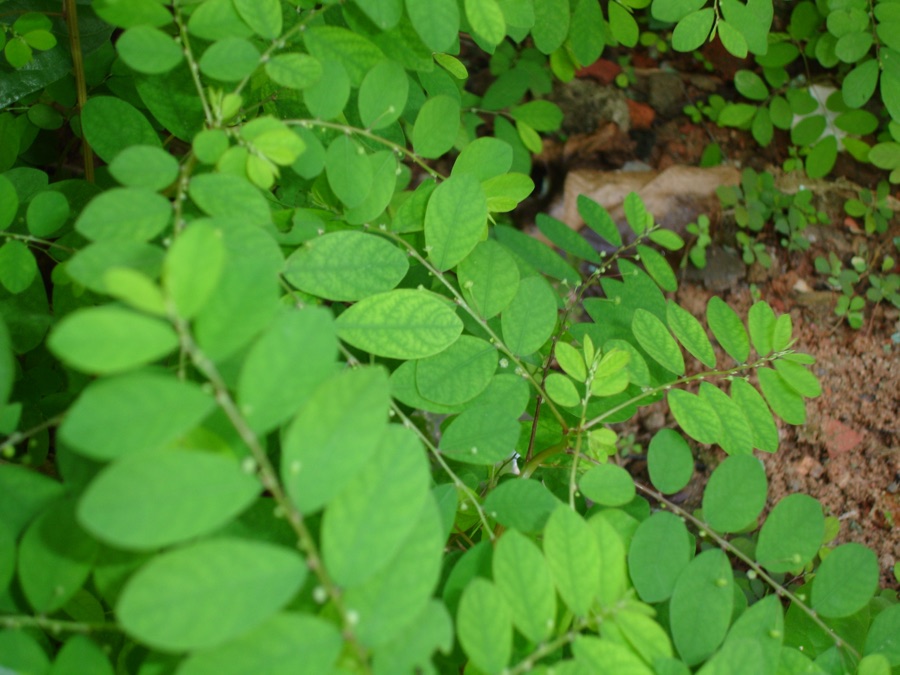
Photo: Toluaye · Public domain · Wikimedia Commons

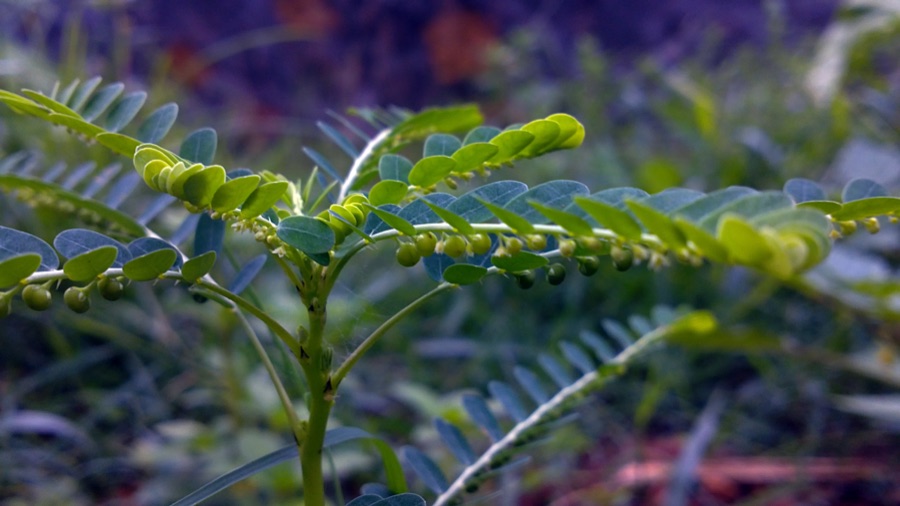
Photo: Sailesh · CC BY-SA 3.0 · Wikimedia Commons

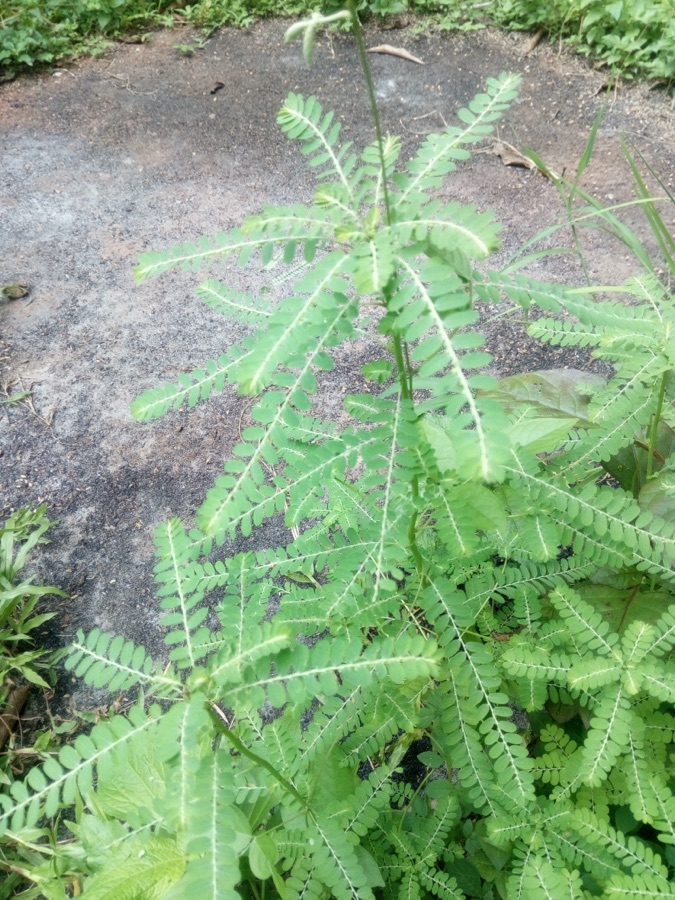
Photo: Dvellakat · CC BY-SA 4.0 · Wikimedia Commons

Matra and anupana
AS THE CLASSICAL TEXTS AND THE API PRESCRIBE
| Swarasa | 10–20 ml |
| Churna | 3–6 g |
| Kwatha | 50–100 ml |
| Anupana | Ushnodaka · Madhu |
| Kala | Adhobhakta |
The classical kamala drug. Confirm the species — Phyllanthus amarus is what Indian material usually is.
Reported from Sharangadhara Samhita and the Ayurvedic Pharmacopoeia of India. Laisha states what the texts prescribe; it does not recommend. No quantity here is adjusted for a particular person — not for agni, koshtha, bala, age, pregnancy, kidney or liver function, or anything already being taken.
Rasapanchaka
| Rasa | TiktaKashayaMadhura |
| Guna | LaghuRuksha |
| Virya | Sheeta |
| Vipaka | Madhura |
| Prabhava | The texts treat bhumyamalaki as the chief dravya for kamala and for disorders of pitta in the liver, and it is named in that connection more than any other plant. |
| Doshakarma | Kaphapittahara. Being ruksha and sheeta it can increase vata. |
Tikta and kashaya with madhura, sheeta virya and madhura vipaka.
Karma and part used
These are the actions the classical texts record. They are statements about what the tradition holds, and this library does not restate them as findings about a human body.
| Upayukta anga | Panchanga (the whole plant) |
| Why it matters | The whole herb is the article, collected in the rains when it comes up everywhere. |
Paryaya
Bhumyamalaki means earth-amalaki: the leaflets look like a small amalaki branch lying on the ground. Bahupatra, many-leaved, names the same feature. It is one of the easiest identifications in the materia medica.
Names, by language
| English | Stonebreaker |
| Sinhala | Pitawakka |
| Nepali | Bhui amala |
| Hindi | Bhui amla |
| Kannada | Nelanelli |
| Tamil | Keezhanelli |
| Telugu | Nela usiri |
| Malayalam | Keezharnelli |
| Marathi | Bhui avali |
| Gujarati | Bhony amli |
| Bengali | Bhui amla |
| Punjabi | Bhui amla |
| Odia | Bhuin amla |
| Urdu | Bhui amla |
Classical references
Rasa, guna, virya, vipaka and karma are recorded as the classical texts give them, with the text and section named so a student can open the book and check. Where an exact chapter and verse could not be confirmed, this library names the section rather than inventing a number.
Formulations it appears in
| Aarogyavardhini Vati | Bhumyamalaki appears in some recensions. |
| Bhumyamalaki Churna | Named for the dravya. |
Adulterants and substitutes
Four Phyllanthus species are sold under this name and even botanists need a hand lens to separate them — the difference is in whether the flowers sit under the leaflets or beside them, and in the seed markings. Because the species differ in their lignan content, a study of one is not a study of another, and neither is a purchase.
Identity
Matched live against the GBIF backbone on 28 September 2026 at 99 per cent confidence. Phyllanthus amarus, Phyllanthus fraternus and Phyllanthus urinaria are all traded under the same name and are genuinely difficult to separate in the field; that is set out below.
A WAY TO REMEMBER IT
Phyllanthus again — leaf-flower. Niruri is from the Tamil-Malayalam name. Bhumi-amalaki: the amalaki of the ground, because the fruit looks like a tiny amalaki set along the underside of the branch.
What the tradition holds
Bhumyamalaki is described in the Bhavaprakasha Nighantu and is recorded there for use where there is jaundice. That is what the tradition holds and where it is written down, not a finding about what the herb does in a body.
Constituents. The herb carries lignans including phyllanthin and hypophyllanthin, along with tannins and alkaloids. Content differs substantially between the four species traded under the name.
What the evidence says
| Status | Traditional use is extensive and long recorded. Modern clinical evidence is limited. |
| Suggested | Health Canada publishes monographs covering Ayurvedic ingredients and permits specific traditional-use claims, which reflects a regulator accepting a documented tradition rather than a body of clinical trial evidence. |
| Not established | There is not enough good clinical evidence to establish an effect on any named health condition. Long traditional use is not a substitute for that evidence, and this library does not present it as one. |
| The honest gap | A great deal of published work on Phyllanthus does not state which species was used, which given the above is the single most important omission possible. |
Safety
This dravya is used where the liver is affected, and that is exactly why it needs a plain caution: jaundice and liver disease need a diagnosis, because hepatitis, gallstone obstruction and drug injury are all treated differently and some are urgent. Using a herb in place of finding out which is the real hazard. It is also documented to lower blood sugar and blood pressure, so it adds to medicines that do the same. Anyone on medication, pregnant, or managing a diagnosed condition should speak to a doctor or a qualified practitioner first.
| Side effects | Digestive upset Low blood sugar in those already on medication for it |
| Contraindications | Pregnancy. The period immediately before and after surgery, given the blood sugar and blood pressure effects. |
| Interactions | Antidiabetic medicines — hypoglycaemic effect reported. Lithium — possible reduced clearance via diuretic action. Antihypertensives — additive lowering. |
| Pregnancy and breastfeeding | Not to be used in pregnancy or breastfeeding. |
Growing it
| Climate | Tropical; comes up with the monsoon on field margins, in pots and through paving. |
| Soil | Almost any. |
| Planting | Not planted. It self-sows everywhere in the rains. |
| Harvest | The whole herb is pulled in the rains, washed and dried in shade. |
| What is not stated | This library has not verified region-specific spacing, variety and yield figures against a named agricultural authority for every growing country, and does not state them rather than guessing. |
Check this page
Print it and the code still works. It goes to this page and nowhere else.
What this is not
- This is a study and clinical reference for practitioners and students. The matra and anupana it records are what the classical texts and the Ayurvedic Pharmacopoeia of India PRESCRIBE — Laisha reports them, it does not recommend them. They are not a prescription for any particular person, and they are not adjusted for your age, agni, koshtha, bala, pregnancy, kidney or liver function, or anything else you are already taking. Only a qualified practitioner who has examined you can do that.
- Traditional classification is recorded as what the classical texts say, with the text and the place in it named so it can be checked. It is not restated as a finding about a human body.
- Nothing here replaces a qualified Ayurvedic practitioner or a doctor.
Sources
https://api.gbif.org/v1/species/match?name=Phyllanthus%20niruri
https://pcimh.gov.in/
https://www.canada.ca/en/health-canada/services/drugs-health-products/natural-non-prescription/applications-submissions/product-licensing/compendium-monographs.html
https://niimh.nic.in/ebooks/esharangadhara/