Darbha
दर्भ
Imperata cylindrica (L.) P.Beauv.
Poaceae · Imperata
One name, more than one plant
Imperata cylindrica is the usual Darbha. Desmostachya bipinnata is Kusha, and the two names are used for each other constantly - but Sushruta lists Kusha and Darbha as separate members of Trina Panchamula, so they are two plants and not two names.
Benefits & side effects
TRADITIONAL VIEW, WITH SAFETY LIMITS
What the texts say Darbha does
- Mutrala — diuretic
- Daha prashamana — relieves burning
- Raktastambhana — checks bleeding (haemostatic)
- Trishna nigrahana — relieves thirst
What the evidence says. Traditional use is long recorded. Modern clinical evidence is limited.
Side effects and limits
A grass root in long and wide use with no significant toxicity recorded. Imperata cylindrica is one of the world's most invasive weeds, so it is not scarce and there is no collection pressure behind it. Anyone pregnant, on medication or managing a diagnosed condition should speak to a doctor or a qualified practitioner first.
Avoid or ask first: No absolute contraindication is documented here. This is written deliberately rather than left blank.
A traditional classification, not a recommendation. The full safety record is below.
Stands in 4 groups
- Stanyajanana — Generating breast milk
- Varunadi — Kapha, fat, and the head
- Viratarvadi — Urinary disease and Vata in the bladder
- Trina Panchamula — The five grass roots
A Samhita can only be read forwards, from the group to its members. This is the same list read backwards.
Photographs
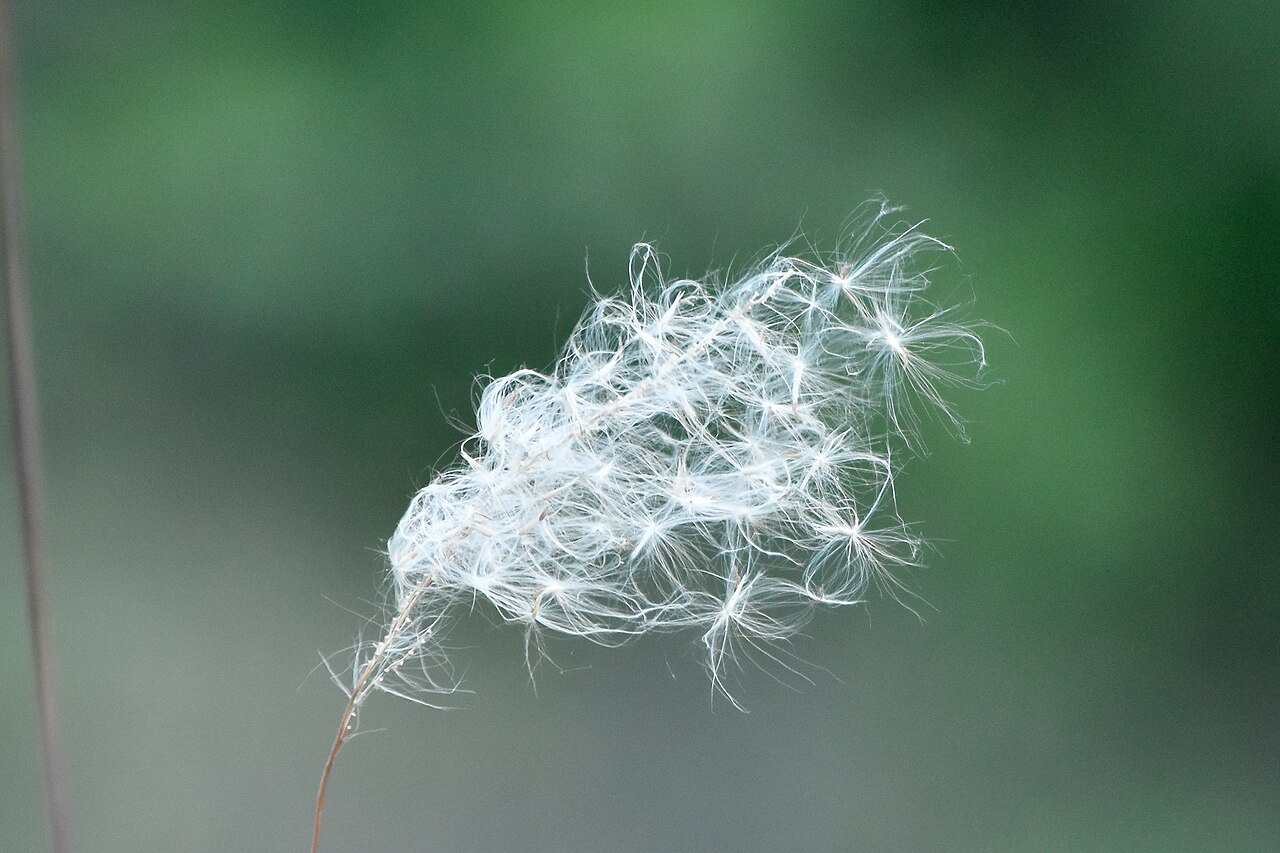
Photo: This Photo was taken by Timothy A. Gonsalves. Feel free to use my photos, but please mention me as the author. I would much appreciate if you send me an email [email protected] or write on my talk page, for my information. Please contact me before commercial use. Please do not upload an edited image here without consulting me. I would like to make corrections only at my own source to ensure that the changes improve the image and are preserved.Otherwise you may upload an edited image with a new name. Please use one of the templates derivative or extract. · CC BY-SA 4.0 · Wikimedia Commons

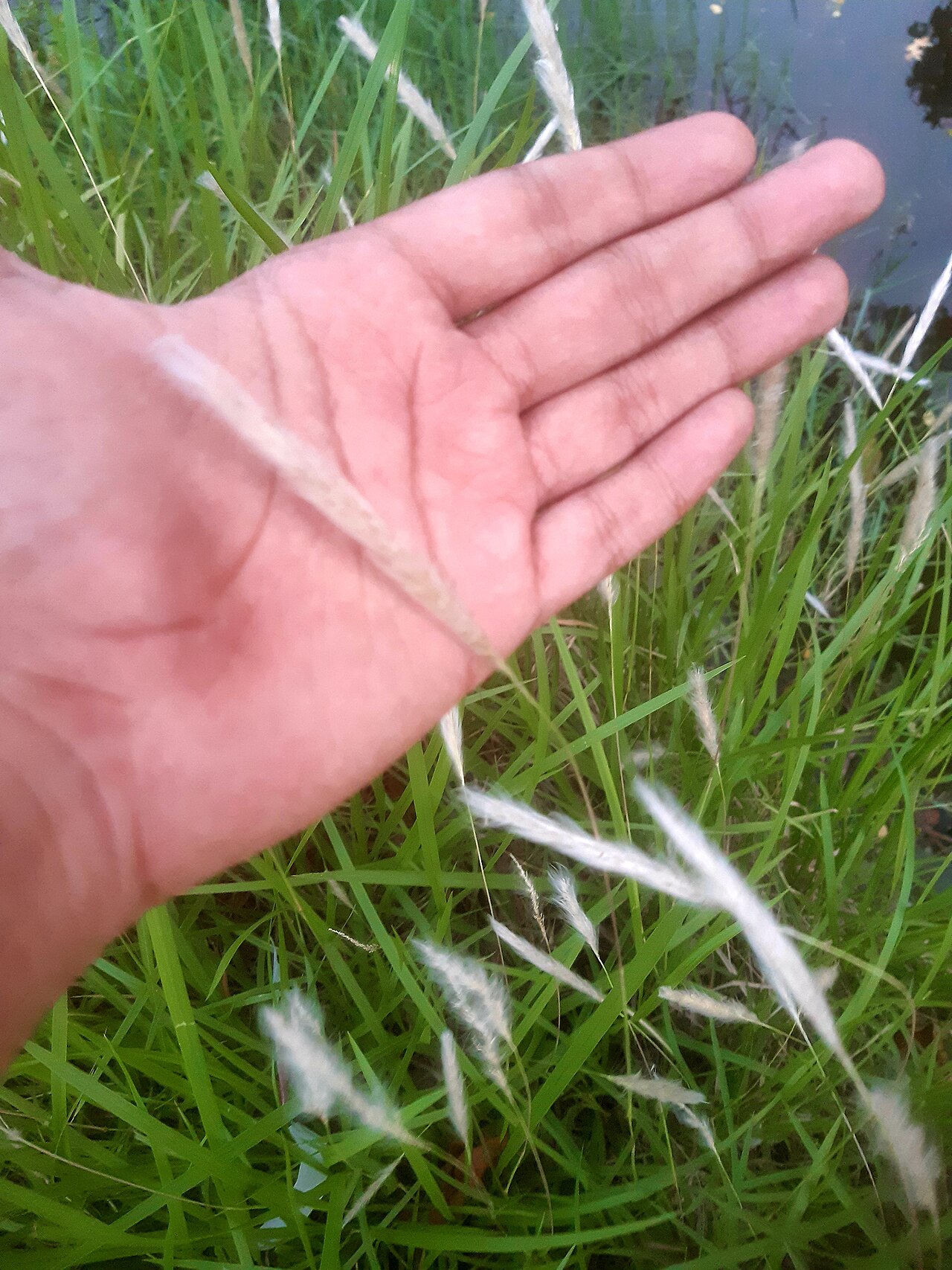
Photo: Symoum Syfullah Priyo · CC BY-SA 4.0 · Wikimedia Commons

Matra and anupana
AS THE CLASSICAL TEXTS AND THE API PRESCRIBE
| Kwatha | 50–100 ml |
| Churna | 3–6 g |
| Anupana | Sheetajala |
| Kala | Adhobhakta |
Usually as one of the Trina Panchamula rather than alone.
Reported from Sharangadhara Samhita and the Ayurvedic Pharmacopoeia of India. Laisha states what the texts prescribe; it does not recommend. No quantity here is adjusted for a particular person — not for agni, koshtha, bala, age, pregnancy, kidney or liver function, or anything already being taken.
Rasapanchaka
| Rasa | MadhuraKashaya |
| Guna | LaghuSnigdha |
| Virya | Sheeta |
| Vipaka | Madhura |
| Prabhava | One of the five roots of Trina Panchamula, used in mutrakrichhra and in the burning and bleeding states. |
| Doshakarma | Pittakaphahara. |
Madhura and kashaya with sheeta virya and madhura vipaka, matching the rest of the Trina Panchamula.
Karma and part used
These are the actions the classical texts record. They are statements about what the tradition holds, and this library does not restate them as findings about a human body.
| Upayukta anga | Mula (the root and rhizome) |
| Why it matters | The rhizome and root. The blade is the ritual article; the root is the medicinal one. |
Paryaya
Darbha and Kusha are treated as one name across most of the market, which is why the Trina Panchamula is so often supplied four-fifths complete.
Names, by language
| English | Cogon grass |
| Hindi | Darbha |
| Kannada | Darbhe hullu |
| Tamil | Darbha |
| Telugu | Darbha |
| Malayalam | Darbha |
| Marathi | Darbha |
| Gujarati | Darbha |
| Bengali | Darbha |
| Odia | Darbha |
| Urdu | Darbha |
Classical references
Formulations it appears in
| Trina Panchamula Kwatha | One of the five roots the group is made of. |
| Chandanasava | An ingredient. |
Adulterants and substitutes
Darbha and Kusha are supplied for each other as a matter of routine, and because both belong to the same classical group the substitution passes unnoticed. The consequence is that a Trina Panchamula made up from the market is frequently four roots and a duplicate. Several other coarse grasses are collected as either.
Identity
Imperata cylindrica is the usual Darbha. Desmostachya bipinnata is Kusha, and the two names are used for each other constantly - but Sushruta lists Kusha and Darbha as separate members of Trina Panchamula, so they are two plants and not two names.
A WAY TO REMEMBER IT
Imperata honours Ferrante Imperato, a Naples apothecary. Cylindrica, for the cylindrical flower spike. Darbha is from a root meaning to tie in a bunch, which is how the grass is gathered for both its uses.
What the tradition holds
Darbha is one of the five roots of Trina Panchamula in the Sushruta Samhita, named there separately from Kusha. That is what the tradition records.
What the evidence says
| Status | Traditional use is long recorded. Modern clinical evidence is limited. |
| Suggested | The dravya holds a pharmacopoeial monograph in India, which records an accepted identity and quality standard for the article. That is a standard for the material, not evidence of an effect in a body. |
| Not established | There is not enough good clinical evidence to establish an effect on any named health condition. Long traditional use is not a substitute for that evidence, and this library does not present it as one. |
| The honest gap | Published work on this dravya rarely records the origin or the standard of the material tested, so results cannot be attributed to a defined article. |
Safety
A grass root in long and wide use with no significant toxicity recorded. Imperata cylindrica is one of the world's most invasive weeds, so it is not scarce and there is no collection pressure behind it. Anyone pregnant, on medication or managing a diagnosed condition should speak to a doctor or a qualified practitioner first.
| Contraindications | No absolute contraindication is documented here. This is written deliberately rather than left blank. |
| Interactions | No specific drug interaction is documented for this dravya. That is the honest state of the evidence, not a statement that none exists — most Ayurvedic dravya have never been studied for interaction with modern medicines at all. |
| Pregnancy and breastfeeding | No specific harm is documented and no adequate study exists. Safety in pregnancy has not been established. |
Check this page
Print it and the code still works. It goes to this page and nowhere else.
What this is not
- This is a study and clinical reference for practitioners and students. The matra and anupana it records are what the classical texts and the Ayurvedic Pharmacopoeia of India PRESCRIBE — Laisha reports them, it does not recommend them. They are not a prescription for any particular person, and they are not adjusted for your age, agni, koshtha, bala, pregnancy, kidney or liver function, or anything else you are already taking. Only a qualified practitioner who has examined you can do that.
- Traditional classification is recorded as what the classical texts say, with the text and the place in it named so it can be checked. It is not restated as a finding about a human body.
- Nothing here replaces a qualified Ayurvedic practitioner or a doctor.
Sources
https://api.gbif.org/v1/species/match?name=Imperata%20cylindrica
https://pcimh.gov.in/
https://niimh.nic.in/ebooks/ebnighantu/
https://niimh.nic.in/ebooks/esharangadhara/