Gunja
गुञ्जा
Abrus precatorius L.
Fabaceae · Abrus
Benefits & side effects
TRADITIONAL VIEW, WITH SAFETY LIMITS
Hindi name: Ratti
What the texts say Gunja does
- Keshya — good for the hair
- Kushthaghna — used in skin disease
- Krimighna — anthelmintic (against worms)
- Vedanasthapana — relieves pain
- Vajikarana — aphrodisiac, virilising
What the evidence says. Traditional use is extensive and long recorded. Modern clinical evidence is limited.
Side effects and limits
- Severe irritation of the mouth and gut
- Vomiting and diarrhoea
Avoid or ask first: Internal use of raw seed, by anyone, in any quantity.; Self-treatment, absolutely.; Pregnancy and breastfeeding.; and more below.
A traditional classification, not a recommendation. The full safety record is below.
Photographs
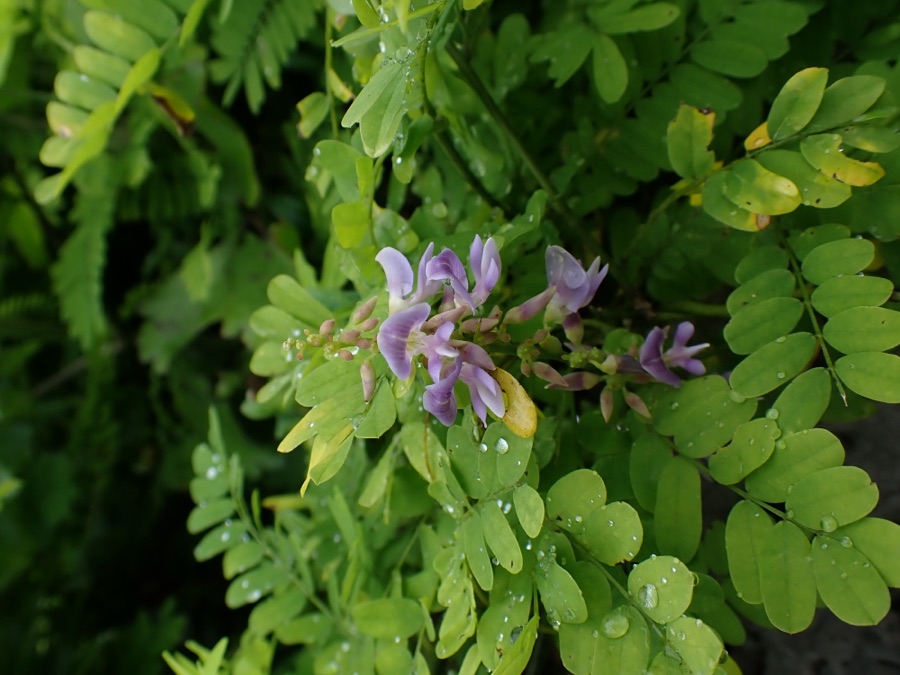
Photo: M108t · CC BY 4.0 · Wikimedia Commons

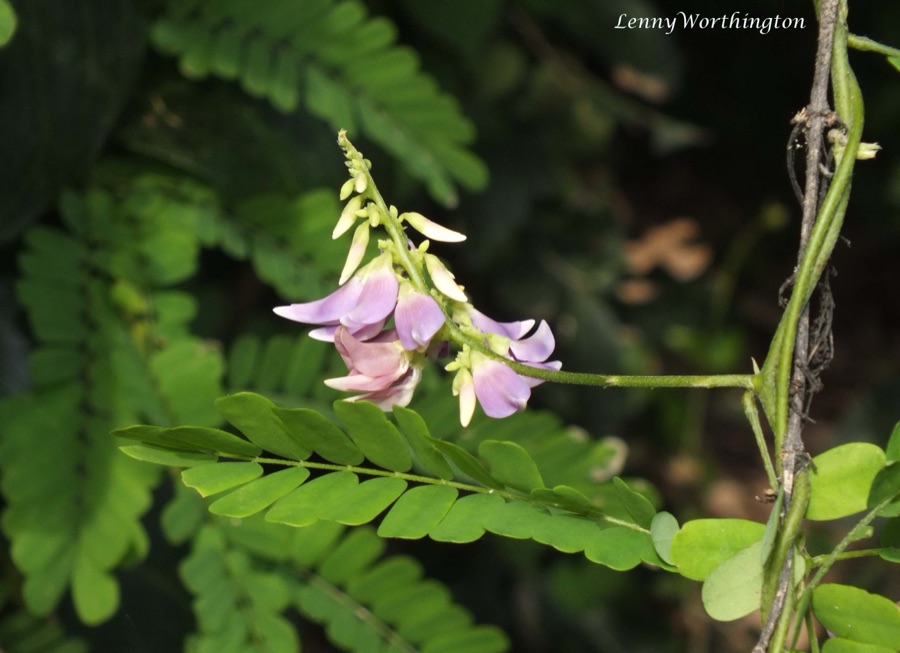
Photo: Len Worthington · CC BY-SA 2.0 · Wikimedia Commons

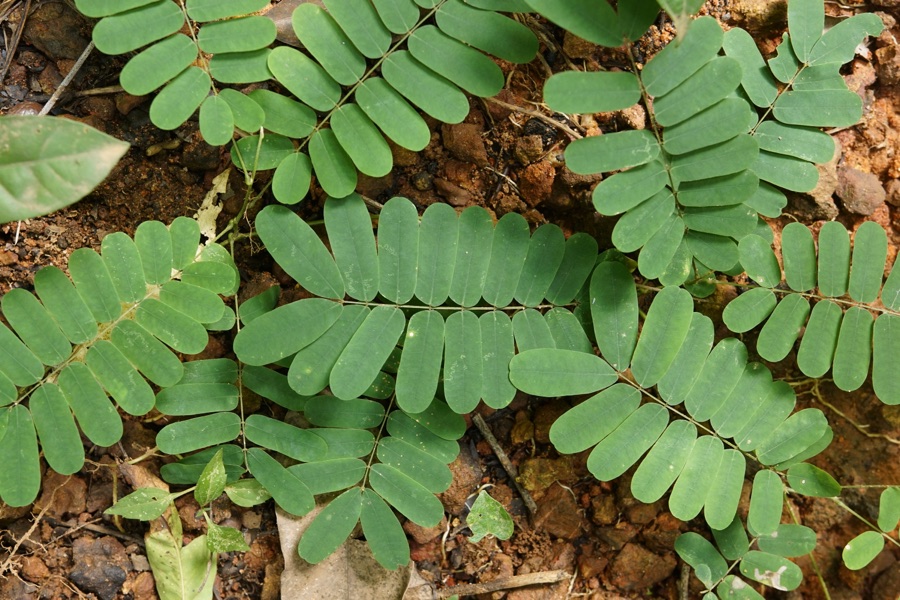
Photo: Vengolis · CC BY-SA 4.0 · Wikimedia Commons

Matra and anupana
AS THE CLASSICAL TEXTS AND THE API PRESCRIBE
| Shodhita beeja | 30–125 mg, specialist use only |
| Anupana | Ghrita |
Among the upavisha and one of the most toxic plant proteins known. The intact chewed seed is lethal. Chiefly external.
Reported from Sharangadhara Samhita and the Ayurvedic Pharmacopoeia of India. Laisha states what the texts prescribe; it does not recommend. No quantity here is adjusted for a particular person — not for agni, koshtha, bala, age, pregnancy, kidney or liver function, or anything already being taken.
Rasapanchaka
| Rasa | TiktaKashaya |
| Guna | LaghuRukshaTikshna |
| Virya | Ushna |
| Vipaka | Katu |
| Prabhava | The texts use gunja externally for hair and for skin, and the white-seeded kind is distinguished from the red and preferred for some uses. |
| Doshakarma | Kaphavatahara. |
Tikta and kashaya with ushna virya and katu vipaka.
Karma and part used
These are the actions the classical texts record. They are statements about what the tradition holds, and this library does not restate them as findings about a human body.
| Upayukta anga | Beeja (the seed), only after shodhana Mula (the root) Patra (the leaf) |
| Why it matters | The seed is the article and it is never used raw. The root and leaf are far milder and are used more freely. Shodhana by boiling in milk is what the texts require before the seed is used at all. |
Paryaya
Raktika, the red one, names the scarlet seed with its single black eye. That seed was the classical unit of weight — one ratti — because the seeds are so uniform, which is why a jeweller and a physician once used the same word.
Names, by language
| English | Rosary pea |
| Sinhala | Olinda |
| Nepali | Rati gedi |
| Hindi | Ratti |
| Kannada | Gulaganji |
| Tamil | Kunrimani |
| Telugu | Guruginja |
| Malayalam | Kunni |
| Marathi | Gunj |
| Gujarati | Chanothi |
| Bengali | Kunch |
| Punjabi | Ratti |
| Odia | Kaincha |
| Urdu | Ghunghchi |
Classical references
Rasa, guna, virya, vipaka and karma are recorded as the classical texts give them, with the text and section named so a student can open the book and check. Where an exact chapter and verse could not be confirmed, this library names the section rather than inventing a number.
Formulations it appears in
| Gunja Taila | An oil named for the dravya, used externally on the scalp. |
| Gunjadi Churna | Named for the dravya, after purification. |
Adulterants and substitutes
The red seed is sold widely as a bead and as jewellery, and that is how most poisonings happen rather than through medicine. The white-seeded kind is a different variety of the same species and is scarcer. Because the seeds are famously uniform in weight they were used as a measure, which means they turn up in places nobody thinks of as a pharmacy.
Identity
Matched live against the GBIF backbone on 28 September 2026 at 99 per cent confidence. Classed among the upavisha. The seed contains abrin, a toxin of the same class as ricin and, by weight, one of the most poisonous substances known.
A WAY TO REMEMBER IT
Abrus is habros, graceful. Precatorius means of prayer — the scarlet-and-black seeds were strung as rosaries, and are also the classical weight standard. Beautiful, used for prayer, and lethal.
What the tradition holds
Gunja is described in the Sushruta Samhita among the poisons and in the Bhavaprakasha Nighantu. That is what the tradition holds and where it is written down, not a finding about what the seed does in a body.
Constituents. The seed carries abrin, a ribosome-inactivating protein of the same class as ricin. The hard seed coat is what makes an intact swallowed seed usually survivable; a chewed one is not.
What the evidence says
| Status | Traditional use is extensive and long recorded. Modern clinical evidence is limited. |
| Suggested | No claim of established clinical effect is made here. The modern literature is about poisoning. |
| Not established | There is not enough good clinical evidence to establish an effect on any named health condition. Long traditional use is not a substitute for that evidence, and this library does not present it as one. |
| The honest gap | How much abrin survives shodhana is not visible in the finished article, which is why this dravya belongs only with a qualified practitioner. |
Safety
A single chewed seed can kill an adult. Abrin is among the most toxic substances known and has no antidote. The seed's hard shiny coat is what usually saves people who swallow one whole — it passes through — but a seed that is chewed, crushed, drilled or ground releases the toxin, and deaths are recorded, including among people making jewellery who pricked a finger while drilling. Children are poisoned by the seeds because they are beautiful: scarlet with a black eye, and strung as beads. Raw gunja is never used. This is not a dravya for self-treatment in any form, and suspected poisoning is a hospital emergency.
| Side effects | Severe irritation of the mouth and gut Vomiting and diarrhoea |
| Contraindications | Internal use of raw seed, by anyone, in any quantity. Self-treatment, absolutely. Pregnancy and breastfeeding. Children. |
| Interactions | Abrin is one of the most toxic plant proteins known and the intact seed is lethal if chewed. No internal use outside a qualified Rasashastra context after shodhana. |
| Pregnancy and breastfeeding | Not to be used in pregnancy or breastfeeding in any quantity or form. |
Growing it
| Climate | Tropical; a slender climber of hedges and scrub. |
| Soil | Wide range, well-drained. A legume. |
| Planting | Grown from seed; also self-sows and is common as a wild climber. |
| Harvest | Pods collected when they split. Seeds are handled with care and purified before any use. |
| What is not stated | This library has not verified region-specific spacing, variety and yield figures against a named agricultural authority for every growing country, and does not state them rather than guessing. |
Check this page
Print it and the code still works. It goes to this page and nowhere else.
What this is not
- This is a study and clinical reference for practitioners and students. The matra and anupana it records are what the classical texts and the Ayurvedic Pharmacopoeia of India PRESCRIBE — Laisha reports them, it does not recommend them. They are not a prescription for any particular person, and they are not adjusted for your age, agni, koshtha, bala, pregnancy, kidney or liver function, or anything else you are already taking. Only a qualified practitioner who has examined you can do that.
- Traditional classification is recorded as what the classical texts say, with the text and the place in it named so it can be checked. It is not restated as a finding about a human body.
- Nothing here replaces a qualified Ayurvedic practitioner or a doctor.
Sources
https://api.gbif.org/v1/species/match?name=Abrus%20precatorius
https://pcimh.gov.in/
https://www.canada.ca/en/health-canada/services/drugs-health-products/natural-non-prescription/applications-submissions/product-licensing/compendium-monographs.html
https://niimh.nic.in/ebooks/esharangadhara/