Jivanti
जीवन्ती
Leptadenia reticulata (Retz.) Wight & Arn.
Apocynaceae · Leptadenia
One name, more than one plant
Matched live against the GBIF backbone on 28 September 2026 at 99 per cent confidence. Assessed as endangered in parts of its range. Several plants are used under the name Jivanti in different regions, chiefly Leptadenia in the north and west and Holostemma ada-kodien in Kerala.
Benefits & side effects
TRADITIONAL VIEW, WITH SAFETY LIMITS
Hindi name: Dodi
What the texts say Jivanti does
- Jivaniya — vitalising, life-sustaining
- Balya — strengthening
- Rasayana — rejuvenative
- Chakshushya — good for the eyes
- Stanyajanana — promotes breast milk
- Brimhana — nourishing, builds tissue
What the evidence says. Traditional use is extensive and long recorded. Modern clinical evidence is limited.
Side effects and limits
- Digestive upset
Avoid or ask first: No absolute contraindication is documented here. This is written deliberately rather than left blank.
A traditional classification, not a recommendation. The full safety record is below.
Stands in 5 groups
- Jivaniya — Life-sustaining
- Shwasahara — Relieving breathlessness
- Snehopaga — Adjuvant to oleation
- Vayasthapana — Sustaining youth
- Kakolyadi — Pitta, bleeding, and the building of tissue
A Samhita can only be read forwards, from the group to its members. This is the same list read backwards.
Photographs
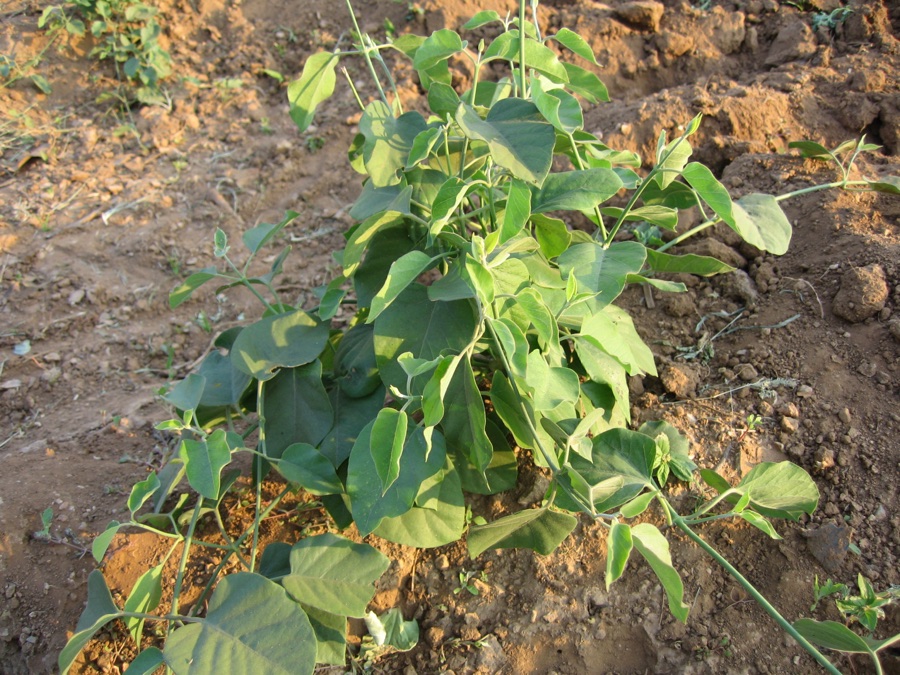
Photo: Drorchidaceae · CC BY-SA 3.0 · Wikimedia Commons

Matra and anupana
AS THE CLASSICAL TEXTS AND THE API PRESCRIBE
| Churna | 3–6 g |
| Kwatha | 50–100 ml |
| Anupana | Dugdha · Ghrita |
| Kala | Adhobhakta |
Heads the Jivaniya dashemani. Widely adulterated — confirm the material.
Reported from Sharangadhara Samhita and the Ayurvedic Pharmacopoeia of India. Laisha states what the texts prescribe; it does not recommend. No quantity here is adjusted for a particular person — not for agni, koshtha, bala, age, pregnancy, kidney or liver function, or anything already being taken.
Rasapanchaka
| Rasa | Madhura |
| Guna | LaghuSnigdha |
| Virya | Sheeta |
| Vipaka | Madhura |
| Prabhava | The texts treat jivanti as the chief jivaniya dravya — that which sustains life — and it heads the Jivaniya gana in the Charaka Samhita. |
| Doshakarma | Tridoshahara. |
A single rasa, madhura, with sheeta virya and madhura vipaka.
Karma and part used
These are the actions the classical texts record. They are statements about what the tradition holds, and this library does not restate them as findings about a human body.
| Upayukta anga | Panchanga (the whole plant) Mula (the root) Patra (the leaf) |
| Why it matters | The whole plant is used, and the leaf is eaten as a vegetable in Gujarat and Rajasthan. |
Paryaya
Jivanti and Jivani both come from jiva, life. Shakashreshtha means the best of leafy vegetables, which is the tradition placing it at the top of a category rather than describing an appearance.
Names, by language
| English | Jivanti |
| Sinhala | Jivanti |
| Nepali | Jivanti |
| Hindi | Dodi |
| Kannada | Kalasa |
| Tamil | Palai |
| Telugu | Kalasa |
| Malayalam | Ata kodiyan |
| Marathi | Harandodi |
| Gujarati | Dodi |
| Bengali | Jiyanti |
| Punjabi | Dodi |
| Odia | Jibanti |
| Urdu | Jivanti |
Classical references
Rasa, guna, virya, vipaka and karma are recorded as the classical texts give them, with the text and section named so a student can open the book and check. Where an exact chapter and verse could not be confirmed, this library names the section rather than inventing a number.
Formulations it appears in
| Jivantyadi Ghrita | Named for the dravya. |
| Jivaniya Gana Taila | Jivanti heads the group the oil is named for. |
| Ashtavarga substitutes | Jivanti is among the plants used where the Ashtavarga herbs cannot be had. |
Adulterants and substitutes
Two quite different plants are sold as Jivanti: Leptadenia reticulata across the north and west, and Holostemma ada-kodien in Kerala, where it is called Jivanti too. Dendrobium orchids are also used under the name in some Ashtavarga substitutions. Because Leptadenia is endangered and costly, substitution runs heavily toward the cheaper plants.
Identity
Matched live against the GBIF backbone on 28 September 2026 at 99 per cent confidence. Assessed as endangered in parts of its range. Several plants are used under the name Jivanti in different regions, chiefly Leptadenia in the north and west and Holostemma ada-kodien in Kerala.
A WAY TO REMEMBER IT
Leptadenia is leptos (slender) + aden (gland). Reticulata means netted, for the leaf veins. Jivanti means the life-giver.
What the tradition holds
Jivanti heads the Jivaniya gana in the Charaka Samhita and is described in the Bhavaprakasha Nighantu. That is what the tradition holds and where it is written down, not a finding about what the plant does in a body.
Constituents. The plant carries pregnane glycosides, sterols and flavonoids.
What the evidence says
| Status | Traditional use is extensive and long recorded. Modern clinical evidence is limited. |
| Suggested | Health Canada publishes monographs covering Ayurvedic ingredients and permits specific traditional-use claims, which reflects a regulator accepting a documented tradition rather than a body of clinical trial evidence. |
| Not established | There is not enough good clinical evidence to establish an effect on any named health condition. Long traditional use is not a substitute for that evidence, and this library does not present it as one. |
| The honest gap | Published work rarely names which Jivanti was used, and the two principal plants are in different families. |
Safety
No serious harm is documented for this dravya at traditional use, which is a statement about the absence of records and not a guarantee — and the absence is partly because so little work has been done on it. The leaf is eaten as a vegetable in western India, which is a long record of ordinary use. It is assessed as endangered in parts of its range and heavily collected, so source matters. Anyone on medication, pregnant, or managing a diagnosed condition should speak to a doctor or a qualified practitioner first.
| Side effects | Digestive upset |
| Contraindications | No absolute contraindication is documented here. This is written deliberately rather than left blank. |
| Interactions | No specific interaction is documented here. Anyone on regular medication should still tell their doctor what they are taking. |
| Pregnancy and breastfeeding | There is not enough evidence to establish safety in pregnancy or breastfeeding, and a qualified practitioner should be asked first. |
Growing it
| Climate | Tropical and subtropical; a woody climber of scrub and hedges. |
| Soil | Well-drained ground; drought-hardy. |
| Planting | Grown from seed or cuttings; needs support to climb. Cultivation is being established because wild stands cannot meet demand. |
| Harvest | Whole plant or root lifted from established plants and dried in shade. Leaf picked through the season. |
| What is not stated | Assessed as endangered in parts of its range. Cultivated material should be preferred where it can be had. |
Check this page
Print it and the code still works. It goes to this page and nowhere else.
What this is not
- This is a study and clinical reference for practitioners and students. The matra and anupana it records are what the classical texts and the Ayurvedic Pharmacopoeia of India PRESCRIBE — Laisha reports them, it does not recommend them. They are not a prescription for any particular person, and they are not adjusted for your age, agni, koshtha, bala, pregnancy, kidney or liver function, or anything else you are already taking. Only a qualified practitioner who has examined you can do that.
- Traditional classification is recorded as what the classical texts say, with the text and the place in it named so it can be checked. It is not restated as a finding about a human body.
- Nothing here replaces a qualified Ayurvedic practitioner or a doctor.
- 2 photograph(s) were removed from this entry because they showed the wrong plant — Asclepias tuberosa — a North American milkweed, not Leptadenia reticulata. A library whose purpose is identification cannot illustrate a dravya with a different species.
Sources
https://api.gbif.org/v1/species/match?name=Leptadenia%20reticulata
https://pcimh.gov.in/
https://www.canada.ca/en/health-canada/services/drugs-health-products/natural-non-prescription/applications-submissions/product-licensing/compendium-monographs.html
https://niimh.nic.in/ebooks/esharangadhara/