Kapikacchu
कपिकच्छु
Mucuna pruriens (L.) DC.
Fabaceae · Mucuna
Benefits & side effects
TRADITIONAL VIEW, WITH SAFETY LIMITS
Hindi name: Kaunch
What the texts say Kapikacchu does
- Vrishya — aphrodisiac, supports reproductive vigour
- Balya — strengthening
- Brimhana — nourishing, builds tissue
- Vatahara — pacifies vata
- Rasayana — rejuvenative
What the evidence says. Traditional use is extensive and long recorded. Modern clinical evidence is limited.
Side effects and limits
- Nausea and vomiting
- Bloating
- Headache
- Insomnia
- Involuntary movements at high intake
Avoid or ask first: Pregnancy and breastfeeding.; Anyone taking levodopa or other Parkinson's medicine, except under a doctor's direction.; Anyone taking an MAO inhibitor.; and more below.
A traditional classification, not a recommendation. The full safety record is below.
Photographs
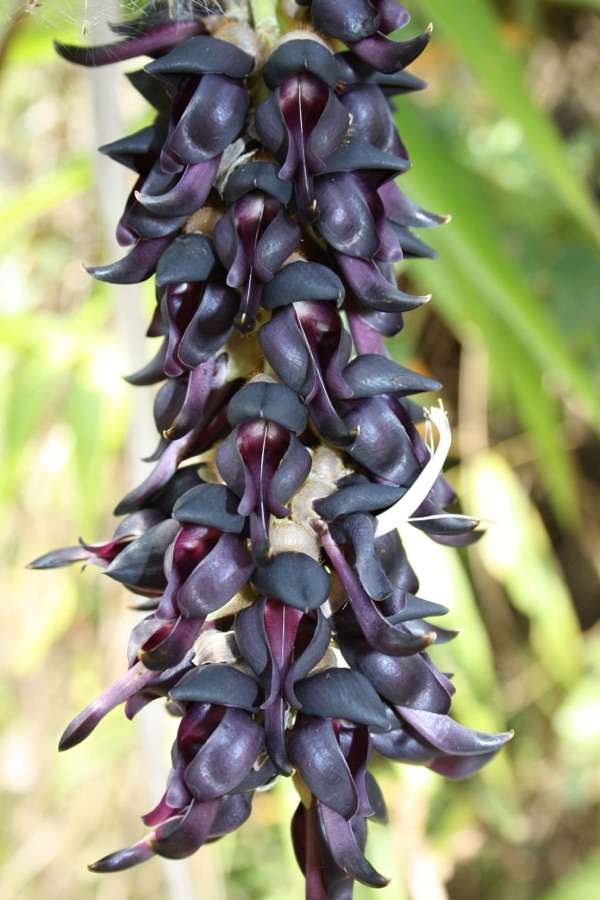
Photo: Agong1 · CC BY-SA 3.0 · Wikimedia Commons

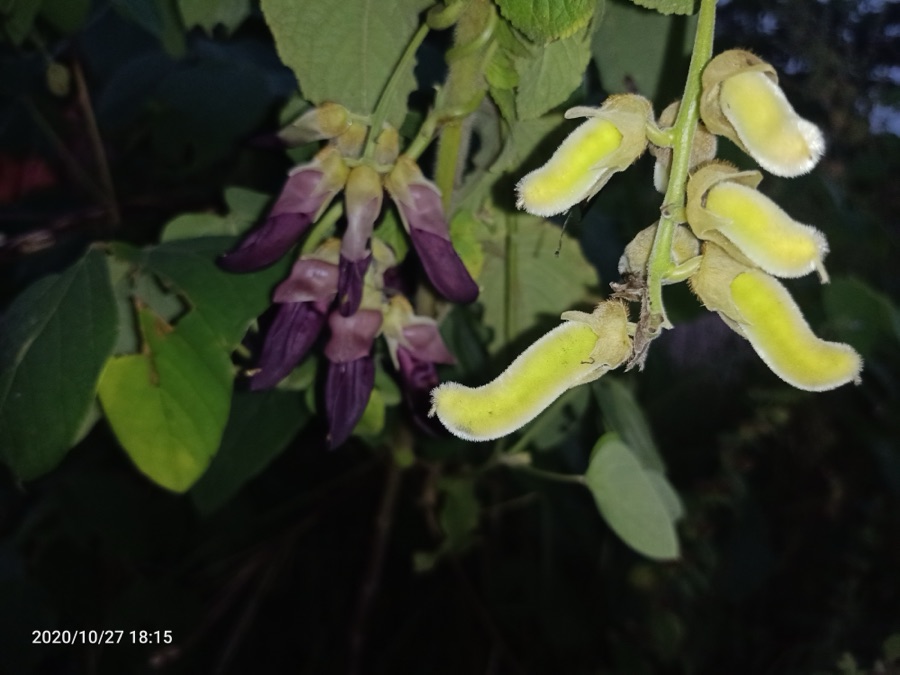
Photo: Vijayanrajapuram · CC BY-SA 4.0 · Wikimedia Commons

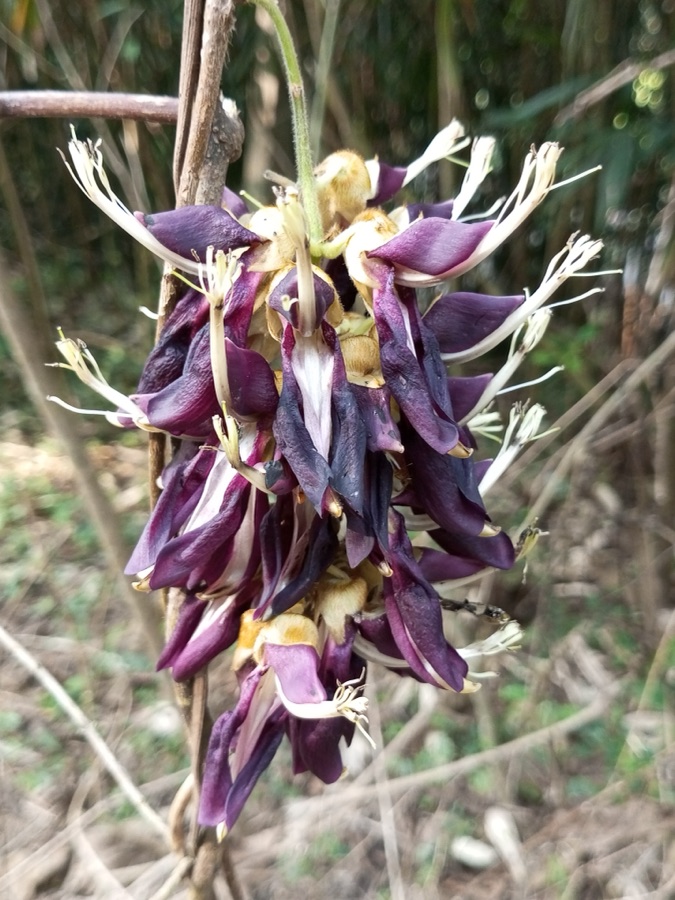
Photo: Nativeplants garden · CC BY-SA 4.0 · Wikimedia Commons

Matra and anupana
AS THE CLASSICAL TEXTS AND THE API PRESCRIBE
| Beeja churna | 3–6 g |
| Anupana | Dugdha · Ghrita · Sharkara |
| Kala | Pragbhakta |
The seed is a natural L-DOPA source. The pod hairs are a severe irritant and must be removed — that is the shodhana.
Reported from Sharangadhara Samhita and the Ayurvedic Pharmacopoeia of India. Laisha states what the texts prescribe; it does not recommend. No quantity here is adjusted for a particular person — not for agni, koshtha, bala, age, pregnancy, kidney or liver function, or anything already being taken.
Pharmacopoeial standard
Ayurvedic Pharmacopoeia of India, Part I
| Marker | L-DOPA |
| Assay | |
| Total ash | |
| Acid-insoluble ash | |
| Alcohol-soluble extractive | |
| Water-soluble extractive | |
| Foreign matter |
Mucuna pruriens seed. L-DOPA content varies severalfold with variety and is the single most important figure for this dravya.
These are the marker and the identity test for this dravya, and they are not a test Laisha has run on anything. Laisha does not state the numeric limits here: the assay, ash and extractive figures must be read from the current edition of the Ayurvedic Pharmacopoeia of India, because a wrong limit printed here is a number a laboratory would act on. The entries in this library that DO carry figures carry them because each one was checked.
Rasapanchaka
| Rasa | MadhuraTikta |
| Guna | GuruSnigdha |
| Virya | Ushna |
| Vipaka | Madhura |
| Prabhava | The texts single out kapikacchu as vrishya and as vatahara, and it is the dravya named most often where the nervous system and vata are both involved. |
| Doshakarma | Vatahara. Being guru and snigdha it can increase kapha. |
Madhura and tikta with ushna virya and madhura vipaka.
Karma and part used
These are the actions the classical texts record. They are statements about what the tradition holds, and this library does not restate them as findings about a human body.
| Upayukta anga | Beeja (the seed) Mula (the root) |
| Why it matters | The seed is the dravya. The hairs on the pod are intensely irritant and are not a medicine — they are the reason the plant has its name and its reputation, and handling the pod without care causes severe itching. |
Paryaya
Atmagupta and Swayamgupta both mean self-protected: the plant defends itself with the stinging hairs on its pods. Kandura means itching. The paryaya are a warning about handling, which is unusual and useful.
Names, by language
| English | Velvet bean |
| Sinhala | Wanduru me |
| Nepali | Kauso |
| Hindi | Kaunch |
| Kannada | Nasugunni |
| Tamil | Poonaikali |
| Telugu | Duradagondi |
| Malayalam | Naikurana |
| Marathi | Khaj kuhili |
| Gujarati | Kavach |
| Bengali | Alkushi |
| Punjabi | Kawanch |
| Odia | Baidanka |
| Urdu | Konch |
Classical references
Rasa, guna, virya, vipaka and karma are recorded as the classical texts give them, with the text and section named so a student can open the book and check. Where an exact chapter and verse could not be confirmed, this library names the section rather than inventing a number.
Formulations it appears in
| Vanari Gutika | Kapikacchu is the principal dravya. |
| Kapikacchu Churna | Named for the dravya. |
| Ashwagandhadi Lehyam | Among the dravya of the formulation. |
Adulterants and substitutes
Mucuna utilis and other Mucuna species are grown as fodder and green manure and their seed is substituted; it differs in L-DOPA content, which for this dravya is the whole of its activity. Seed that has been stored badly loses L-DOPA, so old stock is weaker in a way nobody can see.
Identity
Matched live against the GBIF backbone on 28 September 2026 at 99 per cent confidence. The seed of this plant is a natural source of L-DOPA, the same compound used as a prescription medicine for Parkinson's disease, which makes it one of the most pharmacologically active dravya in this library.
A WAY TO REMEMBER IT
Mucuna is from a Brazilian Tupi name. Pruriens means itching — from prurio, to itch, the same root as prurient. The pod hairs earn it. Kapi-kacchu: monkey-itch.
What the tradition holds
Kapikacchu is named in the Charaka Samhita among the vajikarana dravya and is described in the Bhavaprakasha Nighantu. That is what the tradition holds and where it is written down, not a finding about what the seed does in a body.
Constituents. The seed carries L-DOPA, typically several per cent by weight. L-DOPA is the precursor of dopamine and is a prescription medicine in its own right.
What the evidence says
| Status | Traditional use is extensive and long recorded. Modern clinical evidence is limited. |
| Suggested | A constituent of this seed is a prescription medicine for Parkinson's disease, and studies of the seed in that condition exist. That is not a reason to treat the herb as proven and safe for self-use — it is a reason to treat it as belonging with a doctor, because a plant carrying a drug in variable amount needs supervision more than a plant that does not. |
| Not established | There is not enough good clinical evidence to establish an effect on any named health condition. Long traditional use is not a substitute for that evidence, and this library does not present it as one. |
| The honest gap | L-DOPA content varies with variety, season and storage, so the strength of a given batch is not knowable without assay. |
Safety
This is a traditional strengthening herb that contains a real drug. L-DOPA raises dopamine, and taking it alongside prescribed Parkinson's medicine can push the dose too high, causing involuntary movements, confusion and dangerous swings in blood pressure. Anyone on levodopa, on an MAO inhibitor, or on medicines for mood must not take this without their doctor knowing. The pod hairs cause severe skin irritation on contact and must never be handled bare-handed. Anyone on medication, pregnant, or managing a diagnosed condition should speak to a doctor or a qualified practitioner first.
| Side effects | Nausea and vomiting Bloating Headache Insomnia Involuntary movements at high intake |
| Contraindications | Pregnancy and breastfeeding. Anyone taking levodopa or other Parkinson's medicine, except under a doctor's direction. Anyone taking an MAO inhibitor. Psychotic illness. Melanoma, for which levodopa carries a caution. |
| Interactions | Levodopa and carbidopa — kapikacchu seed IS a natural source of L-DOPA, so this is additive by definition, not by interaction. Dyskinesia and nausea can appear at a levodopa dose that was previously tolerated. The prescribing neurologist must know. MAO inhibitors — risk of hypertensive crisis with a dopamine precursor. Antipsychotics, which are dopamine antagonists — the two oppose each other directly. Antihypertensives and antidiabetics — additive lowering reported. |
| Pregnancy and breastfeeding | Not to be used in pregnancy or breastfeeding. |
Growing it
| Climate | Tropical and subtropical; a vigorous annual climber. |
| Soil | Wide range; a legume, so it fixes its own nitrogen. Often grown as green manure. |
| Planting | Grown from seed and trained on a support. |
| Harvest | Pods are collected when ripe and handled with covering, because of the hairs. Seed is separated and dried. |
| What is not stated | This library has not verified region-specific spacing, variety and yield figures against a named agricultural authority for every growing country, and does not state them rather than guessing. |
Check this page
Print it and the code still works. It goes to this page and nowhere else.
What this is not
- This is a study and clinical reference for practitioners and students. The matra and anupana it records are what the classical texts and the Ayurvedic Pharmacopoeia of India PRESCRIBE — Laisha reports them, it does not recommend them. They are not a prescription for any particular person, and they are not adjusted for your age, agni, koshtha, bala, pregnancy, kidney or liver function, or anything else you are already taking. Only a qualified practitioner who has examined you can do that.
- Traditional classification is recorded as what the classical texts say, with the text and the place in it named so it can be checked. It is not restated as a finding about a human body.
- Nothing here replaces a qualified Ayurvedic practitioner or a doctor.
Sources
https://api.gbif.org/v1/species/match?name=Mucuna%20pruriens
https://pcimh.gov.in/
https://www.canada.ca/en/health-canada/services/drugs-health-products/natural-non-prescription/applications-submissions/product-licensing/compendium-monographs.html
https://niimh.nic.in/ebooks/esharangadhara/
https://pcimh.gov.in/