Karpura
कर्पूर
Cinnamomum camphora (L.) J.Presl
Lauraceae · Cinnamomum
Benefits & side effects
TRADITIONAL VIEW, WITH SAFETY LIMITS
Hindi name: Kapur
What the texts say Karpura does
- Dahaprashamana — relieves burning
- Vedanasthapana — relieves pain
- Krimighna — anthelmintic (against worms)
- Mukhashodhana — cleans the mouth
- Vishaghna — antidote (against poison)
- Hridya — good for the heart
What the evidence says. Traditional use is extensive and long recorded. Modern clinical evidence is limited.
Side effects and limits
- Burning sensation
- Skin irritation
- Nausea
Avoid or ask first: Children — including keeping camphor tablets within reach.; Pregnancy and breastfeeding.; Application to broken skin.; and more below.
A traditional classification, not a recommendation. The full safety record is below.
Photographs
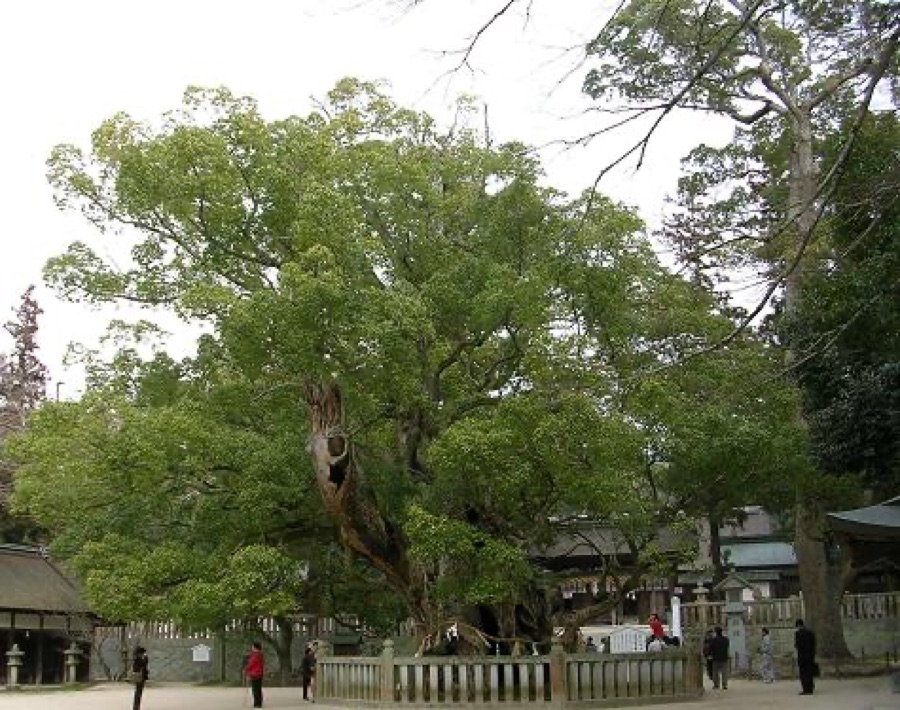
Photo: Unknown · CC BY-SA 3.0 · Wikimedia Commons

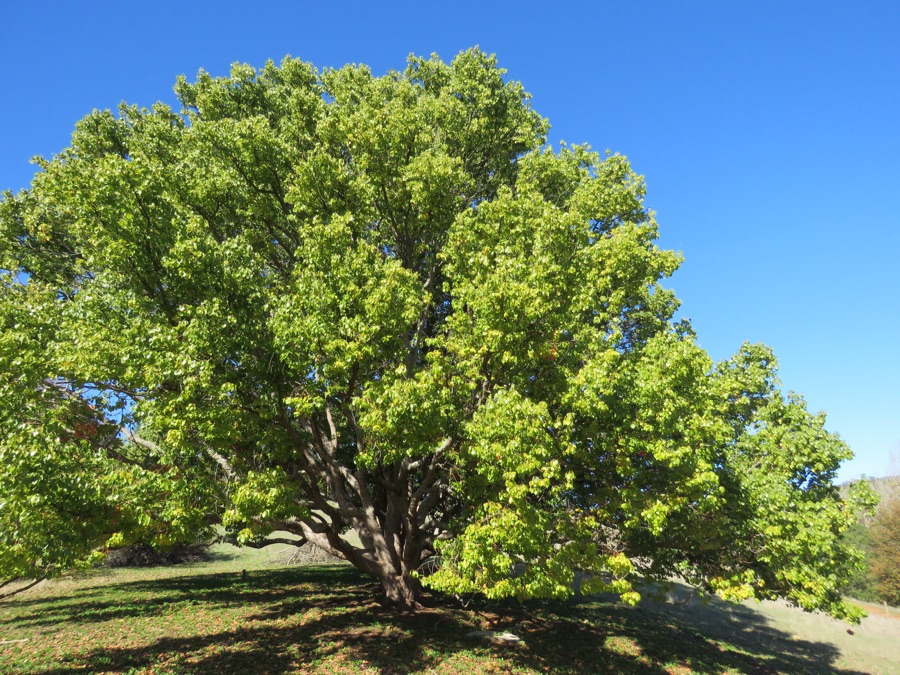
Photo: Calistemon · CC BY-SA 4.0 · Wikimedia Commons

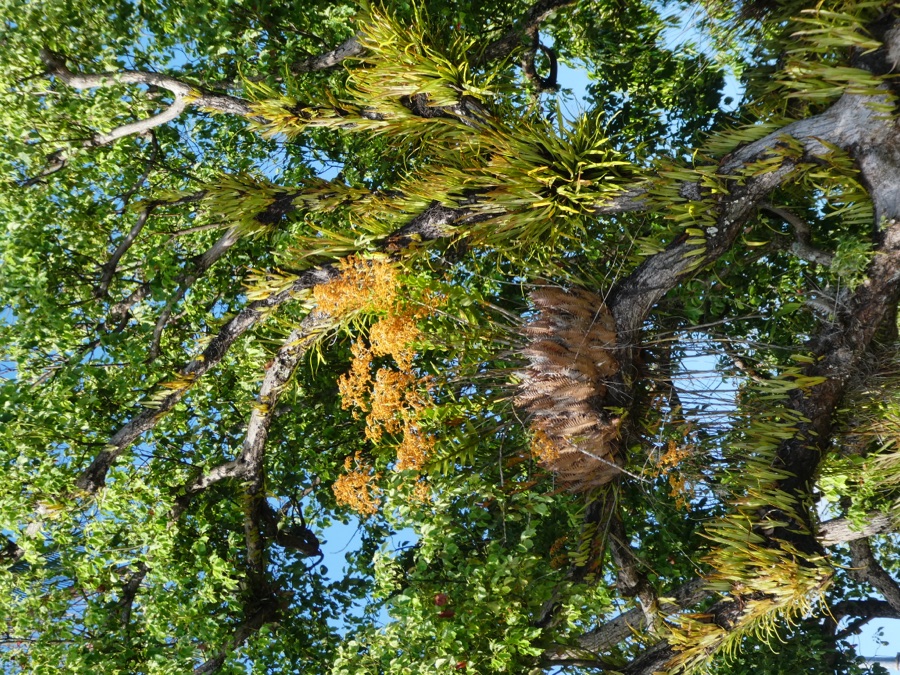
Photo: Steve Fitzgerald · CC BY-SA 4.0 · Wikimedia Commons

Matra and anupana
AS THE CLASSICAL TEXTS AND THE API PRESCRIBE
| Shuddha karpura | 125–250 mg |
| Anupana | Madhu · Ghrita |
| Kala | Adhobhakta |
Neurotoxic — small ingested quantities have caused seizures in children. Never apply to an infant's nostrils.
Reported from Sharangadhara Samhita and the Ayurvedic Pharmacopoeia of India. Laisha states what the texts prescribe; it does not recommend. No quantity here is adjusted for a particular person — not for agni, koshtha, bala, age, pregnancy, kidney or liver function, or anything already being taken.
Rasapanchaka
| Rasa | TiktaKatuMadhura |
| Guna | LaghuRukshaTikshna |
| Virya | Sheeta |
| Vipaka | Katu |
| Prabhava | The texts treat karpura as the chief dahaprashamana dravya and its cooling as prabhava, and use it in tiny quantity where a large quantity of anything else would be needed. |
| Doshakarma | Tridoshahara. |
Tikta, katu and madhura with sheeta virya and katu vipaka. The sheeta virya is the whole point of the dravya.
Karma and part used
These are the actions the classical texts record. They are statements about what the tradition holds, and this library does not restate them as findings about a human body.
| Upayukta anga | Karpura (the crystalline substance) |
| Why it matters | Natural camphor is distilled from the wood and leaves of the tree. Synthetic camphor is made industrially from pinene and is a different article, though chemically similar. |
Paryaya
Chandra, Hima and Sitabhra all mean moon, snow and frost — the paryaya describe the white crystalline appearance and the cooling sensation, which is its defining quality.
Names, by language
| English | Camphor |
| Sinhala | Kapuru |
| Nepali | Kapur |
| Hindi | Kapur |
| Kannada | Karpoora |
| Tamil | Karpooram |
| Telugu | Karpuram |
| Malayalam | Karpooram |
| Marathi | Kapur |
| Gujarati | Kapur |
| Bengali | Karpur |
| Punjabi | Kapur |
| Odia | Karpura |
| Urdu | Kafoor |
Classical references
Rasa, guna, virya, vipaka and karma are recorded as the classical texts give them, with the text and section named so a student can open the book and check. Where an exact chapter and verse could not be confirmed, this library names the section rather than inventing a number.
Formulations it appears in
| Karpuradi Churna | Named for the dravya. |
| Khadiradi Vati | Among the dravya of the formulation. |
| Amritadhara | Karpura is one of three ingredients. |
Adulterants and substitutes
This is the reverse of most entries: the adulterant is the norm. The white tablets sold in every Indian shop as kapur, burnt in worship, are synthetic camphor made from turpentine, and they are not the natural dravya the texts describe. Some are not camphor at all but naphthalene, which is a different and more toxic substance. Anyone using camphor medicinally needs to know which of the three they have, and the packet usually does not say.
Identity
Matched live against the GBIF backbone on 28 September 2026 at 99 per cent confidence. The dravya is not the wood but the crystalline substance distilled from it. The same genus as cinnamon and tejpatra. Almost all camphor sold in India today is synthetic, made from turpentine, and that is the single most important practical fact in this entry.
A WAY TO REMEMBER IT
Cinnamomum from the Greek kinnamomon. Camphora is from the Sanskrit karpura itself, through Arabic kafur. The species name IS the Sanskrit name.
What the tradition holds
Karpura heads its own varga in the Bhavaprakasha Nighantu. That is what the tradition holds and where it is written down, not a finding about what the substance does in a body.
Constituents. Natural camphor is largely d-camphor, a bicyclic ketone. Synthetic camphor is a racemic mixture of the same compound.
What the evidence says
| Status | Traditional use is extensive and long recorded. Modern clinical evidence is limited. |
| Suggested | No claim of established clinical effect is made here. What is documented in the modern literature is largely about poisoning, particularly in children. |
| Not established | There is not enough good clinical evidence to establish an effect on any named health condition. Long traditional use is not a substitute for that evidence, and this library does not present it as one. |
| The honest gap | Studies rarely state whether natural or synthetic camphor was used. |
Safety
Camphor poisons children and it happens in India every year. A small quantity swallowed — of the order of a gram or two in a young child — causes seizures, and deaths are recorded; camphor tablets left within reach are the usual route, because they look like sweets. Applied to skin it is absorbed, and applying it to the nostrils of a baby has caused collapse. There is no antidote. Camphor is also readily absorbed through broken skin. It is used in Ayurveda in very small quantities, and the gap between a therapeutic amount and a toxic one is smaller than for almost anything else in this library. Suspected camphor poisoning is a hospital emergency. Anyone on medication, pregnant, or managing a diagnosed condition should speak to a doctor or a qualified practitioner first.
| Side effects | Burning sensation Skin irritation Nausea |
| Contraindications | Children — including keeping camphor tablets within reach. Pregnancy and breastfeeding. Application to broken skin. Application near the nose or mouth of an infant. Epilepsy. |
| Interactions | Camphor is neurotoxic and has caused seizures in children from small ingested quantities and from nasal application. Never apply to the nostrils of an infant. This is a contraindication, not an interaction, and it is the most important line in the entry. |
| Pregnancy and breastfeeding | Not to be used in pregnancy or breastfeeding. |
Growing it
| Climate | Subtropical evergreen forest; grown in parts of south India and the north-east. |
| Soil | Deep, moist, well-drained ground. |
| Planting | A large tree, raised from seed. Many years before it is worth distilling. |
| Harvest | Wood and leaves are chipped and steam-distilled, and the camphor crystallises from the distillate. |
| What is not stated | This library has not verified region-specific spacing, variety and yield figures against a named agricultural authority for every growing country, and does not state them rather than guessing. |
Check this page
Print it and the code still works. It goes to this page and nowhere else.
What this is not
- This is a study and clinical reference for practitioners and students. The matra and anupana it records are what the classical texts and the Ayurvedic Pharmacopoeia of India PRESCRIBE — Laisha reports them, it does not recommend them. They are not a prescription for any particular person, and they are not adjusted for your age, agni, koshtha, bala, pregnancy, kidney or liver function, or anything else you are already taking. Only a qualified practitioner who has examined you can do that.
- Traditional classification is recorded as what the classical texts say, with the text and the place in it named so it can be checked. It is not restated as a finding about a human body.
- Nothing here replaces a qualified Ayurvedic practitioner or a doctor.
Sources
https://api.gbif.org/v1/species/match?name=Cinnamomum%20camphora
https://pcimh.gov.in/
https://www.canada.ca/en/health-canada/services/drugs-health-products/natural-non-prescription/applications-submissions/product-licensing/compendium-monographs.html
https://niimh.nic.in/ebooks/esharangadhara/