Musali
मुसली
Chlorophytum borivilianum Santapau & R.R.Fern.
Asparagaceae · Chlorophytum
Benefits & side effects
TRADITIONAL VIEW, WITH SAFETY LIMITS
Hindi name: Safed musli
What the texts say Musali does
- Vrishya — aphrodisiac, supports reproductive vigour
- Balya — strengthening
- Brimhana — nourishing, builds tissue
- Rasayana — rejuvenative
- Stanyajanana — promotes breast milk
What the evidence says. Traditional use is extensive and long recorded. Modern clinical evidence is limited.
Side effects and limits
- Digestive heaviness
- Loose stool in quantity
Avoid or ask first: Conditions aggravated by kapha, in prolonged use.
A traditional classification, not a recommendation. The full safety record is below.
Photographs
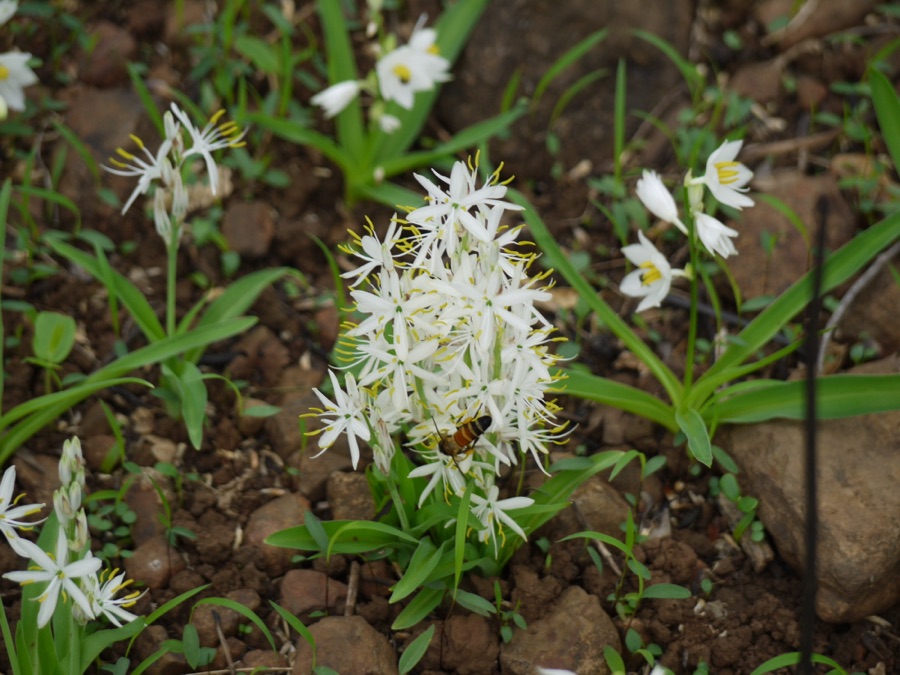
Photo: Dinesh Valke from Thane, India · CC BY-SA 2.0 · Wikimedia Commons

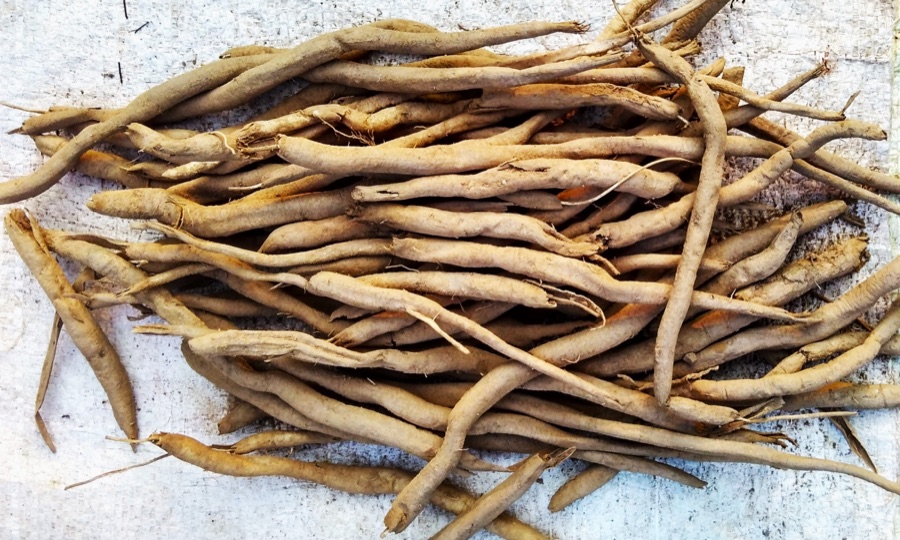
Photo: Salil Kumar Mukherjee · CC BY-SA 4.0 · Wikimedia Commons

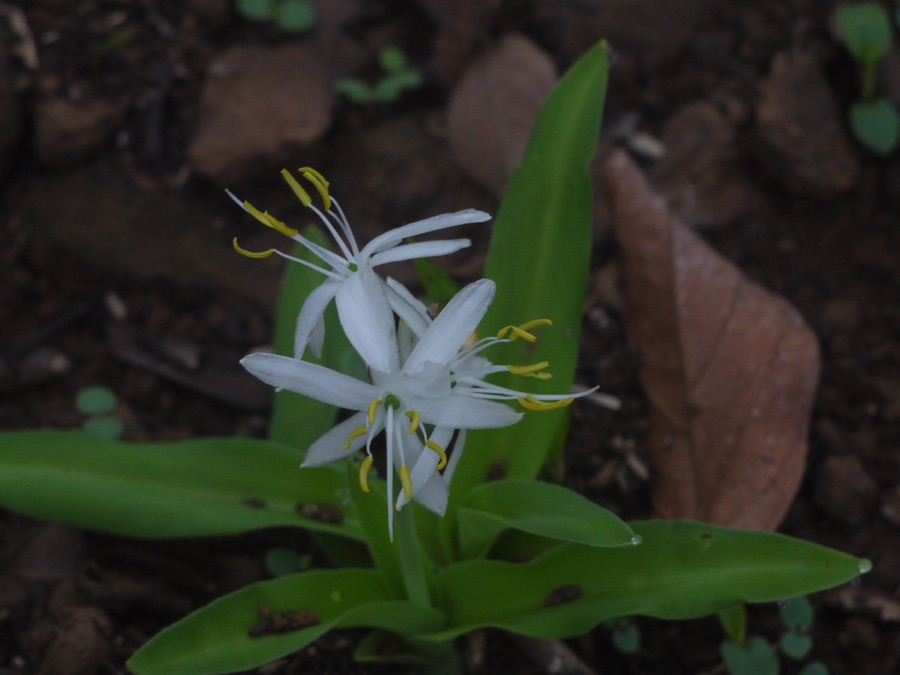
Photo: Dinesh Valke from Thane, India · CC BY-SA 2.0 · Wikimedia Commons

Matra and anupana
AS THE CLASSICAL TEXTS AND THE API PRESCRIBE
| Churna | 3–6 g |
| Anupana | Dugdha · Sharkara · Ghrita |
| Kala | Pragbhakta |
Safed Musali. Talamuli (Curculigo orchioides) is a different drug.
Reported from Sharangadhara Samhita and the Ayurvedic Pharmacopoeia of India. Laisha states what the texts prescribe; it does not recommend. No quantity here is adjusted for a particular person — not for agni, koshtha, bala, age, pregnancy, kidney or liver function, or anything already being taken.
Rasapanchaka
| Rasa | Madhura |
| Guna | GuruSnigdhaPicchila |
| Virya | Sheeta |
| Vipaka | Madhura |
| Prabhava | The texts treat musali as vrishya and balya, and it is grouped with shatavari and vidari where the body is to be built. |
| Doshakarma | Vatapittahara. Being guru and snigdha it increases kapha. |
A single rasa, madhura, with sheeta virya and madhura vipaka.
Karma and part used
These are the actions the classical texts record. They are statements about what the tradition holds, and this library does not restate them as findings about a human body.
| Upayukta anga | Kanda mula (the tuberous root) |
| Why it matters | The bundle of fleshy white roots is the dravya. They are peeled before drying, and unpeeled root is a cheaper and weaker article. |
Paryaya
Shweta musali, white musali, distinguishes it from Krishna musali, the black one, which is Curculigo orchioides and a different family. Vrishyakanda names the use. Talamuli is NOT a synonym for Safed Musali: it is Curculigo orchioides, Krishna Musali, a different plant in a different family that is traded under a confusingly similar name.
Names, by language
| English | White musli |
| Sinhala | Musali |
| Nepali | Kuru kuru |
| Hindi | Safed musli |
| Kannada | Nela tale gadde |
| Tamil | Tannir vittan kizhangu |
| Telugu | Swetha musli |
| Malayalam | Shedheveli |
| Marathi | Safed musali |
| Gujarati | Dholi musali |
| Bengali | Safed musli |
| Punjabi | Safed musli |
| Odia | Safed musli |
| Urdu | Musli safaid |
Classical references
Rasa, guna, virya, vipaka and karma are recorded as the classical texts give them, with the text and section named so a student can open the book and check. Where an exact chapter and verse could not be confirmed, this library names the section rather than inventing a number.
Formulations it appears in
| Musali Pak | Named for the dravya. |
| Musalyadi Churna | Named for the dravya. |
| Vanari Gutika | Musali appears in some recensions. |
Adulterants and substitutes
Chlorophytum tuberosum, Chlorophytum arundinaceum and Asparagus species are all sold as safed musli, and Curculigo orchioides — the black musali, a different family — is substituted where the name is used loosely. Unpeeled root is sold as peeled, which is a weight fraud rather than a species one. Because the crop is profitable, adulteration is commercially driven rather than accidental.
Identity
Matched live against the GBIF backbone on 28 September 2026 at 99 per cent confidence. Several Chlorophytum species are traded under the name. Assessed as threatened in the wild and now largely a cultivated crop, which is the rare good news in this library.
A WAY TO REMEMBER IT
Chlorophytum is chloros (green) + phyton (plant). Borivilianum is for Borivali, near Mumbai, where it was described. A rare case of a Sanskrit drug named after a suburb.
What the tradition holds
Musali is described in the Bhavaprakasha Nighantu, where the white and black kinds are distinguished. That is what the tradition holds and where it is written down, not a finding about what the root does in a body.
Constituents. The root carries steroidal saponins, which are what commercial material is assessed on, along with a high proportion of mucilage.
What the evidence says
| Status | Traditional use is extensive and long recorded. Modern clinical evidence is limited. |
| Suggested | Health Canada publishes monographs covering Ayurvedic ingredients and permits specific traditional-use claims, which reflects a regulator accepting a documented tradition rather than a body of clinical trial evidence. |
| Not established | There is not enough good clinical evidence to establish an effect on any named health condition. Long traditional use is not a substitute for that evidence, and this library does not present it as one. |
| The honest gap | Published work rarely names the Chlorophytum species used, and they differ. |
Safety
No serious harm is documented for this dravya at traditional use, which is a statement about the absence of records and not a guarantee. It is guru and picchila, so it is heavy on a weak digestion and increases kapha. It is sold widely as a performance and fertility supplement, which is a use the classical literature does not describe at the doses those products use. Anyone on medication, pregnant, or managing a diagnosed condition should speak to a doctor or a qualified practitioner first.
| Side effects | Digestive heaviness Loose stool in quantity |
| Contraindications | Conditions aggravated by kapha, in prolonged use. |
| Interactions | Antidiabetic medicines — hypoglycaemic effect reported for Chlorophytum. Confirm the species: Talamuli is Curculigo orchioides, a different drug sold under a similar name. |
| Pregnancy and breastfeeding | There is not enough evidence to establish safety in pregnancy or breastfeeding, and a qualified practitioner should be asked first. |
Growing it
| Climate | Tropical; grown chiefly in Madhya Pradesh, Gujarat and Rajasthan. |
| Soil | Well-drained sandy loam with good organic matter. |
| Planting | Grown from root crowns planted at the start of the monsoon. |
| Harvest | Roots lifted after the leaves die back, peeled while fresh and dried in shade. |
| What is not stated | Assessed as threatened in the wild, but now largely cultivated — one of the few dravya in this library where the conservation position is improving rather than worsening, because farming it turned out to pay. |
Check this page
Print it and the code still works. It goes to this page and nowhere else.
What this is not
- This is a study and clinical reference for practitioners and students. The matra and anupana it records are what the classical texts and the Ayurvedic Pharmacopoeia of India PRESCRIBE — Laisha reports them, it does not recommend them. They are not a prescription for any particular person, and they are not adjusted for your age, agni, koshtha, bala, pregnancy, kidney or liver function, or anything else you are already taking. Only a qualified practitioner who has examined you can do that.
- Traditional classification is recorded as what the classical texts say, with the text and the place in it named so it can be checked. It is not restated as a finding about a human body.
- Nothing here replaces a qualified Ayurvedic practitioner or a doctor.
Sources
https://api.gbif.org/v1/species/match?name=Chlorophytum%20borivilianum%20Santapau%20%26%20R.R.Fern.
https://pcimh.gov.in/
https://www.canada.ca/en/health-canada/services/drugs-health-products/natural-non-prescription/applications-submissions/product-licensing/compendium-monographs.html
https://niimh.nic.in/ebooks/esharangadhara/