Musta
मुस्ता
Cyperus rotundus L.
Cyperaceae · Cyperus
Benefits & side effects
TRADITIONAL VIEW, WITH SAFETY LIMITS
Hindi name: Nagarmotha
What the texts say Musta does
- Grahi — digestive that absorbs excess fluid and binds the stool
- Deepana — kindles digestion (appetiser)
- Pachana — digests ama (digestive)
- Jwaraghna — used in fever
- Stanyashodhana — purifying breast milk
- Medohara — reduces fat
What the evidence says. Traditional use is extensive and long recorded. Modern clinical evidence is limited.
Side effects and limits
- Digestive dryness
- Constipation in those of vata constitution
Avoid or ask first: No absolute contraindication is documented here. This is written deliberately rather than left blank.
A traditional classification, not a recommendation. The full safety record is below.
Stands in 9 groups
- Lekhaniya — Scraping and reducing
- Trishnanigrahana — Quenching thirst
- Jwarahara — Relieving fever
- Trptighna — Relieving cloying satiety
- Kandughna — Relieving itching
- Stanyashodhana — Purifying breast milk
- Vachadi — Ama, and the cleansing of breast milk
- Mustadi — Cleansing breast milk, Kapha, and the vagina
- Trimada — The three that reduce
A Samhita can only be read forwards, from the group to its members. This is the same list read backwards.
Photographs
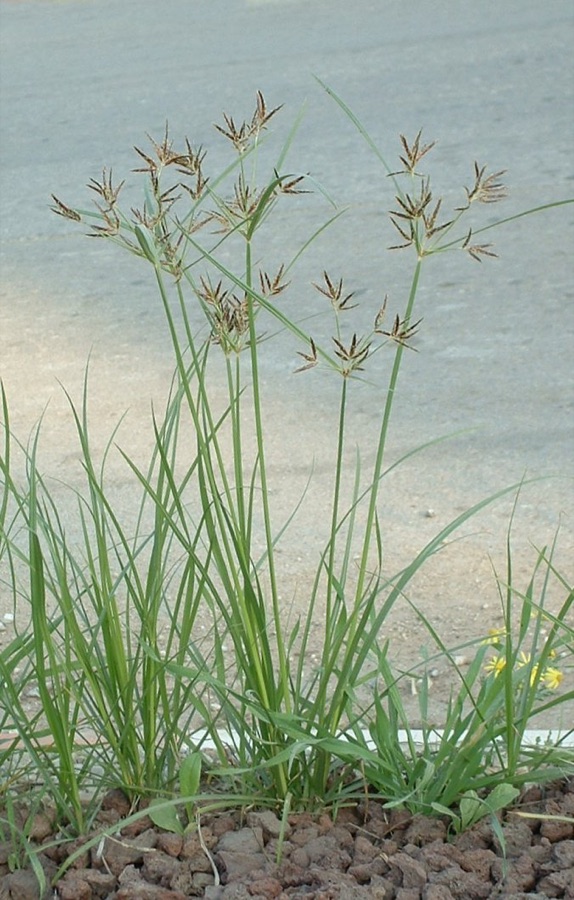
Photo: No machine-readable author provided. Rickjpelleg assumed (based on copyright claims). · CC BY 2.5 · Wikimedia Commons

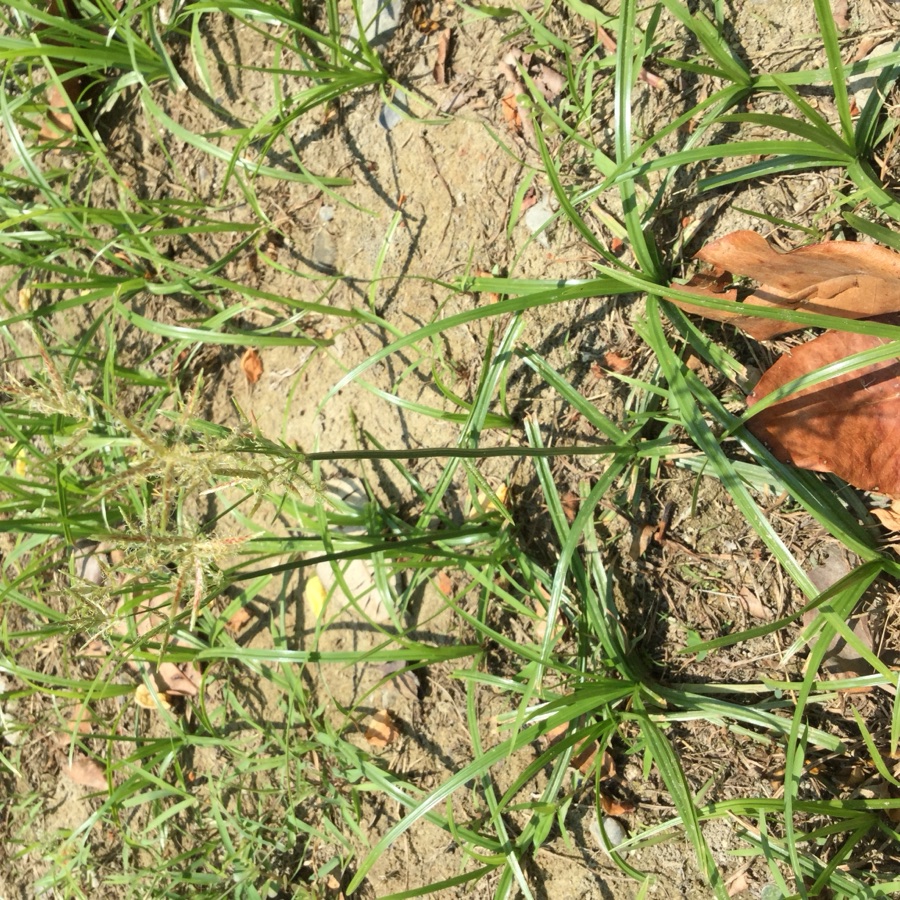
Photo: KevinTony · CC BY-SA 4.0 · Wikimedia Commons

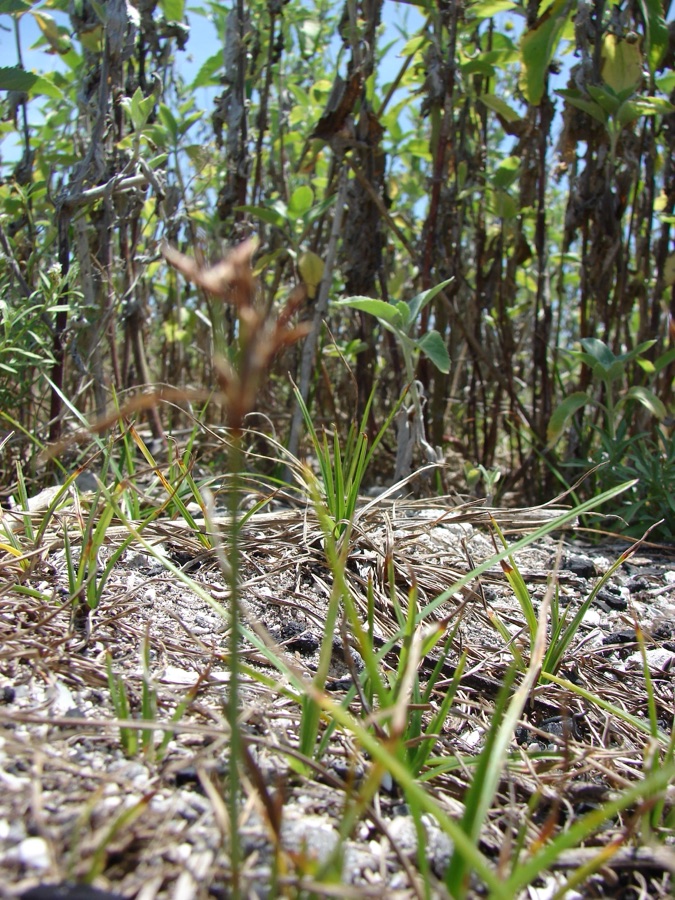
Photo: Forest & Kim Starr · CC BY 3.0 · Wikimedia Commons

Matra and anupana
AS THE CLASSICAL TEXTS AND THE API PRESCRIBE
| Churna | 3–6 g |
| Kwatha | 50–100 ml |
| Anupana | Ushnodaka · Madhu |
| Kala | Adhobhakta |
The standard grahi-deepana matra; one of the six of Shadanga Paniya.
Reported from Sharangadhara Samhita and the Ayurvedic Pharmacopoeia of India. Laisha states what the texts prescribe; it does not recommend. No quantity here is adjusted for a particular person — not for agni, koshtha, bala, age, pregnancy, kidney or liver function, or anything already being taken.
Pharmacopoeial standard
Ayurvedic Pharmacopoeia of India, Part I
| Marker | The volatile oil profile |
| Assay | |
| Total ash | |
| Acid-insoluble ash | |
| Alcohol-soluble extractive | |
| Water-soluble extractive | |
| Foreign matter |
Cyperus rotundus tuber. Cyperus scariosus is traded under the same market name and is more strongly aromatic.
These are the marker and the identity test for this dravya, and they are not a test Laisha has run on anything. Laisha does not state the numeric limits here: the assay, ash and extractive figures must be read from the current edition of the Ayurvedic Pharmacopoeia of India, because a wrong limit printed here is a number a laboratory would act on. The entries in this library that DO carry figures carry them because each one was checked.
Rasapanchaka
| Rasa | TiktaKatuKashaya |
| Guna | LaghuRuksha |
| Virya | Sheeta |
| Vipaka | Katu |
| Prabhava | The texts single out musta as grahi and deepana together, which is the pairing it is best known for and the reason it heads so many digestive formulations. |
| Doshakarma | Kaphapittahara. Being laghu and ruksha it can increase vata. |
Tikta, katu and kashaya with sheeta virya and katu vipaka. The combination of katu rasa with sheeta virya is unusual and is worth noticing.
Karma and part used
These are the actions the classical texts record. They are statements about what the tradition holds, and this library does not restate them as findings about a human body.
| Upayukta anga | Kanda (the tuber) |
| Why it matters | The tuber, strung along underground runners, is the dravya. It is what makes the plant impossible to weed out and what makes it easy to collect. |
Paryaya
Bhadramusta is the paryaya used where a superior grade is meant. Varida and Ghana both carry the sense of cloud or rain, recording the wet ground it grows in.
Names, by language
| English | Nut grass |
| Sinhala | Kaladuru |
| Nepali | Mothe |
| Hindi | Nagarmotha |
| Kannada | Konnari gadde |
| Tamil | Korai kizhangu |
| Telugu | Tungamusthalu |
| Malayalam | Muthanga |
| Marathi | Nagarmotha |
| Gujarati | Nagarmoth |
| Bengali | Mutha |
| Punjabi | Motha |
| Odia | Mutha |
| Urdu | Sad kufi |
Classical references
Rasa, guna, virya, vipaka and karma are recorded as the classical texts give them, with the text and section named so a student can open the book and check. Where an exact chapter and verse could not be confirmed, this library names the section rather than inventing a number.
Formulations it appears in
| Mustakarishta | A fermented preparation named for the dravya. |
| Mustadi Churna | Named for the dravya. |
| Nagaradi Kwatha | Musta is among the principal dravya. |
Adulterants and substitutes
Cyperus scariosus is traded as Nagarmotha and is a different species, more aromatic and used in perfumery as well as medicine; the two names are used loosely in the market. The more practical problem is that the tuber is collected from cultivated fields where it is a weed, which means it may carry whatever was sprayed on the crop it was growing in.
Identity
Matched live against the GBIF backbone on 28 September 2026 at 99 per cent confidence. This is the plant agronomists call the world's worst weed, and the same tuber that ruins a field is the dravya — a student may enjoy telling a farmer that.
A WAY TO REMEMBER IT
Cyperus is the Greek kypeiros. Rotundus means round, for the tuber. It is the world's worst weed and one of Ayurveda's best digestives, which is the fact worth carrying.
What the tradition holds
Musta is described in the Bhavaprakasha Nighantu and heads the Lekhaniya group in the Charaka Samhita. That is what the tradition holds and where it is written down, not a finding about what the tuber does in a body.
Constituents. The tuber carries an essential oil with sesquiterpenes including cyperene and the cyperotundone group. Content varies with population and with season.
What the evidence says
| Status | Traditional use is extensive and long recorded. Modern clinical evidence is limited. |
| Suggested | Health Canada publishes monographs covering Ayurvedic ingredients and permits specific traditional-use claims, which reflects a regulator accepting a documented tradition rather than a body of clinical trial evidence. |
| Not established | There is not enough good clinical evidence to establish an effect on any named health condition. Long traditional use is not a substitute for that evidence, and this library does not present it as one. |
| The honest gap | Published work uses material of unrecorded origin, and a tuber collected from a sprayed field is not the same article as one from clean ground. |
Safety
Long used in food and in digestive preparations. The caution that matters is where it was collected: because it is gathered as a field weed rather than grown deliberately, it can carry pesticide residue from the crop it grew among, and clean sourcing is not a refinement here but the point. Anyone on medication, pregnant, or managing a diagnosed condition should speak to a doctor or a qualified practitioner first.
| Side effects | Digestive dryness Constipation in those of vata constitution |
| Contraindications | No absolute contraindication is documented here. This is written deliberately rather than left blank. |
| Interactions | No specific drug interaction is documented for this dravya. That is the honest state of the evidence, not a statement that none exists — most Ayurvedic dravya have never been studied for interaction. Tell the prescribing doctor it is being taken. Antidiabetic medicines — mild lowering reported for Cyperus. |
| Pregnancy and breastfeeding | There is not enough evidence to establish safety in pregnancy or breastfeeding, and a qualified practitioner should be asked first. |
Growing it
| Climate | Tropical to warm temperate; among the most widely distributed plants on earth. |
| Soil | Almost any, including waterlogged and compacted ground. |
| Planting | Not planted. It arrives, and it is close to impossible to remove once established. |
| Harvest | Tubers are dug, the roots and scales rubbed off, washed and dried. |
| What is not stated | This library has not verified region-specific spacing, variety and yield figures against a named agricultural authority for every growing country, and does not state them rather than guessing. |
Check this page
Print it and the code still works. It goes to this page and nowhere else.
What this is not
- This is a study and clinical reference for practitioners and students. The matra and anupana it records are what the classical texts and the Ayurvedic Pharmacopoeia of India PRESCRIBE — Laisha reports them, it does not recommend them. They are not a prescription for any particular person, and they are not adjusted for your age, agni, koshtha, bala, pregnancy, kidney or liver function, or anything else you are already taking. Only a qualified practitioner who has examined you can do that.
- Traditional classification is recorded as what the classical texts say, with the text and the place in it named so it can be checked. It is not restated as a finding about a human body.
- Nothing here replaces a qualified Ayurvedic practitioner or a doctor.
Sources
https://api.gbif.org/v1/species/match?name=Cyperus%20rotundus
https://pcimh.gov.in/
https://www.canada.ca/en/health-canada/services/drugs-health-products/natural-non-prescription/applications-submissions/product-licensing/compendium-monographs.html
https://niimh.nic.in/ebooks/esharangadhara/
https://pcimh.gov.in/