Nimbuka
निम्बुक
Citrus aurantiifolia (Christm.) Swingle
Rutaceae · Citrus
Benefits & side effects
TRADITIONAL VIEW, WITH SAFETY LIMITS
What the texts say Nimbuka does
- Deepana — kindles digestion (appetiser)
- Pachana — digests ama (digestive)
- Ruchya — improves taste
- Chhardinigrahana — relieves vomiting (anti-emetic)
- Krimighna — anthelmintic (against worms)
- Vatanulomana — moves vata downward, relieves wind
What the evidence says. Traditional use is extensive and long recorded. Modern clinical evidence is limited.
Side effects and limits
- Acidity and heartburn
- Tooth enamel erosion
- Increased sensitivity of skin to sunlight after handling the peel
Avoid or ask first: Acid dyspepsia and peptic ulcer, in medicinal quantity.
A traditional classification, not a recommendation. The full safety record is below.
Photographs
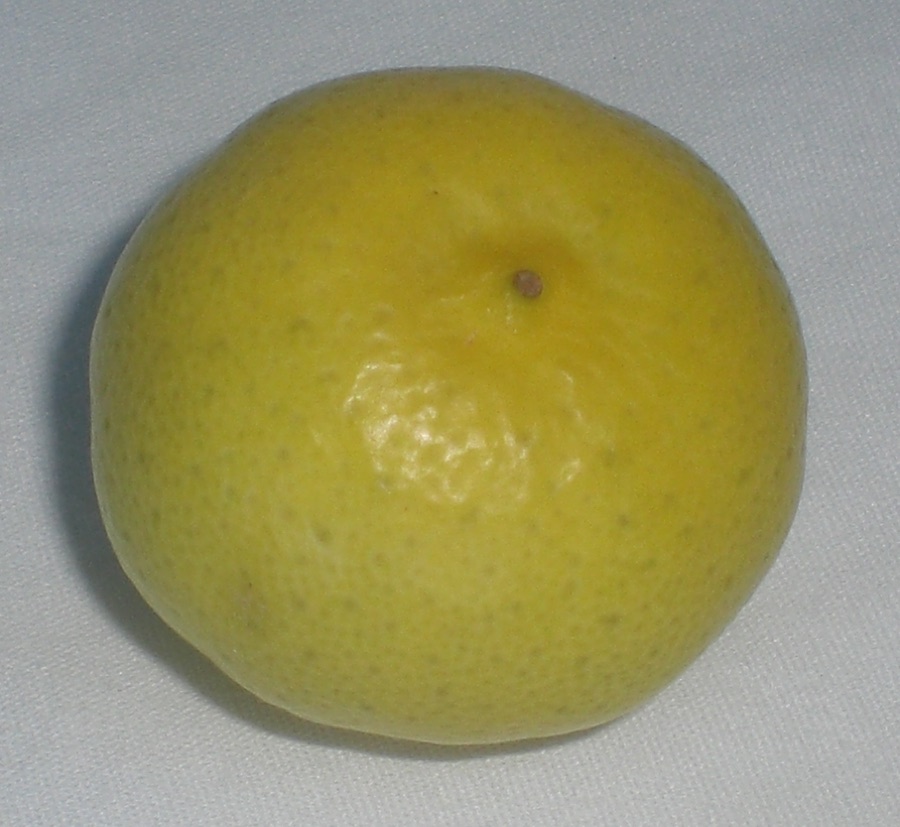
Photo: Averette at English Wikipedia · CC BY 3.0 · Wikimedia Commons

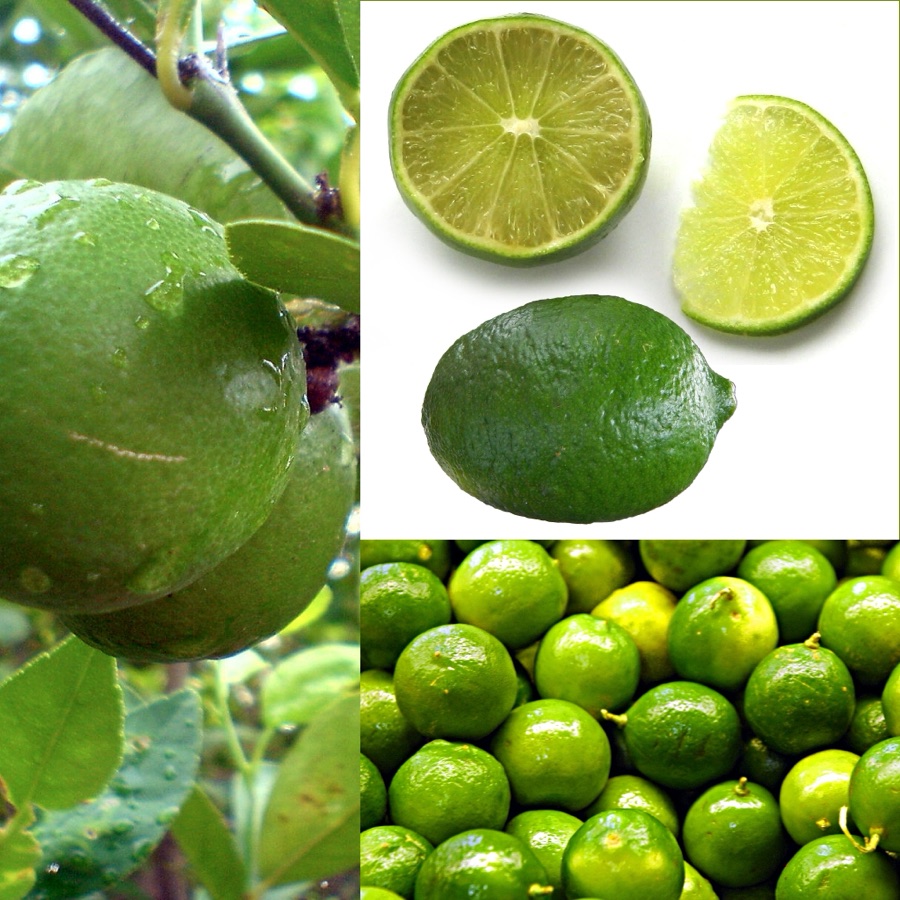
Photo: Agnieszka Kwiecień, Nova · CC BY-SA 3.0 · Wikimedia Commons

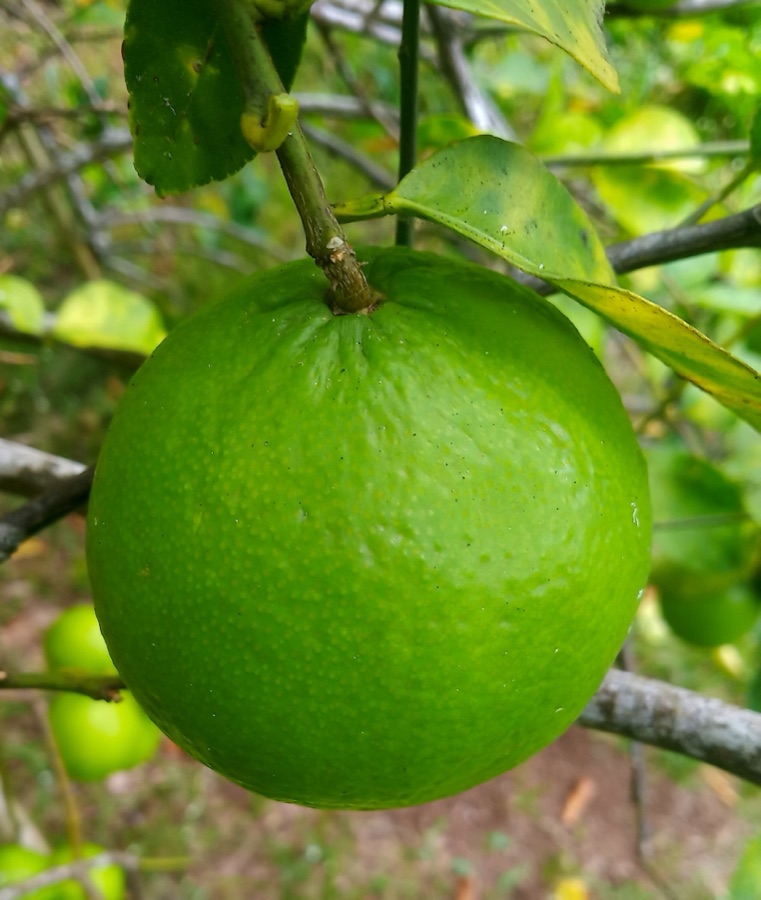
Photo: Filo gèn' · CC BY-SA 4.0 · Wikimedia Commons

Matra and anupana
AS THE CLASSICAL TEXTS AND THE API PRESCRIBE
| Swarasa | 5–10 ml |
| Anupana | Saindhava · Sharkara · Ushnodaka |
| Kala | Pragbhakta |
Chiefly a deepana and an anupana in its own right.
Reported from Sharangadhara Samhita and the Ayurvedic Pharmacopoeia of India. Laisha states what the texts prescribe; it does not recommend. No quantity here is adjusted for a particular person — not for agni, koshtha, bala, age, pregnancy, kidney or liver function, or anything already being taken.
Rasapanchaka
| Rasa | Amla |
| Guna | LaghuTikshna |
| Virya | Ushna |
| Vipaka | Amla |
| Prabhava | The texts treat nimbuka as deepana and ruchya and name it where appetite and digestion have failed. |
| Doshakarma | Kaphavatahara. Being amla and ushna it increases pitta. |
A single rasa, amla, with ushna virya and amla vipaka — the standard example of amla rasa in teaching.
Karma and part used
These are the actions the classical texts record. They are statements about what the tradition holds, and this library does not restate them as findings about a human body.
| Upayukta anga | Swarasa (the juice) Phala twak (the rind) |
| Why it matters | The juice is the dravya most used. The rind is a separate article carrying the essential oil. |
Paryaya
Dantashatha, tooth-blunting, is the paryaya a student should enjoy: the tradition named the sensation acid leaves on the teeth, which is also the modern caution about enamel.
Names, by language
| English | Lime |
| Sinhala | Dehi |
| Nepali | Kagati |
| Hindi | Nimbu |
| Kannada | Nimbe |
| Tamil | Elumichai |
| Telugu | Nimma |
| Malayalam | Cherunaranga |
| Marathi | Limbu |
| Gujarati | Limbu |
| Bengali | Lebu |
| Punjabi | Nimbu |
| Odia | Lembu |
| Urdu | Limu |
Classical references
Rasa, guna, virya, vipaka and karma are recorded as the classical texts give them, with the text and section named so a student can open the book and check. Where an exact chapter and verse could not be confirmed, this library names the section rather than inventing a number.
Formulations it appears in
| Nimbu Swarasa | The juice, used as a dravya and as a vehicle. |
| Hingvashtaka Churna | Used as a bhavana drava in preparing it, not as one of the eight dravya. The eight are Shunthi, maricha, pippali, ajamoda, saindhava lavana, shweta jiraka, krishna jiraka and hingu. |
| Bhavana with nimbu swarasa | Used to levigate many powders. |
Adulterants and substitutes
Bottled lime juice is commonly diluted and preserved, and synthetic citric acid is sold as lime concentrate. For medicinal use the tradition means fresh juice, and a preserved product is a different article.
Identity
Matched live against the GBIF backbone on 28 September 2026 at 99 per cent confidence. Distinguished in the texts from Matulunga, the citron, and from Jambira, which is generally taken to be the lemon.
A WAY TO REMEMBER IT
Citrus, the citron. Aurantiifolia means orange-leaved — the leaf looks like an orange's. This is the lime.
What the tradition holds
Nimbuka is described in the Charaka Samhita among the fruits and in the Bhavaprakasha Nighantu. That is what the tradition holds and where it is written down, not a finding about what the juice does in a body.
Constituents. The juice carries citric acid and vitamin C. The rind carries an essential oil with limonene and furocoumarins.
What the evidence says
| Status | Traditional use is extensive and long recorded. Modern clinical evidence is limited. |
| Suggested | Health Canada publishes monographs covering Ayurvedic ingredients and permits specific traditional-use claims, which reflects a regulator accepting a documented tradition rather than a body of clinical trial evidence. |
| Not established | There is not enough good clinical evidence to establish an effect on any named health condition. Long traditional use is not a substitute for that evidence, and this library does not present it as one. |
| The honest gap | Published work concerns nutrition or the essential oil rather than the tradition's uses. |
Safety
Food, with the same cautions as any citrus. The peel carries furocoumarins and handling it in sunlight causes phytophotodermatitis — streaked burns that are often mistaken for something else, and a documented seasonal injury among people who make lime pickle outdoors. The acid erodes tooth enamel and aggravates acidity and ulcers. Anyone on medication, pregnant, or managing a diagnosed condition should speak to a doctor or a qualified practitioner first.
| Side effects | Acidity and heartburn Tooth enamel erosion Increased sensitivity of skin to sunlight after handling the peel |
| Contraindications | Acid dyspepsia and peptic ulcer, in medicinal quantity. |
| Interactions | Citrus furanocoumarins inhibit intestinal CYP3A4, so the level of some co-administered drugs can rise. Lime is weaker than grapefruit but the mechanism is the same. |
| Pregnancy and breastfeeding | Ordinary culinary use is long established. Medicinal quantities in pregnancy or breastfeeding should be discussed with a qualified practitioner first. |
Growing it
| Climate | Tropical and subtropical, frost-sensitive. |
| Soil | Well-drained ground. |
| Planting | A small thorny tree, grown from cuttings or grafted. |
| Harvest | Fruit picked when full-sized and still green, or allowed to yellow. |
| What is not stated | This library has not verified region-specific spacing, variety and yield figures against a named agricultural authority for every growing country, and does not state them rather than guessing. |
Check this page
Print it and the code still works. It goes to this page and nowhere else.
What this is not
- This is a study and clinical reference for practitioners and students. The matra and anupana it records are what the classical texts and the Ayurvedic Pharmacopoeia of India PRESCRIBE — Laisha reports them, it does not recommend them. They are not a prescription for any particular person, and they are not adjusted for your age, agni, koshtha, bala, pregnancy, kidney or liver function, or anything else you are already taking. Only a qualified practitioner who has examined you can do that.
- Traditional classification is recorded as what the classical texts say, with the text and the place in it named so it can be checked. It is not restated as a finding about a human body.
- Nothing here replaces a qualified Ayurvedic practitioner or a doctor.
Sources
https://api.gbif.org/v1/species/match?name=Citrus%20aurantiifolia
https://pcimh.gov.in/
https://www.canada.ca/en/health-canada/services/drugs-health-products/natural-non-prescription/applications-submissions/product-licensing/compendium-monographs.html
https://niimh.nic.in/ebooks/esharangadhara/