Punarnava
पुनर्नवा
Boerhavia diffusa L.
Nyctaginaceae · Boerhavia
Benefits & side effects
TRADITIONAL VIEW, WITH SAFETY LIMITS
What the texts say Punarnava does
- Shothahara — reduces swelling
- Mutrala — diuretic
- Rasayana — rejuvenative
- Deepana — kindles digestion (appetiser)
- Hridya — good for the heart
- Raktavardhaka — increases blood (haematinic)
What the evidence says. Traditional use is extensive and long recorded. Modern clinical evidence is limited.
Side effects and limits
- Digestive upset
- Increased urine output, which is an expected action rather than only a side effect
Avoid or ask first: No absolute contraindication is documented here. This is written deliberately rather than left blank.
A traditional classification, not a recommendation. The full safety record is below.
Stands in 7 groups
- Mutravirechaniya — Promoting urine (named there as Vrishcheera)
- Kasahara — Relieving cough (named there as Vrishcheera)
- Swedopaga — Adjuvant to sudation (named there as Vrishcheera)
- Anuvasanopaga — Adjuvant to anuvasana basti (named there as Vrishcheera)
- Vayasthapana — Sustaining youth
- Shukrasthapana — Sustaining semen
- Vidarigandhadi — Vata disorders and the wasting states
A Samhita can only be read forwards, from the group to its members. This is the same list read backwards.
Photographs
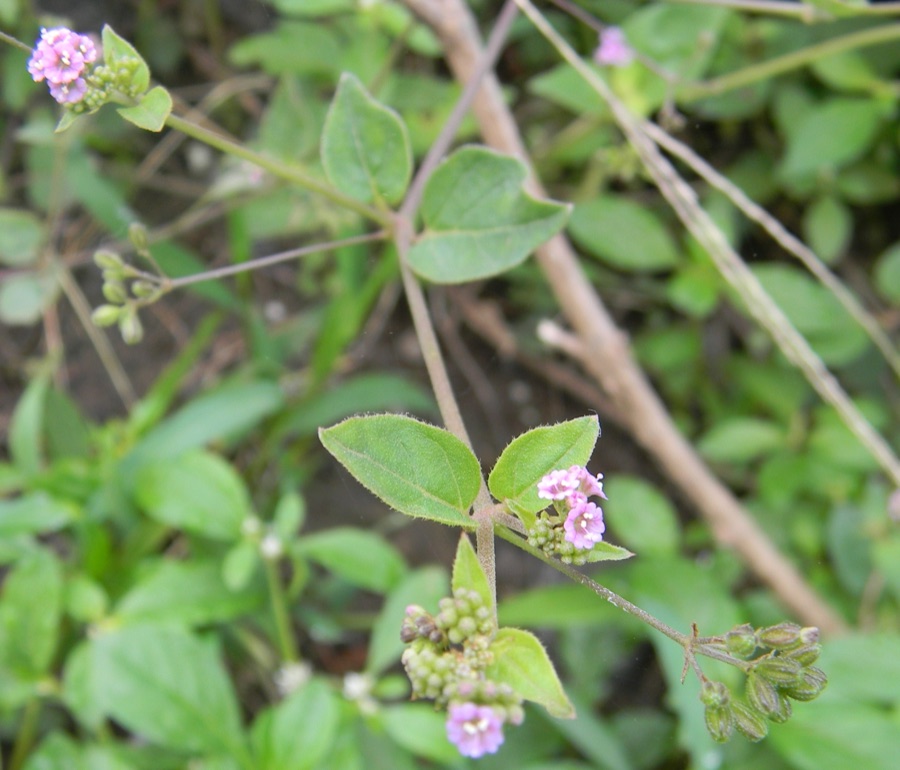
Photo: Neha.Vindhya · CC BY-SA 3.0 · Wikimedia Commons

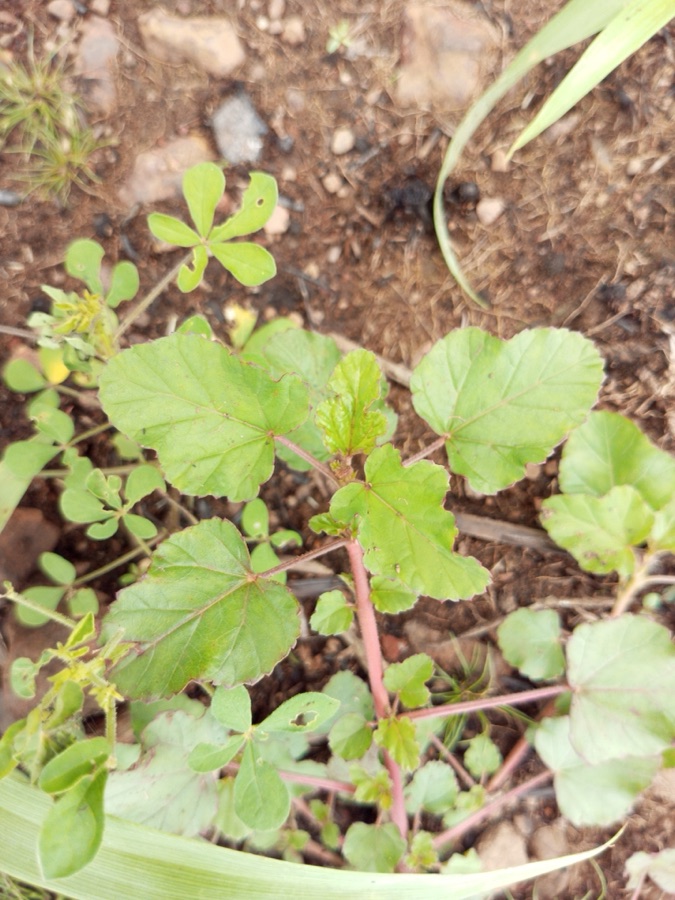
Photo: Nativeplants garden · CC BY-SA 4.0 · Wikimedia Commons

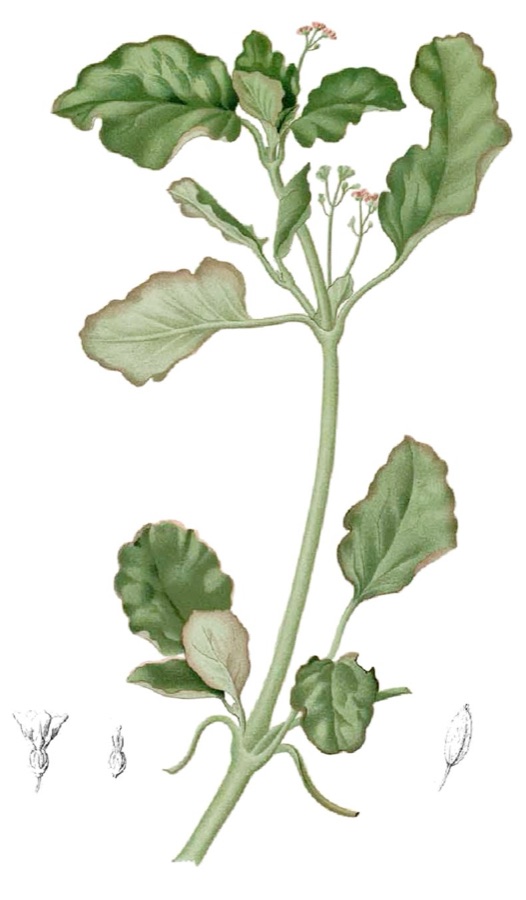
Photo: Francisco Manuel Blanco (O.S.A.) · Public domain · Wikimedia Commons

Matra and anupana
AS THE CLASSICAL TEXTS AND THE API PRESCRIBE
| Churna | 3–6 g |
| Kwatha | 50–100 ml |
| Swarasa | 10–20 ml |
| Anupana | Ushnodaka · Takra |
| Kala | Adhobhakta |
The classical shothahara matra; used in shotha with a watchful eye on any concurrent diuretic.
Reported from Sharangadhara Samhita and the Ayurvedic Pharmacopoeia of India. Laisha states what the texts prescribe; it does not recommend. No quantity here is adjusted for a particular person — not for agni, koshtha, bala, age, pregnancy, kidney or liver function, or anything already being taken.
Pharmacopoeial standard
Ayurvedic Pharmacopoeia of India, Part I
| Marker | Punarnavine on TLC |
| Assay | As the monograph gives |
| Total ash | Total ash not more than 15 per cent |
| Acid-insoluble ash | Not more than 3 per cent |
| Alcohol-soluble extractive | Alcohol-soluble extractive not less than 3 per cent |
| Water-soluble extractive | Water-soluble extractive not less than 12 per cent |
| Foreign matter | Foreign matter not more than 2 per cent |
Trianthema portulacastrum is sold as shweta punarnava and is a different plant in a different family.
These are the pharmacopoeial limits for the article, not a test Laisha has run on anything. They are here so a practitioner can ask a supplier for a certificate of analysis and know what the numbers on it should say.
Rasapanchaka
| Rasa | MadhuraTiktaKashaya |
| Guna | LaghuRuksha |
| Virya | Ushna |
| Vipaka | Madhura |
| Prabhava | The texts treat its action on shotha, swelling, as its defining property, and the paryaya Shothaghni records that. |
| Doshakarma | Kaphavatahara. Being ushna it can increase pitta. |
Madhura, tikta and kashaya with ushna virya and madhura vipaka.
Karma and part used
These are the actions the classical texts record. They are statements about what the tradition holds, and this library does not restate them as findings about a human body.
| Upayukta anga | Mula (the root) Panchanga (the whole plant) |
| Why it matters | The root is the part the texts call for. The whole herb is also used, and the leaf is eaten as a pot herb in the rains. |
Paryaya
Punarnava means renewed again: the plant dies back in the dry season and comes up again with the first rain, and Varshabhu — born of the rains — records the same thing. Shothaghni names the action the texts most associate with it.
Names, by language
| English | Spreading hogweed |
| Sinhala | Pita sudu pala |
| Nepali | Punarnawa |
| Hindi | Punarnava |
| Kannada | Sanadika |
| Tamil | Mukaratte |
| Telugu | Atikamamidi |
| Malayalam | Thazhuthama |
| Marathi | Ghetuli |
| Gujarati | Satodi |
| Bengali | Punarnabha |
| Punjabi | Itsit |
| Odia | Purunia |
| Urdu | Itsit |
Classical references
Rasa, guna, virya, vipaka and karma are recorded as the classical texts give them, with the text and section named so a student can open the book and check. Where an exact chapter and verse could not be confirmed, this library names the section rather than inventing a number.
Formulations it appears in
| Punarnavadi Kwatha | A decoction named for the dravya. |
| Punarnava Mandura | Punarnava is the principal plant dravya. |
| Punarnavashtaka Kwatha | Named for the dravya, with eight ingredients. |
Adulterants and substitutes
The texts describe two punarnava, rakta (red) and shweta (white). Rakta Punarnava is Boerhavia diffusa. Shweta Punarnava is generally taken to be Trianthema portulacastrum, which is in a different family entirely, and the two are collected together because they grow together in the same wet season ground. A prescription that says only punarnava does not say which, and a student should expect to be asked that.
Identity
Matched live against the GBIF backbone on 28 September 2026 at 99 per cent confidence. Boerhavia repanda is treated as a synonym. The white-flowered Shweta Punarnava of the texts is generally taken to be Trianthema portulacastrum, a different family, and is discussed below.
A WAY TO REMEMBER IT
Boerhavia honours Herman Boerhaave. Diffusa means spreading, which is how it sprawls. Punar-nava means renewed again: the plant dies back and returns with the rains, and that is the name.
What the tradition holds
Punarnava is described in the Bhavaprakasha Nighantu and is recorded throughout the classical literature as shothahara. That is what the tradition holds and where it is written down, not a finding about what the plant does in a body.
Constituents. The root carries rotenoids including boeravinone compounds, along with punarnavine. Content varies with season, and the plant's own life cycle means material collected in the rains differs from material collected later.
What the evidence says
| Status | Traditional use is extensive and long recorded. Modern clinical evidence is limited. |
| Suggested | Health Canada publishes monographs covering Ayurvedic ingredients and permits specific traditional-use claims, which reflects a regulator accepting a documented tradition rather than a body of clinical trial evidence. |
| Not established | There is not enough good clinical evidence to establish an effect on any named health condition. Long traditional use is not a substitute for that evidence, and this library does not present it as one. |
| The honest gap | Published work rarely records whether the material was root or whole plant, or which of the two punarnava it was, and both change what was studied. |
Safety
Eaten as a leafy vegetable in the rains across much of India, which is a long record of ordinary use rather than proof of safety in concentrated form. The cautions that matter concern its action on urine output and its use alongside diuretic medicines. Anyone with kidney disease, on medication, pregnant, or managing a diagnosed condition should speak to a doctor or a qualified practitioner first.
| Side effects | Digestive upset Increased urine output, which is an expected action rather than only a side effect |
| Contraindications | No absolute contraindication is documented here. This is written deliberately rather than left blank. |
| Interactions | Diuretics — additive diuresis and potassium loss; check electrolytes if the two run together. Antihypertensives — additive lowering. Lithium — any drug that changes renal sodium and water handling can change lithium clearance and push it toward toxicity. |
| Pregnancy and breastfeeding | Not to be used in pregnancy without a qualified practitioner. There is not enough evidence to establish safety in breastfeeding. |
Growing it
| Climate | Tropical and subtropical; comes up with the monsoon. |
| Soil | Ordinary ground, including waste ground and field margins. |
| Planting | Self-sows; grown from seed where cultivated. |
| Harvest | Roots are lifted after the rains when the plant has grown. Leaf for the pot is taken through the season. |
| What is not stated | This library has not verified region-specific spacing, variety and yield figures against a named agricultural authority for every growing country, and does not state them rather than guessing. |
Check this page
Print it and the code still works. It goes to this page and nowhere else.
What this is not
- This is a study and clinical reference for practitioners and students. The matra and anupana it records are what the classical texts and the Ayurvedic Pharmacopoeia of India PRESCRIBE — Laisha reports them, it does not recommend them. They are not a prescription for any particular person, and they are not adjusted for your age, agni, koshtha, bala, pregnancy, kidney or liver function, or anything else you are already taking. Only a qualified practitioner who has examined you can do that.
- Traditional classification is recorded as what the classical texts say, with the text and the place in it named so it can be checked. It is not restated as a finding about a human body.
- Nothing here replaces a qualified Ayurvedic practitioner or a doctor.
Sources
https://api.gbif.org/v1/species/match?name=Boerhavia%20diffusa
https://pcimh.gov.in/
https://www.canada.ca/en/health-canada/services/drugs-health-products/natural-non-prescription/applications-submissions/product-licensing/compendium-monographs.html
https://niimh.nic.in/ebooks/esharangadhara/