Rasna
रास्ना
Pluchea lanceolata (DC.) C.B.Clarke
Asteraceae · Pluchea
One name, more than one plant
Matched live against the GBIF backbone on 28 September 2026 at 99 per cent confidence. Rasna is a name with no settled plant behind it — at least four species are used across India, and the Ayurvedic Pharmacopoeia and regional practice do not agree. That is set out below rather than smoothed over.
Benefits & side effects
TRADITIONAL VIEW, WITH SAFETY LIMITS
What the texts say Rasna does
- Vatahara — pacifies vata
- Shothahara — reduces swelling
- Amapachana — digests ama
- Vedanasthapana — relieves pain
- Kasahara — relieves cough
What the evidence says. Traditional use is extensive and long recorded. Modern clinical evidence is limited.
Side effects and limits
- Digestive upset
- Allergic reaction in those sensitive to Asteraceae
Avoid or ask first: Known allergy to plants of the Asteraceae family, where Pluchea is the source.; Pregnancy.
A traditional classification, not a recommendation. The full safety record is below.
Stands in 6 groups
- Bhedaniya — Breaking up and evacuating (named there as Suvaha)
- Balya — Strength-giving (named there as Atirasa)
- Anuvasanopaga — Adjuvant to anuvasana basti
- Vishaghna — Counteracting poison (named there as Suvaha)
- Vayasthapana — Sustaining youth (named there as Atirasa)
- Arkadi — Kapha, fat, poison, and worms
A Samhita can only be read forwards, from the group to its members. This is the same list read backwards.
Photographs
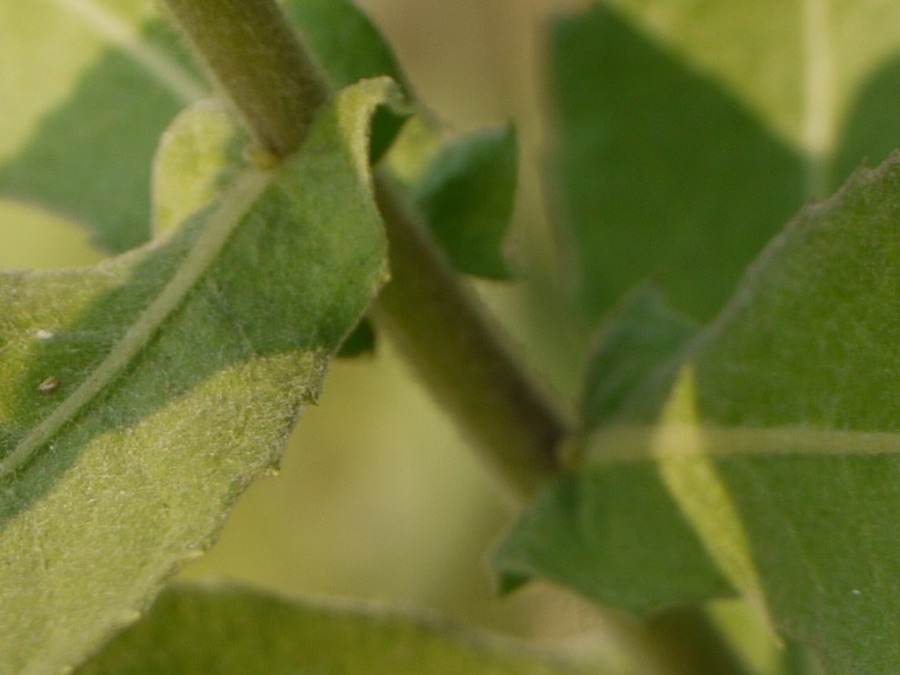
Photo: Dinesh Valke from Thane, India · CC BY-SA 2.0 · Wikimedia Commons

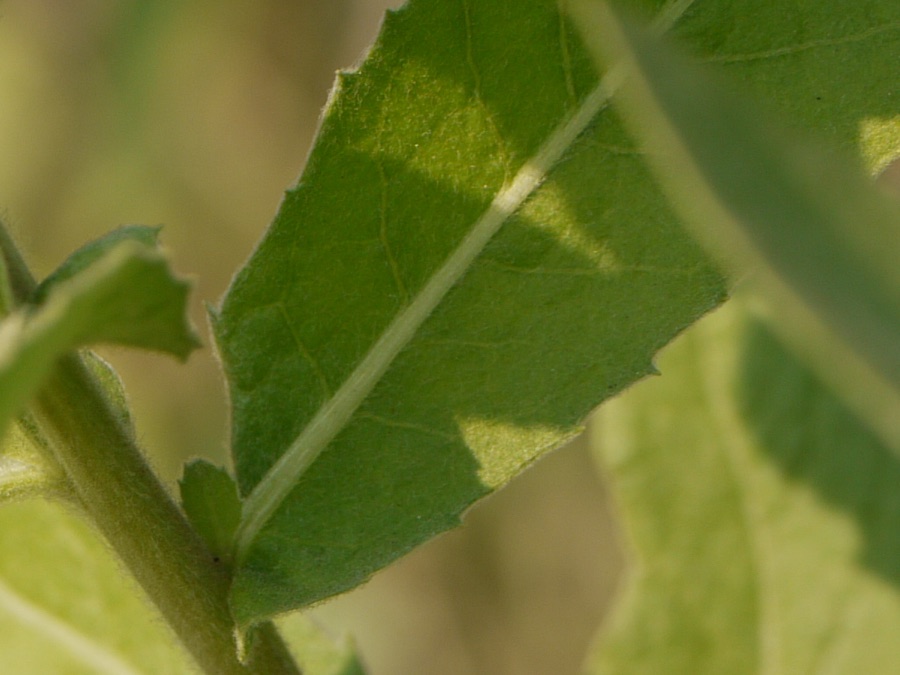
Photo: Dinesh Valke from Thane, India · CC BY-SA 2.0 · Wikimedia Commons

Matra and anupana
AS THE CLASSICAL TEXTS AND THE API PRESCRIBE
| Churna | 3–6 g |
| Kwatha | 50–100 ml |
| Anupana | Ushnodaka |
| Kala | Adhobhakta |
Rasna is a name with no settled plant. Which species is in the product changes the drug.
Reported from Sharangadhara Samhita and the Ayurvedic Pharmacopoeia of India. Laisha states what the texts prescribe; it does not recommend. No quantity here is adjusted for a particular person — not for agni, koshtha, bala, age, pregnancy, kidney or liver function, or anything already being taken.
Pharmacopoeial standard
Ayurvedic Pharmacopoeia of India, Part I
| Marker | Identity precedes any assay |
| Assay | |
| Total ash | |
| Acid-insoluble ash | |
| Alcohol-soluble extractive | |
| Water-soluble extractive | |
| Foreign matter |
Pluchea lanceolata in the north, Alpinia galanga in the south, and Vanda roxburghii in some practice. Three different plants under one name.
These are the marker and the identity test for this dravya, and they are not a test Laisha has run on anything. Laisha does not state the numeric limits here: the assay, ash and extractive figures must be read from the current edition of the Ayurvedic Pharmacopoeia of India, because a wrong limit printed here is a number a laboratory would act on. The entries in this library that DO carry figures carry them because each one was checked.
Rasapanchaka
| Rasa | Tikta |
| Guna | Guru |
| Virya | Ushna |
| Vipaka | Katu |
| Prabhava | The texts treat rasna as the chief dravya for vatavyadhi and for amavata, and it heads more joint formulations than any other single plant. |
| Doshakarma | Kaphavatahara. Being ushna it increases pitta. |
Tikta with ushna virya and katu vipaka.
Karma and part used
These are the actions the classical texts record. They are statements about what the tradition holds, and this library does not restate them as findings about a human body.
| Upayukta anga | Patra (the leaf) Mula (the root) |
| Why it matters | The leaf is the part most used where Pluchea is the source. Where Alpinia is used the rhizome is the article, which is a different part of a different plant under the same name. |
Paryaya
Elaparni, cardamom-leaved, points to Alpinia galanga rather than to Pluchea, which is itself evidence that the classical Rasna may not have been the plant most commonly sold as Rasna today.
Names, by language
| English | Rasna |
| Sinhala | Rasna |
| Nepali | Rasna |
| Hindi | Rasna |
| Kannada | Rasnagida |
| Tamil | Rasnam |
| Telugu | Rasna |
| Malayalam | Aravam |
| Marathi | Rasna |
| Gujarati | Rasna |
| Bengali | Rasna |
| Punjabi | Rasan |
| Odia | Rasna |
| Urdu | Rasan |
Classical references
Rasa, guna, virya, vipaka and karma are recorded as the classical texts give them, with the text and section named so a student can open the book and check. Where an exact chapter and verse could not be confirmed, this library names the section rather than inventing a number.
Formulations it appears in
| Rasnadi Kwatha | Named for the dravya. |
| Rasnasaptaka Kwatha | Rasna with seven dravya. |
| Maharasnadi Kwatha | Rasna is the principal dravya. |
Adulterants and substitutes
This is a name, not a plant, and a student should say so. Pluchea lanceolata is used across north India and is what the Ayurvedic Pharmacopoeia of India takes as the source. Alpinia galanga is used in the south and in Kerala, and the paryaya Elaparni fits it better than it fits Pluchea. Vanda roxburghii, an orchid, is used in Bengal. Inula racemosa is used in some places. Four plants, three families, one name — and a Rasnadi Kwatha made in Kerala is not the same medicine as one made in Uttar Pradesh.
Identity
Matched live against the GBIF backbone on 28 September 2026 at 99 per cent confidence. Rasna is a name with no settled plant behind it — at least four species are used across India, and the Ayurvedic Pharmacopoeia and regional practice do not agree. That is set out below rather than smoothed over.
A WAY TO REMEMBER IT
Pluchea honours the Abbé Pluche. Lanceolata means lance-shaped leaf. Remember it as the name with no settled plant: Rasna is a name, and Pluchea is only the Pharmacopoeia's answer to it.
What the tradition holds
Rasna is described in the Bhavaprakasha Nighantu and is named throughout the classical literature for joint disorders. That is what the tradition holds and where it is written down, not a finding about what the plant does in a body.
Constituents. Pluchea lanceolata carries flavonoids and sterols including quercetin derivatives. Alpinia galanga, used under the same name, carries an entirely different chemistry dominated by phenylpropanoids.
What the evidence says
| Status | Traditional use is extensive and long recorded. Modern clinical evidence is limited. |
| Suggested | Health Canada publishes monographs covering Ayurvedic ingredients and permits specific traditional-use claims, which reflects a regulator accepting a documented tradition rather than a body of clinical trial evidence. |
| Not established | There is not enough good clinical evidence to establish an effect on any named health condition. Long traditional use is not a substitute for that evidence, and this library does not present it as one. |
| The honest gap | Published work under the name Rasna may concern any of four unrelated plants. Unless a study names its binomial it cannot be read as evidence about this one. |
Safety
No serious harm is documented for this dravya at traditional use, which is a statement about the absence of records and not a guarantee. The larger practical risk is the naming problem above: someone buying Rasna cannot know from the label which of four plants they have, and cannot reason about safety without knowing. Pluchea is an Asteraceae, so allergy in those sensitive to that family is possible. Anyone on medication, pregnant, or managing a diagnosed condition should speak to a doctor or a qualified practitioner first.
| Side effects | Digestive upset Allergic reaction in those sensitive to Asteraceae |
| Contraindications | Known allergy to plants of the Asteraceae family, where Pluchea is the source. Pregnancy. |
| Interactions | No specific interaction is documented here. Anyone on regular medication should still tell their doctor what they are taking. |
| Pregnancy and breastfeeding | Not to be used in pregnancy without a qualified practitioner. There is not enough evidence to establish safety in breastfeeding. |
Growing it
| Climate | Dry tropical plains; a spreading perennial of waste ground. |
| Soil | Dry, well-drained, often saline ground. |
| Planting | Spreads by underground runners; grown from root pieces. |
| Harvest | Leaves and roots are collected from established stands and dried in shade. |
| What is not stated | This library has not verified region-specific spacing, variety and yield figures against a named agricultural authority for every growing country, and does not state them rather than guessing. |
Check this page
Print it and the code still works. It goes to this page and nowhere else.
What this is not
- This is a study and clinical reference for practitioners and students. The matra and anupana it records are what the classical texts and the Ayurvedic Pharmacopoeia of India PRESCRIBE — Laisha reports them, it does not recommend them. They are not a prescription for any particular person, and they are not adjusted for your age, agni, koshtha, bala, pregnancy, kidney or liver function, or anything else you are already taking. Only a qualified practitioner who has examined you can do that.
- Traditional classification is recorded as what the classical texts say, with the text and the place in it named so it can be checked. It is not restated as a finding about a human body.
- Nothing here replaces a qualified Ayurvedic practitioner or a doctor.
Sources
https://api.gbif.org/v1/species/match?name=Pluchea%20lanceolata
https://pcimh.gov.in/
https://www.canada.ca/en/health-canada/services/drugs-health-products/natural-non-prescription/applications-submissions/product-licensing/compendium-monographs.html
https://niimh.nic.in/ebooks/esharangadhara/
https://pcimh.gov.in/