Sarpagandha
सर्पगन्धा
Rauvolfia serpentina (L.) Benth. ex Kurz
Apocynaceae · Rauvolfia
Benefits & side effects
TRADITIONAL VIEW, WITH SAFETY LIMITS
Hindi name: Chandrabhaga
What the texts say Sarpagandha does
- Nidrajanana — induces sleep
- Medhya — supports intellect and memory
- Krimighna — anthelmintic (against worms)
- Jwaraghna — used in fever
- Vishaghna — antidote (against poison)
What the evidence says. Traditional use is extensive and long recorded. Modern clinical evidence is limited.
Side effects and limits
- Drowsiness and sedation
- Nasal congestion
- Slowed heartbeat
- Digestive upset
- Low mood
Avoid or ask first: Depression or any history of it.; Pregnancy and breastfeeding.; Peptic ulcer.; and more below.
A traditional classification, not a recommendation. The full safety record is below.
Photographs
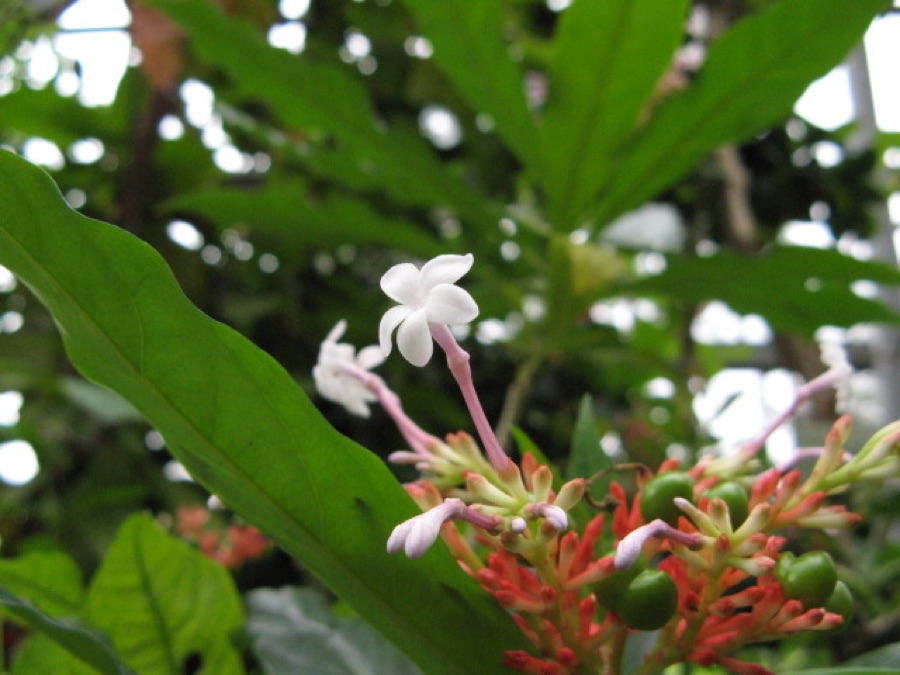
Photo: Pieria(Uploader and Photographer) · Public domain · Wikimedia Commons

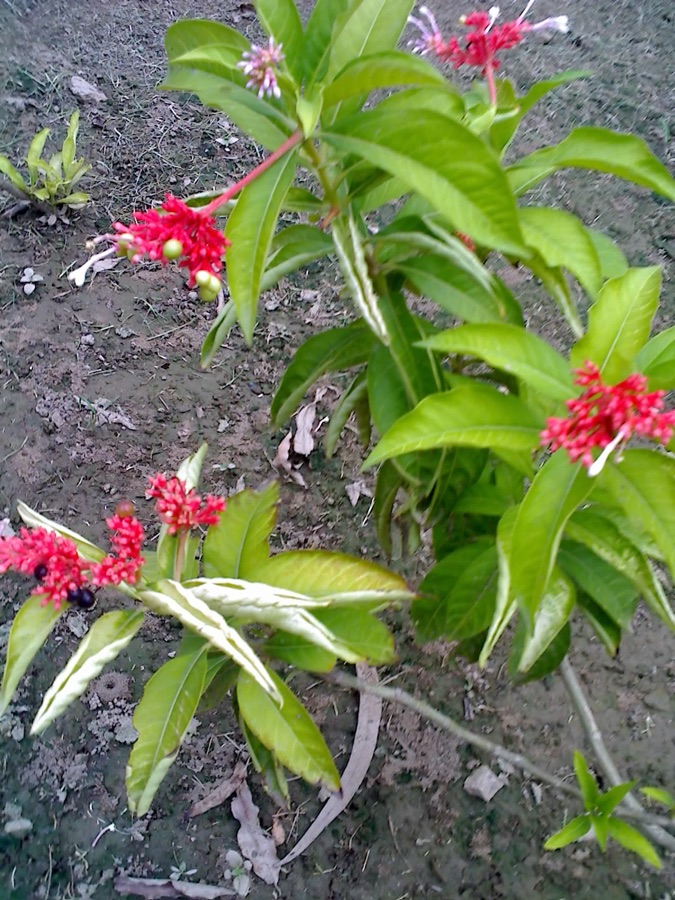
Photo: आशीष भटनागर at English Wikipedia · Public domain · Wikimedia Commons

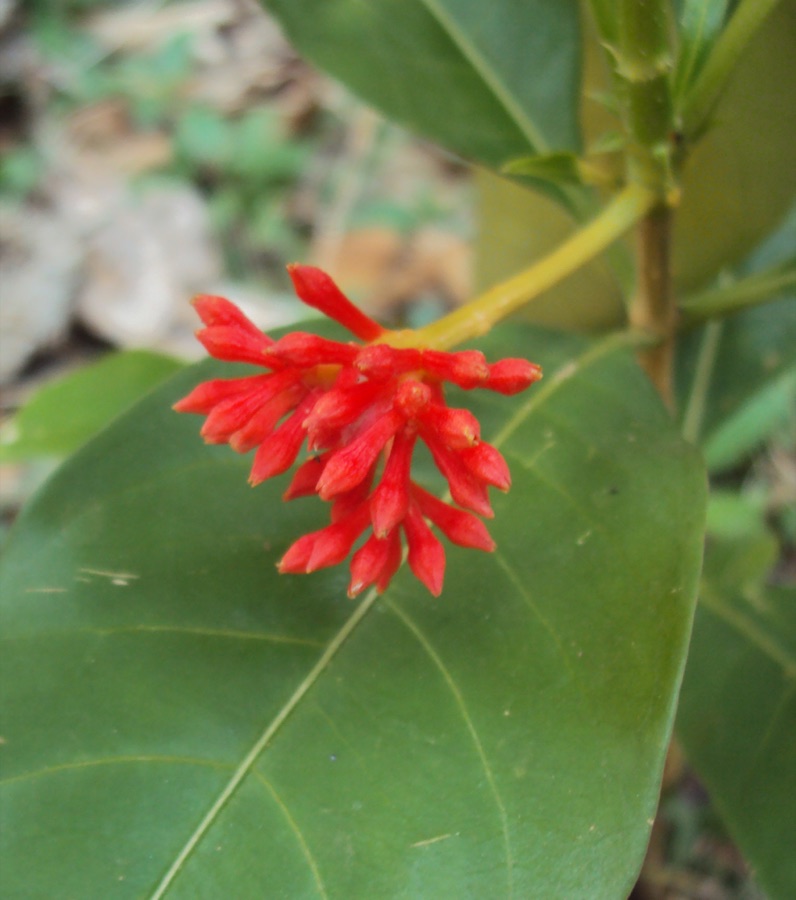
Photo: Vinayaraj · CC BY-SA 3.0 · Wikimedia Commons

Matra and anupana
AS THE CLASSICAL TEXTS AND THE API PRESCRIBE
| Mula churna | 250–500 mg |
| Anupana | Ushnodaka · Dugdha |
| Kala | Ratri |
Reserpine-bearing. Prescription-restricted in India and barred as a US supplement ingredient. A history of depression is a contraindication.
Reported from Sharangadhara Samhita and the Ayurvedic Pharmacopoeia of India. Laisha states what the texts prescribe; it does not recommend. No quantity here is adjusted for a particular person — not for agni, koshtha, bala, age, pregnancy, kidney or liver function, or anything already being taken.
Rasapanchaka
| Rasa | TiktaKatu |
| Guna | LaghuRuksha |
| Virya | Ushna |
| Vipaka | Katu |
| Prabhava | The texts treat sarpagandha as nidrajanana, bringing sleep, and as acting where the mind is disturbed. Later Ayurvedic works name it for unmada. |
| Doshakarma | Kaphavatahara. |
Tikta and katu with ushna virya and katu vipaka.
Karma and part used
These are the actions the classical texts record. They are statements about what the tradition holds, and this library does not restate them as findings about a human body.
| Upayukta anga | Mula (the root) |
| Why it matters | The root is the dravya, and it is where the alkaloids are concentrated. |
Paryaya
Sarpagandha means snake-smelling, and the plant was held to repel snakes and to be used where one had bitten. Chandrika, moonlit, describes the pale flowers. Nakuli links it to the mongoose, the snake's enemy.
Names, by language
| English | Indian snakeroot |
| Sinhala | Ekaweriya |
| Nepali | Sarpagandha |
| Hindi | Chandrabhaga |
| Kannada | Sutranabhi |
| Tamil | Chivan amelpodi |
| Telugu | Patalagani |
| Malayalam | Amalpori |
| Marathi | Harkaya |
| Gujarati | Amelpodi |
| Bengali | Chandra |
| Punjabi | Chandrabhaga |
| Odia | Patalagaruda |
| Urdu | Asrol |
Classical references
Rasa, guna, virya, vipaka and karma are recorded as the classical texts give them, with the text and section named so a student can open the book and check. Where an exact chapter and verse could not be confirmed, this library names the section rather than inventing a number.
Formulations it appears in
| Sarpagandha Ghana Vati | Named for the dravya. |
| Sarpagandha Churna | Named for the dravya. |
| Manasamitra Vataka | Among the dravya of the formulation in some recensions. |
Adulterants and substitutes
Other Rauvolfia species are substituted, chiefly Rauvolfia tetraphylla, which contains a different and more erratic alkaloid profile. Because the whole point of this root is its alkaloid content, a substitution here is not a matter of a weaker preparation but of an unpredictable one.
Identity
Matched live against the GBIF backbone on 28 September 2026 at 99 per cent confidence. This is the most pharmacologically consequential plant in the library: the alkaloid reserpine was isolated from this root and became one of the first modern medicines for high blood pressure and for psychosis. It is on CITES Appendix II. Both facts are dealt with in the safety section, which for this dravya is the most important part of the entry.
A WAY TO REMEMBER IT
Rauvolfia honours Leonhard Rauwolf. Serpentina means serpent-like, for the twisting root. Sarpa-gandha means snake-smell. Latin and Sanskrit chose the same snake.
What the tradition holds
Sarpagandha is described in the Bhavaprakasha Nighantu and is recorded in later Ayurvedic works as acting where the mind is disturbed and where sleep is lost. That is what the tradition holds and where it is written down, not a finding about what the root does in a body.
Constituents. The root carries indole alkaloids, of which reserpine is the best known; ajmaline, ajmalicine, serpentine and others are also present. Reserpine became a modern prescription medicine in its own right.
What the evidence says
| Status | Traditional use is extensive and long recorded. Modern clinical evidence is limited. |
| Suggested | This is the one dravya in this library where the evidence position must be stated in reverse. A constituent of this root was developed into a prescription medicine and is regulated as one. That is not a reason to treat the herb as proven and safe. It is a reason to treat it as belonging to a doctor, because a plant whose constituent needs a prescription is a plant whose effects need supervision. |
| Not established | There is not enough good clinical evidence to establish an effect on any named health condition. Long traditional use is not a substitute for that evidence, and this library does not present it as one. |
| The honest gap | Alkaloid content varies substantially between plants, populations and seasons, so the strength of any given root is not knowable without assay. That is precisely the problem with using the plant rather than the standardised medicine. |
Safety
This is the most serious dravya in this library and this entry will not soften it. Reserpine, isolated from this root, is a prescription medicine that lowers blood pressure and acts on the brain, and it was withdrawn from common use in many countries because it was associated with severe depression and with suicide. The root contains that compound in an amount nobody can know without testing. Taking it alongside medicine for blood pressure can drop it dangerously. It is barred or restricted as a non-prescription ingredient in several countries. It is also on CITES Appendix II and is assessed as threatened from over-collection. This dravya is not for self-treatment in any quantity or form, and anyone who has been given it should be under the care of a qualified practitioner and should tell their doctor.
| Side effects | Drowsiness and sedation Nasal congestion Slowed heartbeat Digestive upset Low mood |
| Contraindications | Depression or any history of it. Pregnancy and breastfeeding. Peptic ulcer. Anyone already taking medicine for blood pressure, other than under a doctor's direction. Self-treatment of any kind. |
| Interactions | Any antihypertensive — reserpine depletes catecholamine stores and the lowering is additive, sometimes steeply. Digoxin and antiarrhythmics — bradycardia and arrhythmia risk. Levodopa — reserpine directly opposes it and can worsen parkinsonism. Tricyclic antidepressants and MAO inhibitors — reserpine-induced depression is well documented and has been severe. A history of depression is a contraindication, not a caution. Prescription-restricted in India and barred as a US dietary-supplement ingredient. This is not an over-the-counter dravya anywhere. |
| Pregnancy and breastfeeding | Not to be used in pregnancy or breastfeeding. |
Growing it
| Climate | Tropical, in the understorey of moist forest. |
| Soil | Deep, moist, well-drained forest ground with shade. |
| Planting | Grown from seed, cuttings or root pieces. Cultivation is established because wild stands cannot meet demand. |
| Harvest | Roots are lifted after two to three years and dried. |
| What is not stated | Listed on CITES Appendix II and assessed as threatened from collection for the pharmaceutical trade. Cultivated material should be preferred, and this library records that as fact rather than as advice about anyone's health. |
Check this page
Print it and the code still works. It goes to this page and nowhere else.
What this is not
- This is a study and clinical reference for practitioners and students. The matra and anupana it records are what the classical texts and the Ayurvedic Pharmacopoeia of India PRESCRIBE — Laisha reports them, it does not recommend them. They are not a prescription for any particular person, and they are not adjusted for your age, agni, koshtha, bala, pregnancy, kidney or liver function, or anything else you are already taking. Only a qualified practitioner who has examined you can do that.
- Traditional classification is recorded as what the classical texts say, with the text and the place in it named so it can be checked. It is not restated as a finding about a human body.
- Nothing here replaces a qualified Ayurvedic practitioner or a doctor.
Sources
https://api.gbif.org/v1/species/match?name=Rauvolfia%20serpentina
https://pcimh.gov.in/
https://www.canada.ca/en/health-canada/services/drugs-health-products/natural-non-prescription/applications-submissions/product-licensing/compendium-monographs.html
https://niimh.nic.in/ebooks/esharangadhara/