Shalmali
शाल्मली
Bombax ceiba L.
Malvaceae · Bombax
Benefits & side effects
TRADITIONAL VIEW, WITH SAFETY LIMITS
Hindi name: Semal
What the texts say Shalmali does
- Grahi — digestive that absorbs excess fluid and binds the stool
- Sangrahi — binds the stool
- Raktastambhana — checks bleeding (haemostatic)
- Vrishya — aphrodisiac, supports reproductive vigour
- Balya — strengthening
- Vranaropana — heals wounds
What the evidence says. Traditional use is extensive and long recorded. Modern clinical evidence is limited.
Side effects and limits
- Constipation
- Digestive heaviness
Avoid or ask first: No absolute contraindication is documented here. This is written deliberately rather than left blank.
A traditional classification, not a recommendation. The full safety record is below.
Stands in 6 groups
- Sandhaniya — Uniting and healing (named there as Mocharasa)
- Purishasangrahaniya — Binding the stool (named there as Mocharasa)
- Mutrasangrahaniya — Binding the urine
- Shonitasthapana — Arresting bleeding (named there as Mocharasa)
- Shukrasthapana — Sustaining semen (named there as Mocharasa)
- Priyangvadi — Bleeding, Pitta, and the burning states (named there as Mocharasa)
A Samhita can only be read forwards, from the group to its members. This is the same list read backwards.
Photographs
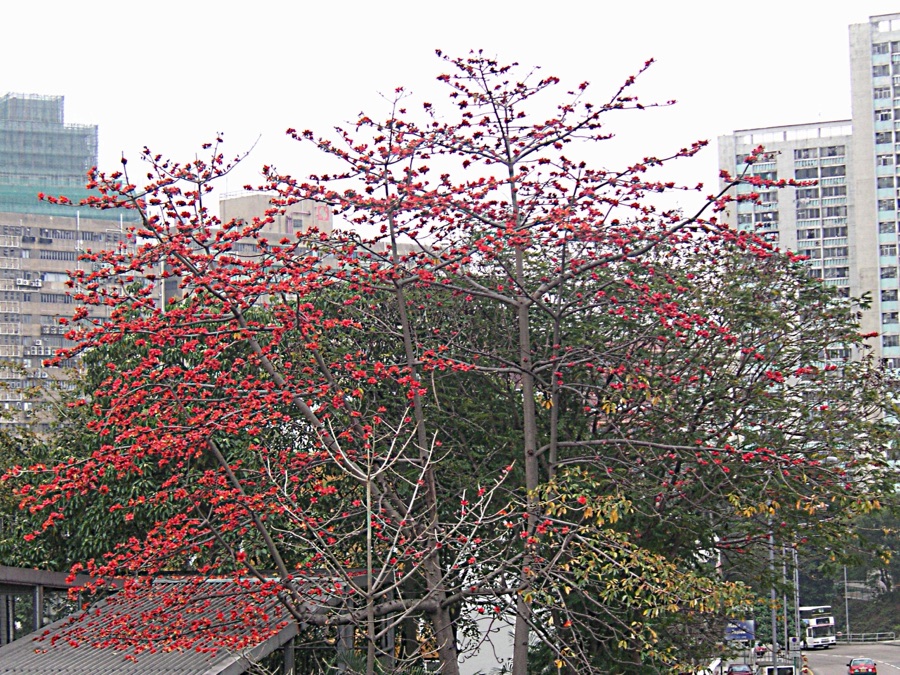
Photo: Unknown · CC BY-SA 2.5 · Wikimedia Commons

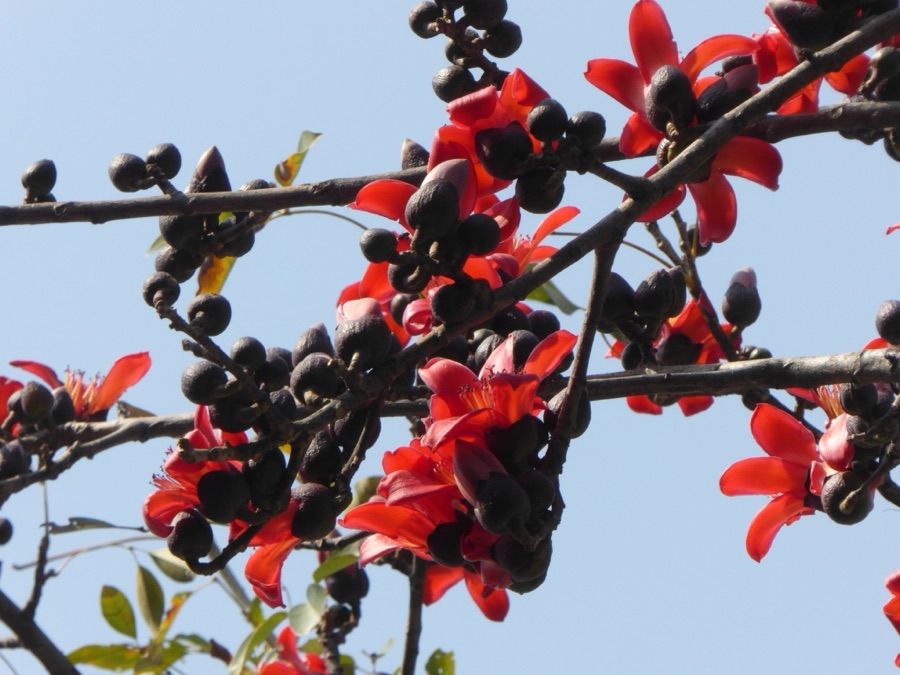
Photo: Ben Costamagna · CC BY 4.0 · Wikimedia Commons

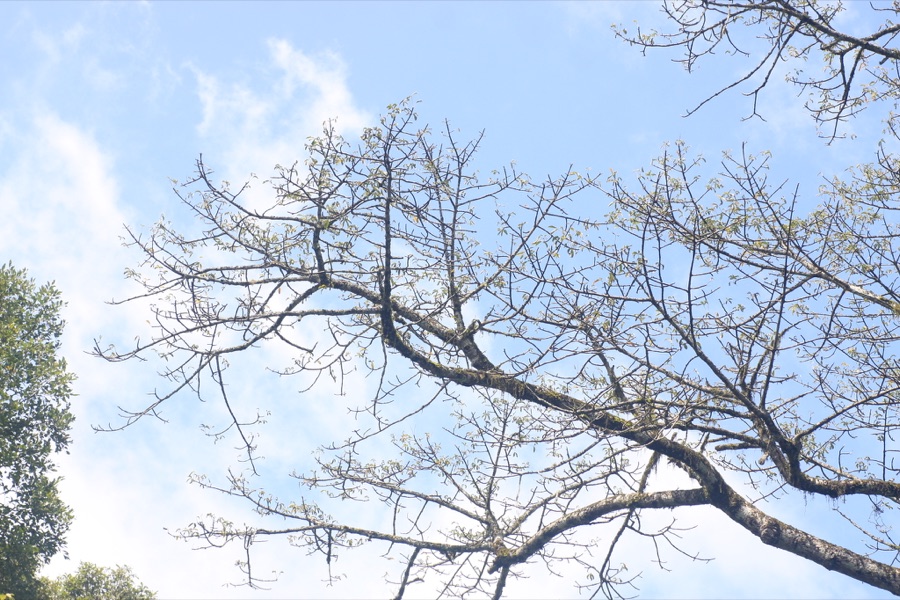
Photo: madhavan a.p · CC BY 4.0 · Wikimedia Commons

Matra and anupana
AS THE CLASSICAL TEXTS AND THE API PRESCRIBE
| Niryasa (Mocharasa) | 1–3 g |
| Twak kwatha | 50–100 ml |
| Anupana | Tandulodaka · Madhu |
| Kala | Adhobhakta |
Mocharasa, the dried gum, is the classical raktastambhana and is used in Pushyanuga churna.
Reported from Sharangadhara Samhita and the Ayurvedic Pharmacopoeia of India. Laisha states what the texts prescribe; it does not recommend. No quantity here is adjusted for a particular person — not for agni, koshtha, bala, age, pregnancy, kidney or liver function, or anything already being taken.
Rasapanchaka
| Rasa | KashayaMadhura |
| Guna | GuruSnigdhaPicchila |
| Virya | Sheeta |
| Vipaka | Madhura |
| Prabhava | The texts treat mocharasa as the chief grahi gum and name it for atisara and for bleeding, and its sliminess is treated as the property that does the work. |
| Doshakarma | Kaphapittahara. |
Kashaya and madhura with sheeta virya and madhura vipaka.
Karma and part used
These are the actions the classical texts record. They are statements about what the tradition holds, and this library does not restate them as findings about a human body.
| Upayukta anga | Niryasa (the gum, Mocharasa) Mula (the root of a young tree) Pushpa (the flower) Kantaka (the thorn) |
| Why it matters | The gum, Mocharasa, is the dravya most used. The root of a young tree, Semal musli, is a separate article, and the thorns from the young trunk are used externally. |
Paryaya
Kantakadhya, rich in thorns, names the conical prickles that cover a young trunk and are themselves used. Picchila, slimy, names the gum.
Names, by language
| English | Silk cotton tree |
| Sinhala | Katu imbul |
| Nepali | Simal |
| Hindi | Semal |
| Kannada | Booruga |
| Tamil | Ilavu |
| Telugu | Buruga |
| Malayalam | Mullilavu |
| Marathi | Shalmali |
| Gujarati | Shimalo |
| Bengali | Shimul |
| Punjabi | Simbal |
| Odia | Simili |
| Urdu | Semal |
Classical references
Rasa, guna, virya, vipaka and karma are recorded as the classical texts give them, with the text and section named so a student can open the book and check. Where an exact chapter and verse could not be confirmed, this library names the section rather than inventing a number.
Formulations it appears in
| Mocharasa preparations | The gum, used as its own dravya. |
| Pushyanuga Churna | Mocharasa is among the dravya. |
| Shalmali Pak | Named for the dravya. |
Adulterants and substitutes
Mocharasa is a dried gum lump and is bulked with gum arabic, with tragacanth and with cheaper tree gums, none of which is visible once mixed. Semal musli, the young root, is substituted with Safed musli, which is Chlorophytum and a different family, because the names overlap in the market.
Identity
Matched live against the GBIF backbone on 28 September 2026 at 99 per cent confidence. Salmalia malabarica is a synonym. The tree whose red flowers cover bare branches before the leaves come, and whose gum — Mocharasa — is a separate dravya with its own name.
A WAY TO REMEMBER IT
Bombax is bombyx, silk — the seed floss. Ceiba is the Caribbean name for the related silk-cotton tree.
What the tradition holds
Shalmali is described in the Bhavaprakasha Nighantu, where the gum is treated separately from the tree. That is what the tradition holds and where it is written down, not a finding about what the gum does in a body.
Constituents. The gum carries tannins, mucilage and catechin. The root carries starch and mucilage.
What the evidence says
| Status | Traditional use is extensive and long recorded. Modern clinical evidence is limited. |
| Suggested | Health Canada publishes monographs covering Ayurvedic ingredients and permits specific traditional-use claims, which reflects a regulator accepting a documented tradition rather than a body of clinical trial evidence. |
| Not established | There is not enough good clinical evidence to establish an effect on any named health condition. Long traditional use is not a substitute for that evidence, and this library does not present it as one. |
| The honest gap | Published work on this dravya is limited and rarely distinguishes the gum from the root or bark. |
Safety
No serious harm is documented for this dravya at traditional use, which is a statement about the absence of records and not a guarantee. The gum is grahi, so it can cause constipation, and its mucilage can reduce the absorption of medicines taken at the same time. The commonest practical problem is that a lump of gum sold as mocharasa may be largely something else. Anyone on medication, pregnant, or managing a diagnosed condition should speak to a doctor or a qualified practitioner first.
| Side effects | Constipation Digestive heaviness |
| Contraindications | No absolute contraindication is documented here. This is written deliberately rather than left blank. |
| Interactions | No specific drug interaction is documented for this dravya. That is the honest state of the evidence, not a statement that none exists — most Ayurvedic dravya have never been studied for interaction. Tell the prescribing doctor it is being taken. Any oral drug taken at the same time — the mucilage of Mocharasa slows absorption. Separate by two hours. Antidiabetic medicines — mild lowering reported for Bombax. |
| Pregnancy and breastfeeding | There is not enough evidence to establish safety in pregnancy or breastfeeding, and a qualified practitioner should be asked first. |
Growing it
| Climate | Tropical; a large deciduous tree, common across India. |
| Soil | Deep, well-drained ground. |
| Planting | A tree, raised from seed. Fast-growing. |
| Harvest | Gum is collected from incisions in the bark and dried. Roots are lifted only from young trees, which kills them, so this is not a sustainable source at scale. |
| What is not stated | This library has not verified region-specific spacing, variety and yield figures against a named agricultural authority for every growing country, and does not state them rather than guessing. |
Check this page
Print it and the code still works. It goes to this page and nowhere else.
What this is not
- This is a study and clinical reference for practitioners and students. The matra and anupana it records are what the classical texts and the Ayurvedic Pharmacopoeia of India PRESCRIBE — Laisha reports them, it does not recommend them. They are not a prescription for any particular person, and they are not adjusted for your age, agni, koshtha, bala, pregnancy, kidney or liver function, or anything else you are already taking. Only a qualified practitioner who has examined you can do that.
- Traditional classification is recorded as what the classical texts say, with the text and the place in it named so it can be checked. It is not restated as a finding about a human body.
- Nothing here replaces a qualified Ayurvedic practitioner or a doctor.
Sources
https://api.gbif.org/v1/species/match?name=Bombax%20ceiba
https://pcimh.gov.in/
https://www.canada.ca/en/health-canada/services/drugs-health-products/natural-non-prescription/applications-submissions/product-licensing/compendium-monographs.html
https://niimh.nic.in/ebooks/esharangadhara/