Shankhapushpi
शङ्खपुष्पी
Convolvulus prostratus Forssk.
Convolvulaceae · Convolvulus
One name, more than one plant
Matched live against the GBIF backbone on 28 September 2026 at 99 per cent confidence. Convolvulus pluricaulis and Convolvulus microphyllus are synonyms. This is the second great name collision in the library after Brahmi, and a larger one: at least four unrelated plants are sold as Shankhapushpi across India. That is set out below rather than resolved.
Benefits & side effects
TRADITIONAL VIEW, WITH SAFETY LIMITS
Hindi name: Shankhahuli
What the texts say Shankhapushpi does
- Medhya — supports intellect and memory
- Rasayana — rejuvenative
- Balya — strengthening
- Nidrajanana — induces sleep
- Apasmaraghna — used in epilepsy (apasmara)
- Kanthya — good for the throat and voice
What the evidence says. Traditional use is extensive and long recorded. Modern clinical evidence is limited.
Side effects and limits
- Drowsiness
- Digestive upset
Avoid or ask first: No absolute contraindication is documented here. This is written deliberately rather than left blank.
A traditional classification, not a recommendation. The full safety record is below.
Photographs
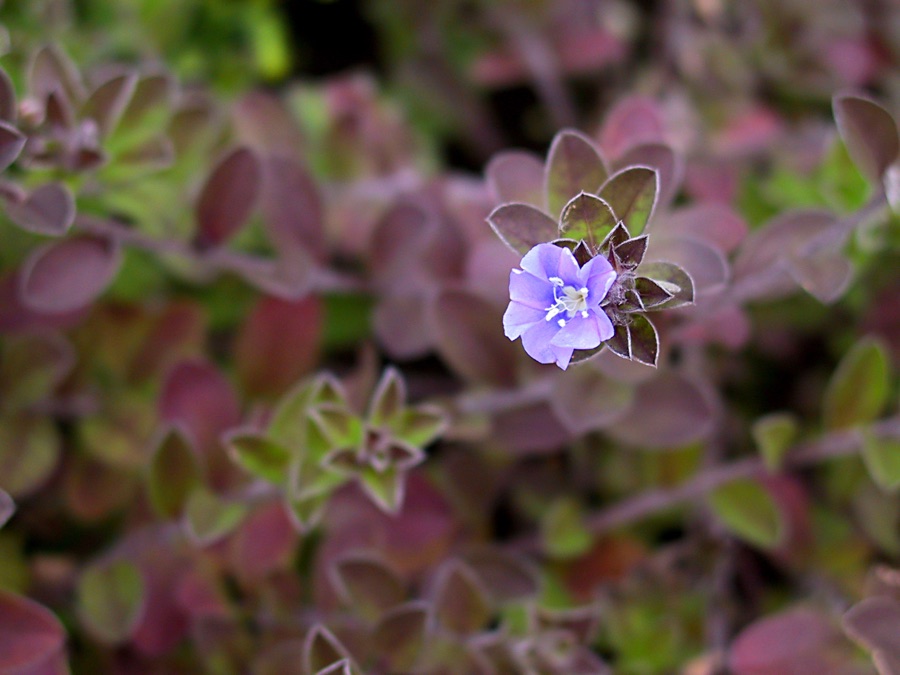
Photo: Juni · CC BY 2.0 · Wikimedia Commons

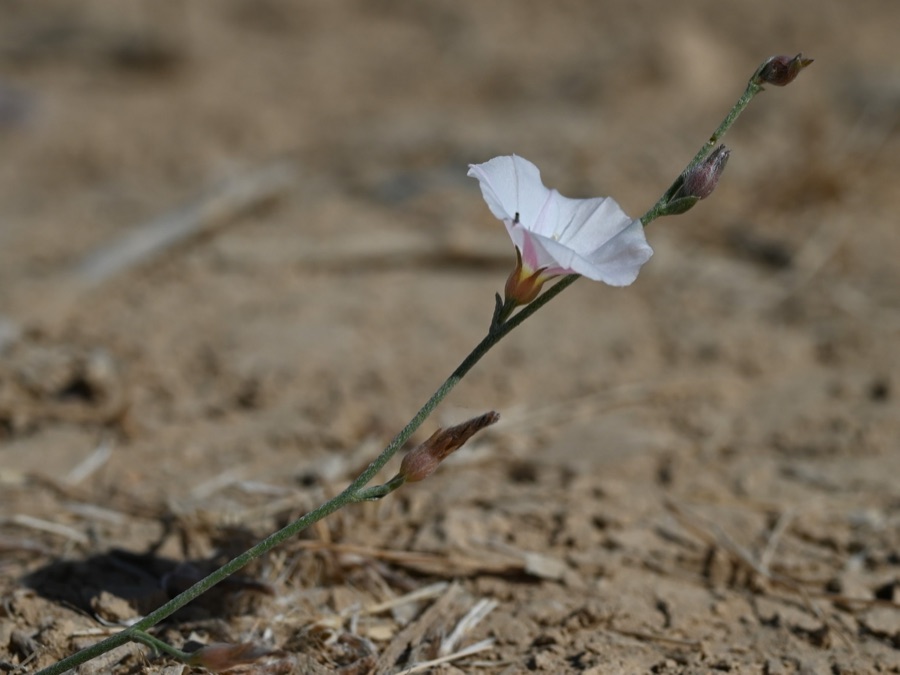
Photo: Krzysztof Ziarnek, Kenraiz · CC BY-SA 4.0 · Wikimedia Commons

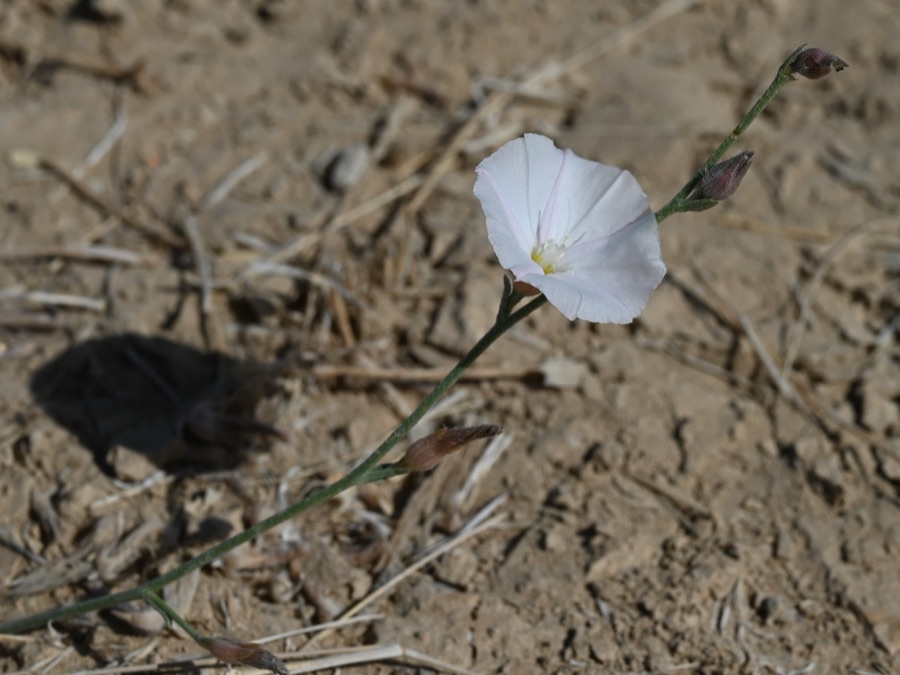
Photo: Krzysztof Ziarnek, Kenraiz · CC BY-SA 4.0 · Wikimedia Commons

Matra and anupana
AS THE CLASSICAL TEXTS AND THE API PRESCRIBE
| Panchanga churna | 3–6 g |
| Swarasa | 10–20 ml |
| Anupana | Dugdha · Ghrita |
| Kala | Pragbhakta |
At least four unrelated plants are sold under this name. It also lowers phenytoin levels — a documented seizure risk.
Reported from Sharangadhara Samhita and the Ayurvedic Pharmacopoeia of India. Laisha states what the texts prescribe; it does not recommend. No quantity here is adjusted for a particular person — not for agni, koshtha, bala, age, pregnancy, kidney or liver function, or anything already being taken.
Pharmacopoeial standard
Ayurvedic Pharmacopoeia of India, Part I
| Marker | Identity precedes any assay |
| Assay | |
| Total ash | |
| Acid-insoluble ash | |
| Alcohol-soluble extractive | |
| Water-soluble extractive | |
| Foreign matter |
Four different plants are sold as Shankhapushpi. No assay is meaningful until the botanical source is established, so the species is the test.
These are the marker and the identity test for this dravya, and they are not a test Laisha has run on anything. Laisha does not state the numeric limits here: the assay, ash and extractive figures must be read from the current edition of the Ayurvedic Pharmacopoeia of India, because a wrong limit printed here is a number a laboratory would act on. The entries in this library that DO carry figures carry them because each one was checked.
Rasapanchaka
| Rasa | TiktaKashayaMadhura |
| Guna | SnigdhaPicchila |
| Virya | Sheeta |
| Vipaka | Madhura |
| Prabhava | Shankhapushpi is grouped with brahmi, mandukaparni and guduchi as a medhya rasayana, and the texts treat its action on the intellect as prabhava. |
| Doshakarma | Tridoshahara. |
Tikta, kashaya and madhura with sheeta virya and madhura vipaka — the profile the texts associate with medhya dravya generally.
Karma and part used
These are the actions the classical texts record. They are statements about what the tradition holds, and this library does not restate them as findings about a human body.
| Upayukta anga | Panchanga (the whole plant) |
| Why it matters | The whole herb is the article, collected in flower. |
Paryaya
Shankhapushpi means conch-flowered, describing the pale flower's shape. That description is loose enough to fit several unrelated plants, which is exactly how the confusion below arose.
Names, by language
| English | Dwarf morning glory |
| Sinhala | Vishnukranthi |
| Nepali | Shankhapushpi |
| Hindi | Shankhahuli |
| Kannada | Vishnukranti |
| Tamil | Vishnukranthi |
| Telugu | Vishnukrantha |
| Malayalam | Vishnukranthi |
| Marathi | Shankhavel |
| Gujarati | Shankhavali |
| Bengali | Shankhapushpi |
| Punjabi | Shankhahuli |
| Odia | Shankhapushpi |
| Urdu | Shankhaholi |
Classical references
Rasa, guna, virya, vipaka and karma are recorded as the classical texts give them, with the text and section named so a student can open the book and check. Where an exact chapter and verse could not be confirmed, this library names the section rather than inventing a number.
Formulations it appears in
| Shankhapushpi Syrup | Named for the dravya. |
| Saraswatarishta | Among the principal dravya. |
| Manasamitra Vataka | Among the dravya of the formulation. |
Adulterants and substitutes
Four unrelated plants are sold as Shankhapushpi across India, and all four usages are old and regional rather than fraudulent: Convolvulus prostratus, which the pharmacopoeia takes as the source; Evolvulus alsinoides, called Vishnukranta and widely used in the south; Clitoria ternatea, the blue pea, whose flower genuinely resembles a conch; and Canscora decussata. They are in three different families. A student asked to name Shankhapushpi should know that the honest answer begins with which plant, and that no textbook list can substitute for a botanical name on a label.
Identity
Matched live against the GBIF backbone on 28 September 2026 at 99 per cent confidence. Convolvulus pluricaulis and Convolvulus microphyllus are synonyms. This is the second great name collision in the library after Brahmi, and a larger one: at least four unrelated plants are sold as Shankhapushpi across India. That is set out below rather than resolved.
A WAY TO REMEMBER IT
Convolvulus is convolvere, to twine. Prostratus means lying flat. Shankha-pushpi means conch-flower. Remember this one as the second great name collision after Brahmi.
What the tradition holds
Shankhapushpi is described in the Bhavaprakasha Nighantu and is grouped by commentators among the medhya rasayana. That is what the tradition holds and where it is written down, not a finding about what the herb does in a body.
Constituents. The herb carries alkaloids including shankhapushpine, along with flavonoids and coumarins. Composition differs entirely between the four plants traded under this name, which is the practical consequence of the confusion above.
What the evidence says
| Status | Traditional use is extensive and long recorded. Modern clinical evidence is limited. |
| Suggested | Health Canada publishes monographs covering Ayurvedic ingredients and permits specific traditional-use claims, which reflects a regulator accepting a documented tradition rather than a body of clinical trial evidence. |
| Not established | There is not enough good clinical evidence to establish an effect on any named health condition. Long traditional use is not a substitute for that evidence, and this library does not present it as one. |
| The honest gap | Published work under the name Shankhapushpi may concern any of four unrelated plants. Unless a study names its binomial, it cannot be read as evidence about this one. |
Safety
No serious harm is documented for this dravya at traditional use, which is a statement about the absence of records and not a guarantee. Because it is calming, it adds to the effect of sedative medicines. The larger practical risk is that a person buying Shankhapushpi may receive any of four unrelated plants, and cannot reason about safety without knowing which. Anyone on medication, pregnant, or managing a diagnosed condition should speak to a doctor or a qualified practitioner first.
| Side effects | Drowsiness Digestive upset |
| Contraindications | No absolute contraindication is documented here. This is written deliberately rather than left blank. |
| Interactions | Phenytoin — Shankhapushpi is documented to REDUCE phenytoin levels and to reduce its antiepileptic effect. This is one of the best-documented herb–drug interactions in Ayurveda and it is a seizure risk. Sedatives and anxiolytics — additive sedation. Thyroid hormone — antithyroid activity reported in animal work. At least four unrelated plants are sold as Shankhapushpi; which one is in the product changes everything above. |
| Pregnancy and breastfeeding | There is not enough evidence to establish safety in pregnancy or breastfeeding, and a qualified practitioner should be asked first. |
Growing it
| Climate | Dry tropical, a prostrate herb of open and waste ground. |
| Soil | Poor, sandy, well-drained ground. |
| Planting | Grown from seed; also self-sows. |
| Harvest | The whole herb is collected in flower, washed and dried in shade. |
| What is not stated | This library has not verified region-specific spacing, variety and yield figures against a named agricultural authority for every growing country, and does not state them rather than guessing. |
Check this page
Print it and the code still works. It goes to this page and nowhere else.
What this is not
- This is a study and clinical reference for practitioners and students. The matra and anupana it records are what the classical texts and the Ayurvedic Pharmacopoeia of India PRESCRIBE — Laisha reports them, it does not recommend them. They are not a prescription for any particular person, and they are not adjusted for your age, agni, koshtha, bala, pregnancy, kidney or liver function, or anything else you are already taking. Only a qualified practitioner who has examined you can do that.
- Traditional classification is recorded as what the classical texts say, with the text and the place in it named so it can be checked. It is not restated as a finding about a human body.
- Nothing here replaces a qualified Ayurvedic practitioner or a doctor.
Sources
https://api.gbif.org/v1/species/match?name=Convolvulus%20prostratus%20Forssk.
https://pcimh.gov.in/
https://www.canada.ca/en/health-canada/services/drugs-health-products/natural-non-prescription/applications-submissions/product-licensing/compendium-monographs.html
https://niimh.nic.in/ebooks/esharangadhara/
https://pcimh.gov.in/