Shatapatri
शतपत्री
Rosa centifolia L.
Rosaceae · Rosa
Benefits & side effects
TRADITIONAL VIEW, WITH SAFETY LIMITS
Hindi name: Gulab
What the texts say Shatapatri does
- Hridya — good for the heart
- Dahaprashamana — relieves burning
- Rechana — purgative
- Varnya — improves complexion
- Medhya — supports intellect and memory
- Trishnanigrahana — quenching thirst
What the evidence says. Traditional use is extensive and long recorded. Modern clinical evidence is limited.
Side effects and limits
- Loose stool in quantity
- Allergic reaction in those sensitive to Rosaceae
Avoid or ask first: Diabetes, as regards Gulkand in quantity.
A traditional classification, not a recommendation. The full safety record is below.
Photographs
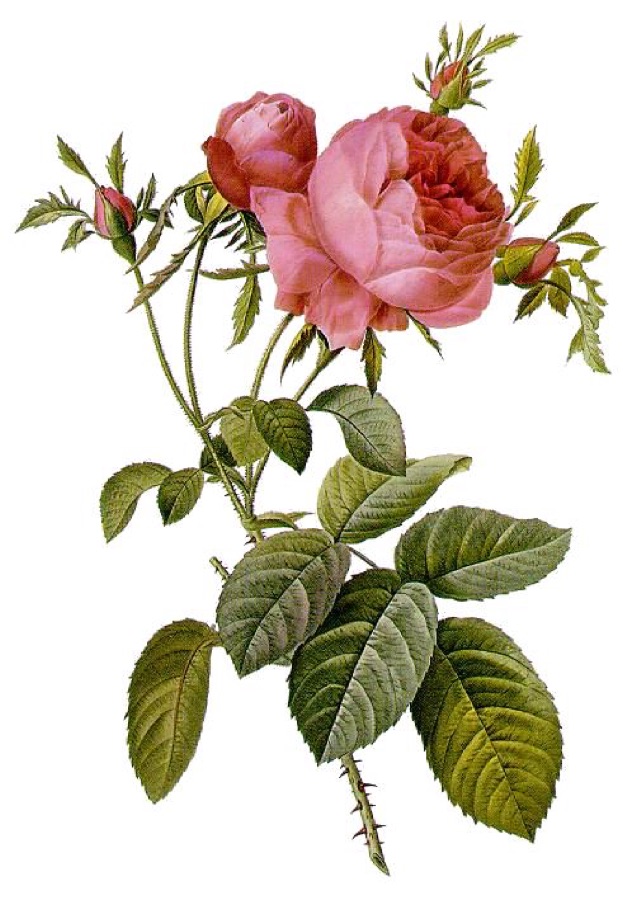
Photo: Pierre-Joseph Redouté · Public domain · Wikimedia Commons

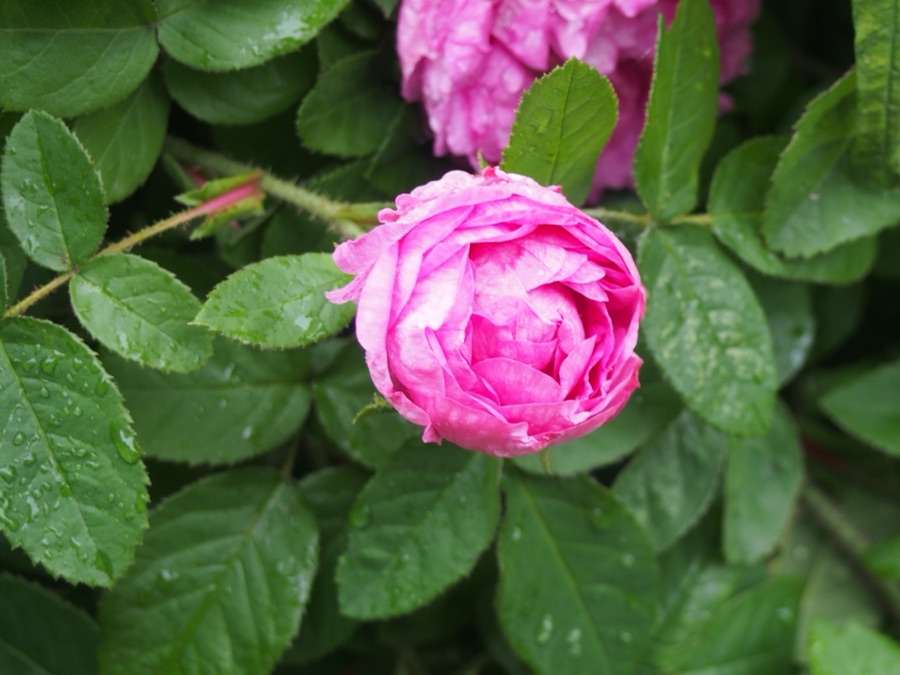
Photo: Agnieszka Kwiecień, Nova · CC BY-SA 4.0 · Wikimedia Commons

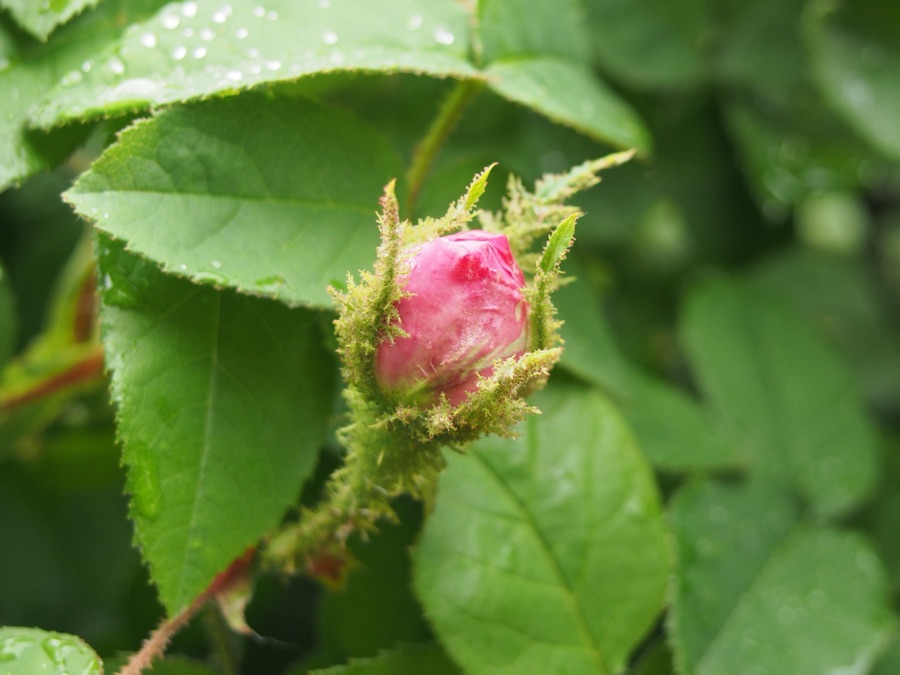
Photo: Agnieszka Kwiecień, Nova · CC BY-SA 4.0 · Wikimedia Commons

Matra and anupana
AS THE CLASSICAL TEXTS AND THE API PRESCRIBE
| Pushpa churna | 1–3 g |
| Gulkand | 5–10 g |
| Anupana | Dugdha · Sharkara |
| Kala | Adhobhakta |
Gulkand is the classical preparation and is a food quantity, not a drug matra.
Reported from Sharangadhara Samhita and the Ayurvedic Pharmacopoeia of India. Laisha states what the texts prescribe; it does not recommend. No quantity here is adjusted for a particular person — not for agni, koshtha, bala, age, pregnancy, kidney or liver function, or anything already being taken.
Rasapanchaka
| Rasa | KashayaTiktaMadhura |
| Guna | LaghuSnigdhaMridu |
| Virya | Sheeta |
| Vipaka | Katu |
| Prabhava | The texts treat shatapatri as hridya and as tridoshahara, and use it where pitta needs cooling without drying the body. |
| Doshakarma | Tridoshahara. |
Kashaya, tikta and madhura with sheeta virya and katu vipaka.
Karma and part used
These are the actions the classical texts record. They are statements about what the tradition holds, and this library does not restate them as findings about a human body.
| Upayukta anga | Pushpa dala (the petal) |
| Why it matters | The petal is the dravya. Gulkand, petals preserved in sugar, and Rose water are the preparations the tradition uses most. |
Paryaya
Shatapatri means hundred-petalled, which is both the name and the identification — the medicinal roses are the many-petalled fragrant kinds, and the epithet centifolia says the same thing in Latin.
Names, by language
| English | Cabbage rose |
| Sinhala | Rosa mal |
| Nepali | Gulaf |
| Hindi | Gulab |
| Kannada | Gulabi |
| Tamil | Roja |
| Telugu | Gulabi |
| Malayalam | Panineer pushpam |
| Marathi | Gulab |
| Gujarati | Gulab |
| Bengali | Golap |
| Punjabi | Gulab |
| Odia | Golapa |
| Urdu | Gulab |
Classical references
Rasa, guna, virya, vipaka and karma are recorded as the classical texts give them, with the text and section named so a student can open the book and check. Where an exact chapter and verse could not be confirmed, this library names the section rather than inventing a number.
Formulations it appears in
| Gulkand | Petals preserved in sugar, the commonest preparation. |
| Arka Gulab | Rose water, distilled from the petals. |
| Chandanadi Taila | Shatapatri appears in some recensions. |
Adulterants and substitutes
Rose water is very commonly synthetic — a solution of rose fragrance rather than a distillate — and the bottle rarely says. Gulkand is bulked with sugar far beyond what the preparation needs, and with petals of scentless varieties which carry none of the oil. A true distillate is faintly cloudy and its scent fades; a synthetic one is water-clear and its scent does not.
Identity
Matched live against the GBIF backbone on 28 September 2026 at 99 per cent confidence. Rosa damascena is used identically and is what most Indian rose products are made from. The texts mean the fragrant old varieties, not the scentless modern florist rose.
A WAY TO REMEMBER IT
Rosa is the Latin rose. Centifolia means hundred-leaved, for the hundred petals. Shata-patri means exactly the same: hundred-petalled. The Latin is a translation of the Sanskrit.
What the tradition holds
Shatapatri is described in the Bhavaprakasha Nighantu among the flowers. That is what the tradition holds and where it is written down, not a finding about what the petal does in a body.
Constituents. The petal carries an essential oil with citronellol and geraniol, along with flavonoids and tannins.
What the evidence says
| Status | Traditional use is extensive and long recorded. Modern clinical evidence is limited. |
| Suggested | Health Canada publishes monographs covering Ayurvedic ingredients and permits specific traditional-use claims, which reflects a regulator accepting a documented tradition rather than a body of clinical trial evidence. |
| Not established | There is not enough good clinical evidence to establish an effect on any named health condition. Long traditional use is not a substitute for that evidence, and this library does not present it as one. |
| The honest gap | Published work concerns the essential oil more than the petal as the tradition uses it. |
Safety
Among the gentlest dravya in this library and used as food. The practical cautions are about the preparations rather than the plant: Gulkand is largely sugar, which matters for anyone managing diabetes, and rose water sold cheaply is often synthetic fragrance rather than a distillate, which is not something to put in an eye. Roses grown commercially for cut flowers are also heavily sprayed, so petals for eating should come from a garden rather than a florist. Anyone on medication, pregnant, or managing a diagnosed condition should speak to a doctor or a qualified practitioner first.
| Side effects | Loose stool in quantity Allergic reaction in those sensitive to Rosaceae |
| Contraindications | Diabetes, as regards Gulkand in quantity. |
| Interactions | No specific drug interaction is documented for this dravya. That is the honest state of the evidence, not a statement that none exists — most Ayurvedic dravya have never been studied for interaction. Tell the prescribing doctor it is being taken. |
| Pregnancy and breastfeeding | Ordinary use as food is long established. Medicinal quantities should be discussed with a qualified practitioner. |
Growing it
| Climate | Subtropical with cool nights; grown chiefly in Uttar Pradesh, Rajasthan and Himachal Pradesh. |
| Soil | Rich, well-drained ground. |
| Planting | A shrub, grown from cuttings. The fragrant old varieties, not modern hybrids. |
| Harvest | Petals picked at dawn before the sun takes the oil, and used fresh or distilled the same day. |
| What is not stated | This library has not verified region-specific spacing, variety and yield figures against a named agricultural authority for every growing country, and does not state them rather than guessing. |
Check this page
Print it and the code still works. It goes to this page and nowhere else.
What this is not
- This is a study and clinical reference for practitioners and students. The matra and anupana it records are what the classical texts and the Ayurvedic Pharmacopoeia of India PRESCRIBE — Laisha reports them, it does not recommend them. They are not a prescription for any particular person, and they are not adjusted for your age, agni, koshtha, bala, pregnancy, kidney or liver function, or anything else you are already taking. Only a qualified practitioner who has examined you can do that.
- Traditional classification is recorded as what the classical texts say, with the text and the place in it named so it can be checked. It is not restated as a finding about a human body.
- Nothing here replaces a qualified Ayurvedic practitioner or a doctor.
Sources
https://api.gbif.org/v1/species/match?name=Rosa%20centifolia
https://pcimh.gov.in/
https://www.canada.ca/en/health-canada/services/drugs-health-products/natural-non-prescription/applications-submissions/product-licensing/compendium-monographs.html
https://niimh.nic.in/ebooks/esharangadhara/