Shatavari
शतावरी
Asparagus racemosus Willd.
Asparagaceae · Asparagus
One name, more than one plant
Matched live against the GBIF backbone on 28 September 2026 at 99 per cent confidence. Several Asparagus species are collected and sold under the same vernacular names across India, and the roots are difficult to tell apart once dried and bleached.
Benefits & side effects
TRADITIONAL VIEW, WITH SAFETY LIMITS
Hindi name: Satavar
What the texts say Shatavari does
- Rasayana — rejuvenative
- Balya — strengthening
- Stanyajanana — promotes breast milk
- Vrishya — aphrodisiac, supports reproductive vigour
- Chakshushya — good for the eyes
- Dahaprashamana — relieves burning
What the evidence says. Traditional use is extensive and long recorded. Modern clinical evidence is limited.
Side effects and limits
- Digestive heaviness
- Allergic reaction in those sensitive to asparagus
Avoid or ask first: Known allergy to asparagus or its relatives.; No other absolute contraindication is documented here. This is written deliberately rather than left blank.
A traditional classification, not a recommendation. The full safety record is below.
Stands in 4 groups
- Mutravirechaniya — Promoting urine
- Vidarigandhadi — Vata disorders and the wasting states
- Varunadi — Kapha, fat, and the head
- Kantaka Panchamula — The five thorny roots
A Samhita can only be read forwards, from the group to its members. This is the same list read backwards.
Photographs
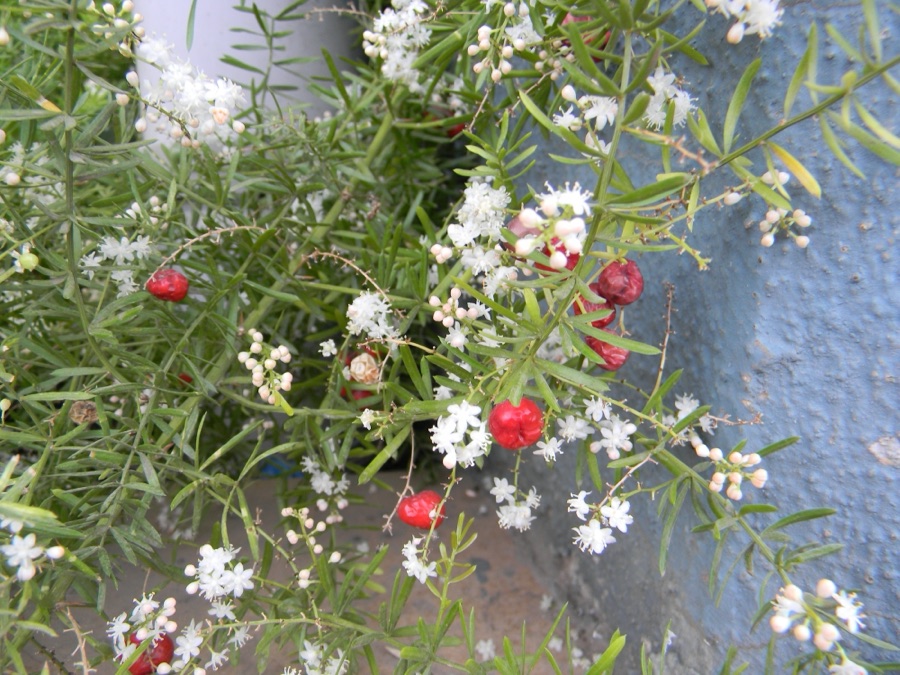
Photo: Neha.Vindhya · CC BY-SA 3.0 · Wikimedia Commons

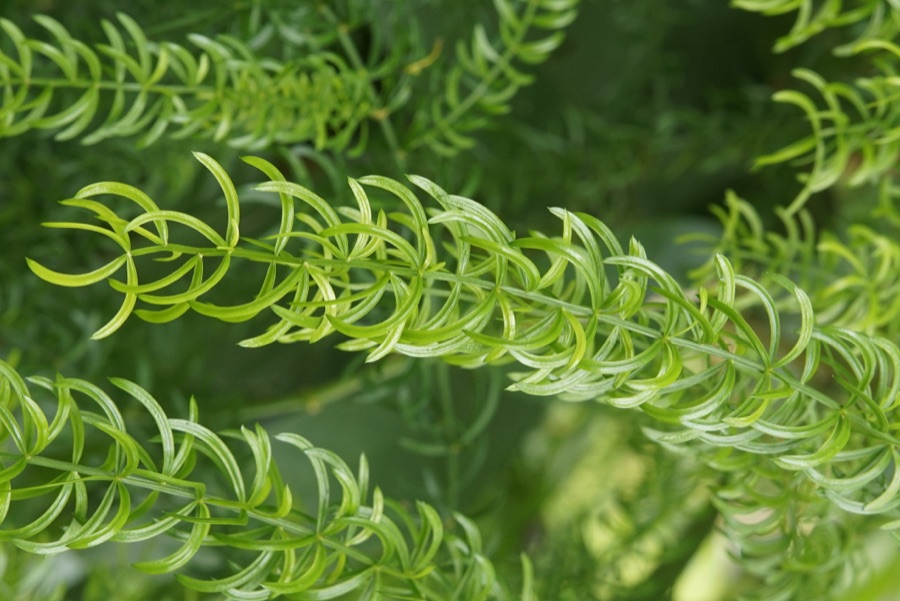
Photo: Vengolis · CC BY-SA 4.0 · Wikimedia Commons

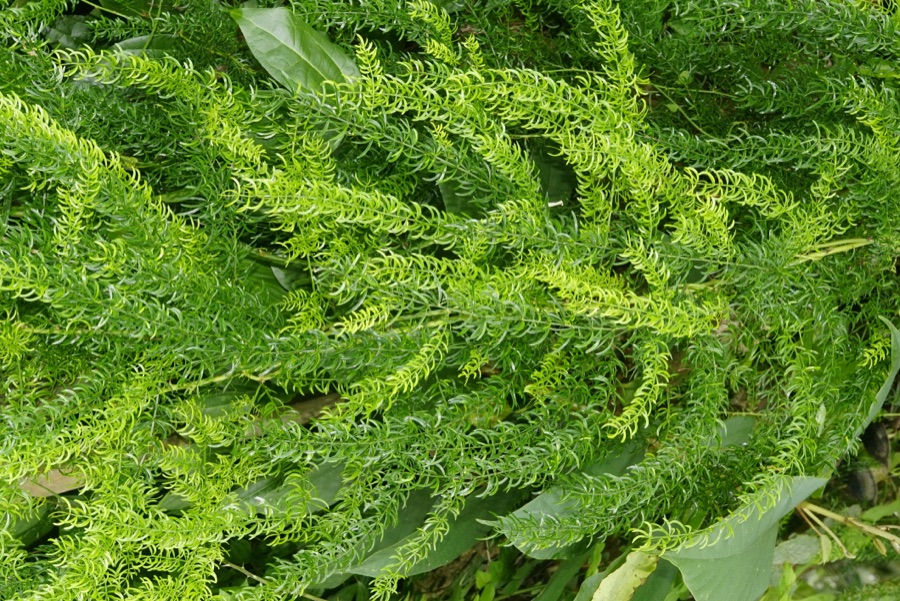
Photo: Vengolis · CC BY-SA 4.0 · Wikimedia Commons

Matra and anupana
AS THE CLASSICAL TEXTS AND THE API PRESCRIBE
| Churna | 3–6 g |
| Swarasa | 10–20 ml |
| Kwatha | 50–100 ml |
| Anupana | Dugdha · Ghrita · Sharkara |
| Kala | Pragbhakta |
Dugdha is the classical anupana for stanyajanana and for its use as a pitta-pacifying rasayana.
Reported from Sharangadhara Samhita and the Ayurvedic Pharmacopoeia of India. Laisha states what the texts prescribe; it does not recommend. No quantity here is adjusted for a particular person — not for agni, koshtha, bala, age, pregnancy, kidney or liver function, or anything already being taken.
Pharmacopoeial standard
Ayurvedic Pharmacopoeia of India, Part I
| Marker | Shatavarin IV on TLC |
| Assay | As the monograph gives |
| Total ash | Total ash not more than 6 per cent |
| Acid-insoluble ash | Not more than 1 per cent |
| Alcohol-soluble extractive | Alcohol-soluble extractive not less than 8 per cent |
| Water-soluble extractive | Water-soluble extractive not less than 45 per cent |
| Foreign matter | Foreign matter not more than 2 per cent |
Other Asparagus species are widely substituted and are not distinguishable by eye once the root is peeled and dried.
These are the pharmacopoeial limits for the article, not a test Laisha has run on anything. They are here so a practitioner can ask a supplier for a certificate of analysis and know what the numbers on it should say.
Rasapanchaka
| Rasa | MadhuraTikta |
| Guna | GuruSnigdha |
| Virya | Sheeta |
| Vipaka | Madhura |
| Prabhava | Classified as rasayana, and specifically as a rasayana for women in the classical literature. The texts also place it among the balya dravya. |
| Doshakarma | Vatapittahara. Being guru and snigdha it is capable of increasing kapha, which the texts note. |
Madhura predominant with tikta. Madhura rasa with sheeta virya and madhura vipaka is the combination the texts associate with its action on pitta.
Karma and part used
These are the actions the classical texts record. They are statements about what the tradition holds, and this library does not restate them as findings about a human body.
| Upayukta anga | Mula (the tuberous root) |
| Why it matters | The tuberous root is the dravya. The aerial shoot, which is what the related garden asparagus is eaten for, is not the article here. |
Paryaya
Shatavari and Shatamuli both describe the same feature — the hundred roots — and the name is read as a description of the plant's tuberous cluster.
Names, by language
| English | Indian asparagus |
| Sinhala | Hathawariya |
| Nepali | Kurilo |
| Hindi | Satavar |
| Kannada | Halavu makkala balli |
| Tamil | Thanneervittan kizhangu |
| Telugu | Pilli-peesara |
| Malayalam | Shatavari |
| Marathi | Shatavari |
| Gujarati | Shatavari |
| Bengali | Shatamuli |
| Punjabi | Satavar |
| Odia | Chhotaru |
| Urdu | Satawar |
Classical references
Rasa, guna, virya, vipaka and karma are recorded as the classical texts give them, with the text and section named so a student can open the book and check. Where an exact chapter and verse could not be confirmed, this library names the section rather than inventing a number.
Formulations it appears in
| Shatavari Kalpa | A preparation named for the dravya. |
| Shatavari Ghrita | A ghee preparation named for it. |
| Chyawanprash | Present among the dravya of the formulation. |
| Phala Ghrita | Shatavari is among the principal dravya. |
Adulterants and substitutes
Other Asparagus species are collected and sold as shatavari across its range, and peeled bleached roots of unrelated plants also appear in loose markets. Because the root is usually sold peeled and dried, almost every distinguishing feature has been removed before a buyer sees it.
Identity
Matched live against the GBIF backbone on 28 September 2026 at 99 per cent confidence. Several Asparagus species are collected and sold under the same vernacular names across India, and the roots are difficult to tell apart once dried and bleached.
A WAY TO REMEMBER IT
Asparagus is the Greek asparagos. Racemosus means flowers in a raceme. Shatavari means she who has a hundred roots — and the tuberous cluster is exactly that.
What the tradition holds
Shatavari is classed among the rasayana and balya dravya and is described in the classical literature as a rasayana for women. That is what the tradition holds and where it is written down; it is a record of practice, not a finding about what the root does in a body.
Constituents. The root carries steroidal saponins, known collectively as shatavarins, together with polysaccharides and mucilage. The mucilage content is part of why the root is described as guru and snigdha.
What the evidence says
| Status | Traditional use is extensive and long recorded. Modern clinical evidence is limited. |
| Suggested | Health Canada publishes monographs covering Ayurvedic ingredients and permits specific traditional-use claims, which reflects a regulator accepting a documented tradition rather than a body of clinical trial evidence. |
| Not established | There is not enough good clinical evidence to establish an effect on any named health condition. Long traditional use is not a substitute for that evidence, and this library does not present it as one. |
| The honest gap | Most published work uses extracts standardised to shatavarin content, which is not the same material as a root powder bought whole, and results from one do not carry across to the other. |
Safety
Generally well tolerated in traditional use. The cautions that matter are an allergy risk in people sensitive to the asparagus family, its guru and snigdha nature in people with sluggish digestion, and the general rule that a concentrated extract is not a root. Anyone pregnant, breastfeeding, on medication or managing a hormone-sensitive condition should speak to a doctor or a qualified practitioner first.
| Side effects | Digestive heaviness Allergic reaction in those sensitive to asparagus |
| Contraindications | Known allergy to asparagus or its relatives. No other absolute contraindication is documented here. This is written deliberately rather than left blank. |
| Interactions | Diuretics — mild additive diuresis reported. Oestrogen-sensitive conditions — the phytoestrogenic reputation is not well established, but it is the reason to ask rather than assume in hormone-sensitive disease. |
| Pregnancy and breastfeeding | Traditionally used in and after pregnancy, and that tradition is long and well recorded. Modern evidence is not sufficient to establish safety either way, so a qualified practitioner should be asked first rather than relying on the tradition alone. |
Growing it
| Climate | Tropical and subtropical, from the plains into the lower hills. |
| Soil | Well-drained loam or gravelly soil; the tubers rot in wet ground. |
| Planting | Grown from seed or from crown divisions, trained on a support since it is a climber. |
| Harvest | Roots are lifted from the second year onward, in the dry season, then peeled and dried. |
| What is not stated | This library has not verified region-specific spacing, variety and yield figures against a named agricultural authority for every growing country, and does not state them rather than guessing. |
Check this page
Print it and the code still works. It goes to this page and nowhere else.
What this is not
- This is a study and clinical reference for practitioners and students. The matra and anupana it records are what the classical texts and the Ayurvedic Pharmacopoeia of India PRESCRIBE — Laisha reports them, it does not recommend them. They are not a prescription for any particular person, and they are not adjusted for your age, agni, koshtha, bala, pregnancy, kidney or liver function, or anything else you are already taking. Only a qualified practitioner who has examined you can do that.
- Traditional classification is recorded as what the classical texts say, with the text and the place in it named so it can be checked. It is not restated as a finding about a human body.
- Nothing here replaces a qualified Ayurvedic practitioner or a doctor.
Sources
https://api.gbif.org/v1/species/match?name=Asparagus%20racemosus%20Willd.
https://pcimh.gov.in/
https://www.canada.ca/en/health-canada/services/drugs-health-products/natural-non-prescription/applications-submissions/product-licensing/compendium-monographs.html
https://niimh.nic.in/ebooks/esharangadhara/