Vasa
वासा
Justicia adhatoda L.
Acanthaceae · Justicia
One name, more than one plant
Matched live against the GBIF backbone on 28 September 2026 at 99 per cent confidence. Adhatoda vasica is a synonym and is the name most Ayurvedic literature uses; they are not two plants.
Benefits & side effects
TRADITIONAL VIEW, WITH SAFETY LIMITS
Hindi name: Adusa
What the texts say Vasa does
- Kasahara — relieves cough
- Shwasahara — relieves breathlessness
- Raktastambhana — checks bleeding (haemostatic)
- Jwaraghna — used in fever
- Kaphaghna — pacifies kapha
- Vranashodhana — cleans wounds
What the evidence says. Traditional use is extensive and long recorded. Modern clinical evidence is limited.
Side effects and limits
- Nausea and vomiting
- Digestive upset
- Bitterness
Avoid or ask first: Pregnancy — absolutely.; Breastfeeding.
A traditional classification, not a recommendation. The full safety record is below.
Stands in 1 group
- Krimighna — Destroying worms (named there as Vrisha)
A Samhita can only be read forwards, from the group to its members. This is the same list read backwards.
Photographs
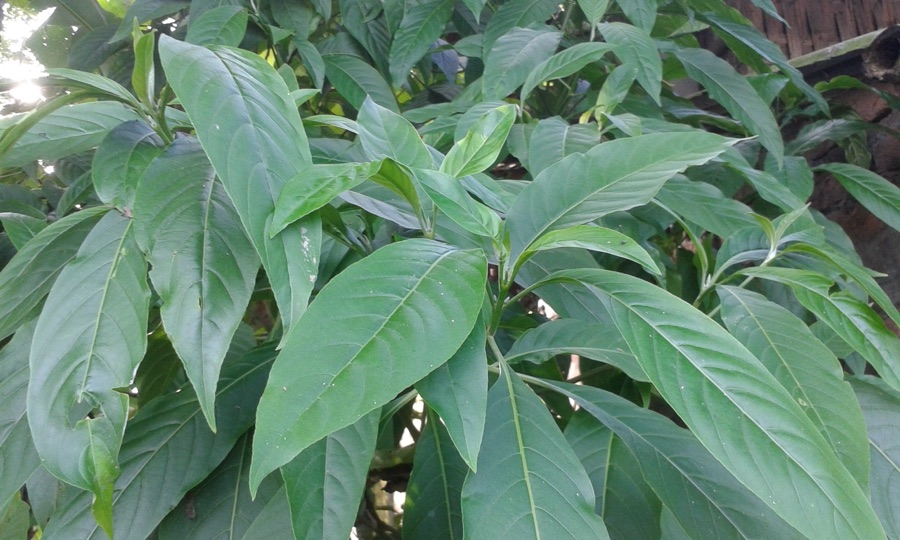
Photo: দিব্য দত্ত · CC BY-SA 4.0 · Wikimedia Commons

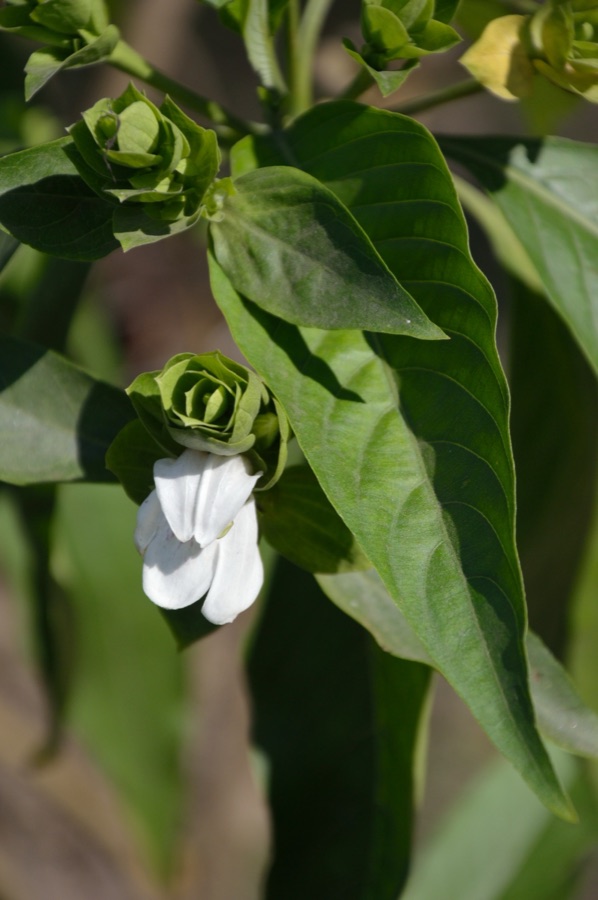
Photo: Biswarup Ganguly · CC BY 3.0 · Wikimedia Commons

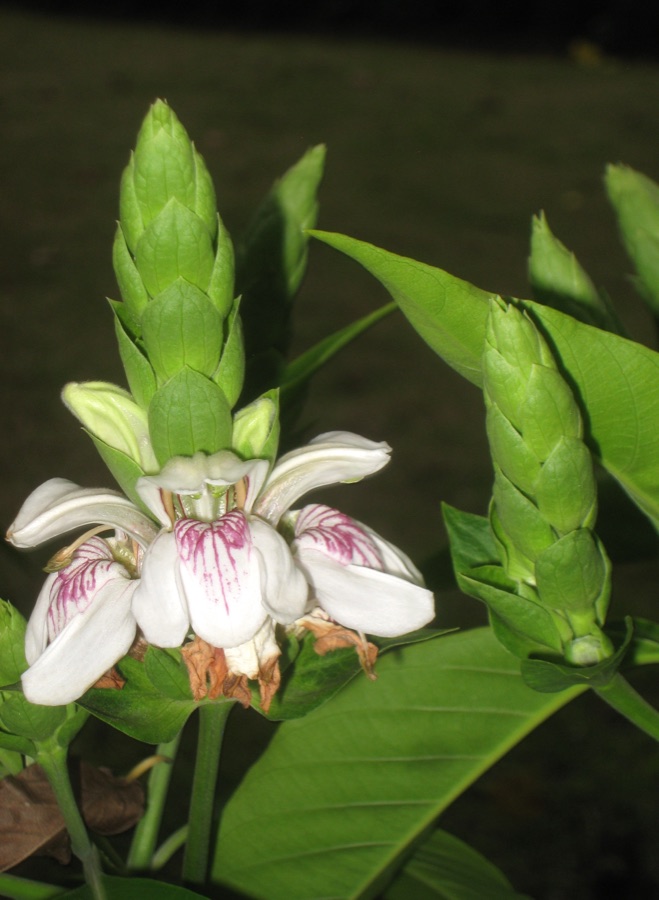
Photo: Daderot · Public domain · Wikimedia Commons

Matra and anupana
AS THE CLASSICAL TEXTS AND THE API PRESCRIBE
| Swarasa | 10–20 ml |
| Kwatha | 50–100 ml |
| Churna | 1–3 g |
| Anupana | Madhu |
| Kala | Adhobhakta |
Madhu is the classical anupana in raktapitta and kasa. Uterotonic — contraindicated in pregnancy.
Reported from Sharangadhara Samhita and the Ayurvedic Pharmacopoeia of India. Laisha states what the texts prescribe; it does not recommend. No quantity here is adjusted for a particular person — not for agni, koshtha, bala, age, pregnancy, kidney or liver function, or anything already being taken.
Pharmacopoeial standard
Ayurvedic Pharmacopoeia of India, Part I
| Marker | Vasicine |
| Assay | Not less than 0.5 per cent |
| Total ash | Total ash not more than 20 per cent |
| Acid-insoluble ash | Not more than 2 per cent |
| Alcohol-soluble extractive | Alcohol-soluble extractive not less than 2 per cent |
| Water-soluble extractive | Water-soluble extractive not less than 12 per cent |
| Foreign matter | Foreign matter not more than 2 per cent |
Vasicine is both the marker and the reason for the pregnancy contraindication — it is uterotonic, and the per cent is the exposure.
These are the pharmacopoeial limits for the article, not a test Laisha has run on anything. They are here so a practitioner can ask a supplier for a certificate of analysis and know what the numbers on it should say.
Rasapanchaka
| Rasa | TiktaKashaya |
| Guna | LaghuRuksha |
| Virya | Sheeta |
| Vipaka | Katu |
| Prabhava | Vasa is the dravya the classical literature names first and most emphatically for raktapitta, bleeding, and for cough. The paryaya Bhishangmata records how highly it was held. |
| Doshakarma | Kaphapittahara. Being ruksha and sheeta it can increase vata. |
Tikta and kashaya with sheeta virya and katu vipaka. The sheeta virya is what separates it from the other cough dravya, most of which are ushna.
Karma and part used
These are the actions the classical texts record. They are statements about what the tradition holds, and this library does not restate them as findings about a human body.
| Upayukta anga | Patra (the leaf) Mula (the root) Pushpa (the flower) |
| Why it matters | The leaf is the dravya most used. The root and flower are used separately, and the root is considered gentler. |
Paryaya
Simhasya, lion's mouth, describes the flower. Bhishangmata — mother of physicians — is the paryaya worth remembering: the texts hold that no physician need despair while vasa exists, which is as strong a statement as the nighantus make about any single plant.
Names, by language
| English | Malabar nut |
| Sinhala | Adhatoda |
| Nepali | Asuro |
| Hindi | Adusa |
| Kannada | Adusoge |
| Tamil | Adathodai |
| Telugu | Addasaramu |
| Malayalam | Adalodakam |
| Marathi | Adulsa |
| Gujarati | Ardusi |
| Bengali | Bakas |
| Punjabi | Bhekkar |
| Odia | Basanga |
| Urdu | Arusa |
Classical references
Rasa, guna, virya, vipaka and karma are recorded as the classical texts give them, with the text and section named so a student can open the book and check. Where an exact chapter and verse could not be confirmed, this library names the section rather than inventing a number.
Formulations it appears in
| Vasarishta | A fermented preparation named for the dravya. |
| Vasavaleha | A linctus named for the dravya. |
| Vasa Kwatha | Named for the dravya. |
| Sitopaladi Churna | Vasa appears in some recensions. |
Adulterants and substitutes
Other Justicia species are collected with it. The more common problem is age: leaves that have stood lose their alkaloid content, and old stock is bulked into new. The plant is distinctive enough in the field that misidentification is uncommon compared with most dravya in this library.
Identity
Matched live against the GBIF backbone on 28 September 2026 at 99 per cent confidence. Adhatoda vasica is a synonym and is the name most Ayurvedic literature uses; they are not two plants.
A WAY TO REMEMBER IT
Justicia honours James Justice. Adhatoda is from the Tamil adhu-thodai, goat-does-not-touch-it — the plant goats refuse. The epithet is a sentence in Tamil.
What the tradition holds
Vasa is named in the Charaka Samhita among the dravya used where there is bleeding, and is described in the Bhavaprakasha Nighantu. That is what the tradition holds and where it is written down, not a finding about what the leaf does in a body.
Constituents. The leaf carries quinazoline alkaloids, principally vasicine and vasicinone. Vasicine is the basis of the documented uterine action described below.
What the evidence says
| Status | Traditional use is extensive and long recorded. Modern clinical evidence is limited. |
| Suggested | Health Canada publishes monographs covering Ayurvedic ingredients and permits specific traditional-use claims, which reflects a regulator accepting a documented tradition rather than a body of clinical trial evidence. |
| Not established | There is not enough good clinical evidence to establish an effect on any named health condition. Long traditional use is not a substitute for that evidence, and this library does not present it as one. |
| The honest gap | Published work uses isolated vasicine or standardised extract more often than the leaf as prepared traditionally. |
Safety
The important caution is in pregnancy and it is specific rather than precautionary. Vasicine, the principal alkaloid, has a documented action on the uterus and has been investigated as an abortifacient. Vasa is therefore contraindicated in pregnancy outright, and this is one of the few dravya where the tradition and the pharmacology agree on the reason. Vasa is also used for cough and for coughing blood, and coughing blood is a symptom that needs a doctor and a diagnosis, not a herb. Anyone on medication, pregnant, or managing a diagnosed condition should speak to a doctor or a qualified practitioner first.
| Side effects | Nausea and vomiting Digestive upset Bitterness |
| Contraindications | Pregnancy — absolutely. Breastfeeding. |
| Interactions | Uterotonic — vasicine stimulates the uterus. Contraindicated in pregnancy; relevant alongside oxytocics. Antidiabetic medicines — modest lowering reported. |
| Pregnancy and breastfeeding | Not to be used in pregnancy in any quantity or form. Not to be used while breastfeeding. |
Growing it
| Climate | Tropical and subtropical; a hardy shrub found across India. |
| Soil | Almost any, including poor and dry ground. |
| Planting | Grown easily from cuttings. Often planted as a hedge. |
| Harvest | Leaves are picked from established bushes and used fresh or dried quickly in shade. |
| What is not stated | This library has not verified region-specific spacing, variety and yield figures against a named agricultural authority for every growing country, and does not state them rather than guessing. |
Check this page
Print it and the code still works. It goes to this page and nowhere else.
What this is not
- This is a study and clinical reference for practitioners and students. The matra and anupana it records are what the classical texts and the Ayurvedic Pharmacopoeia of India PRESCRIBE — Laisha reports them, it does not recommend them. They are not a prescription for any particular person, and they are not adjusted for your age, agni, koshtha, bala, pregnancy, kidney or liver function, or anything else you are already taking. Only a qualified practitioner who has examined you can do that.
- Traditional classification is recorded as what the classical texts say, with the text and the place in it named so it can be checked. It is not restated as a finding about a human body.
- Nothing here replaces a qualified Ayurvedic practitioner or a doctor.
Sources
https://api.gbif.org/v1/species/match?name=Justicia%20adhatoda
https://pcimh.gov.in/
https://www.canada.ca/en/health-canada/services/drugs-health-products/natural-non-prescription/applications-submissions/product-licensing/compendium-monographs.html
https://niimh.nic.in/ebooks/esharangadhara/