Vidari
विदारी
Pueraria tuberosa (Willd.) DC.
Fabaceae · Pueraria
Benefits & side effects
TRADITIONAL VIEW, WITH SAFETY LIMITS
Hindi name: Bidarikand
What the texts say Vidari does
- Brimhana — nourishing, builds tissue
- Vrishya — aphrodisiac, supports reproductive vigour
- Balya — strengthening
- Stanyajanana — promotes breast milk
- Mutrala — diuretic
- Rasayana — rejuvenative
What the evidence says. Traditional use is extensive and long recorded. Modern clinical evidence is limited.
Side effects and limits
- Digestive heaviness
- Loose stool in quantity
Avoid or ask first: Hormone-sensitive conditions, in light of the above.
A traditional classification, not a recommendation. The full safety record is below.
Stands in 4 groups
- Kanthya — Good for the voice and throat
- Angamardaprashamana — Allaying body ache
- Vidarigandhadi — Vata disorders and the wasting states
- Valli Panchamula — The five creeper roots
A Samhita can only be read forwards, from the group to its members. This is the same list read backwards.
Photographs
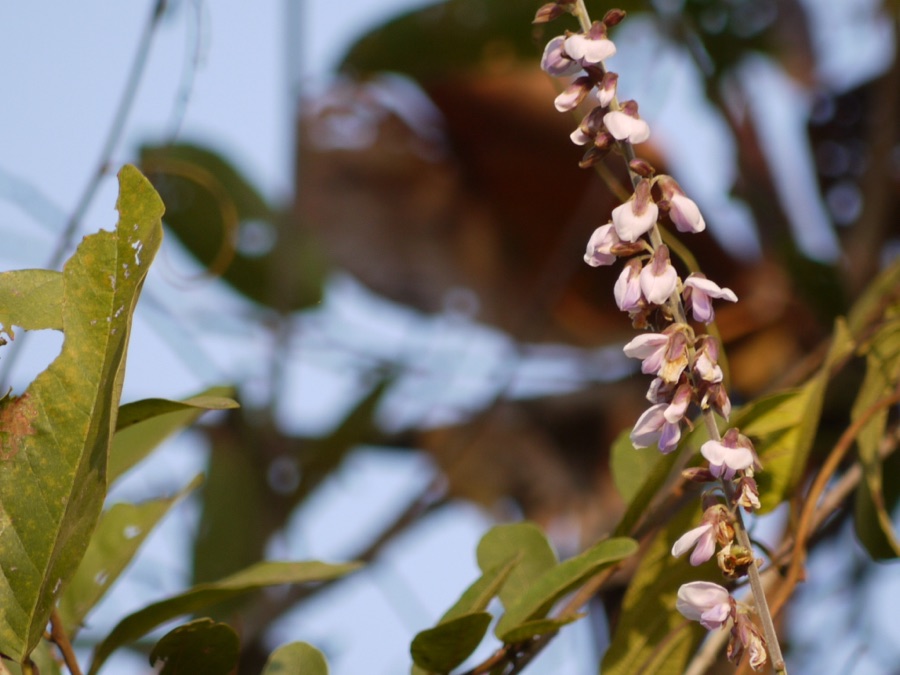
Photo: Dinesh Valke from Thane, India · CC BY-SA 2.0 · Wikimedia Commons

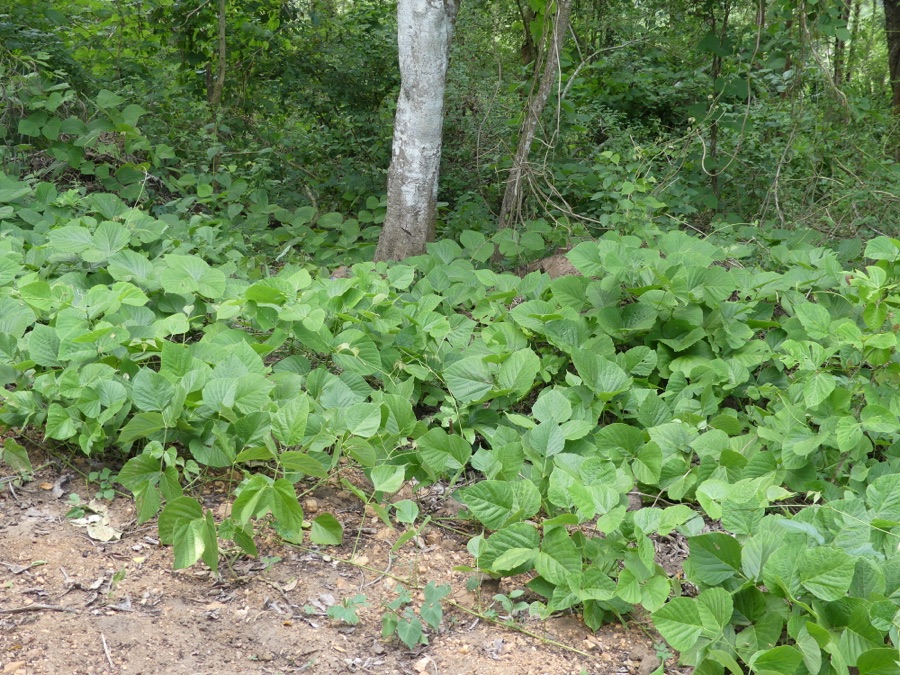
Photo: A. J. T. Johnsingh, WWF-India and NCF · CC BY-SA 4.0 · Wikimedia Commons

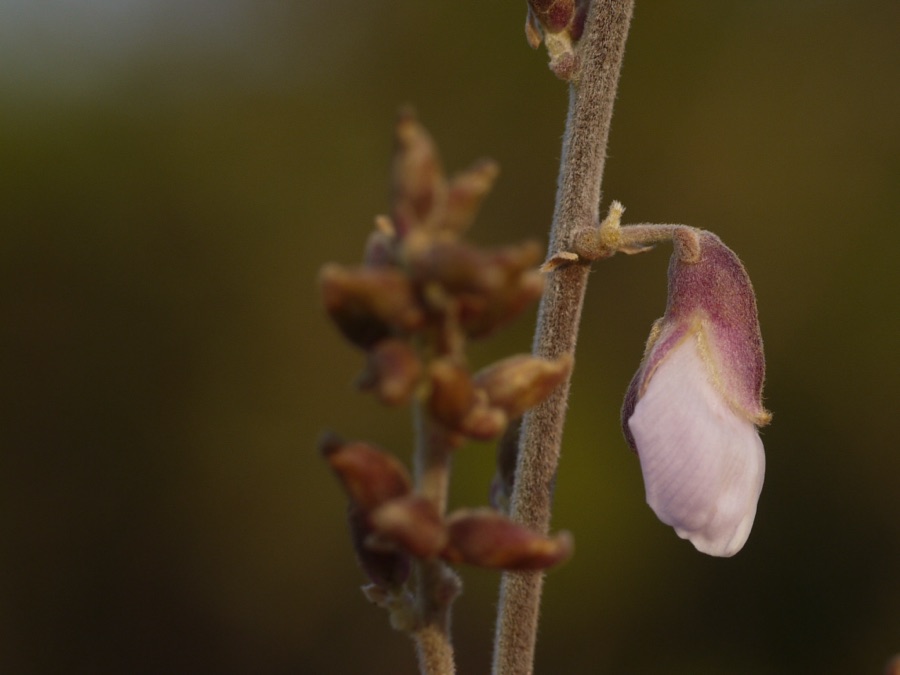
Photo: Dinesh Valke from Thane, India · CC BY-SA 2.0 · Wikimedia Commons

Matra and anupana
AS THE CLASSICAL TEXTS AND THE API PRESCRIBE
| Kanda churna | 3–6 g |
| Swarasa | 10–20 ml |
| Anupana | Dugdha · Ghrita · Sharkara |
| Kala | Pragbhakta |
Classical brimhana, vrishya and stanyajanana. Ipomoea digitata is sold as Bhumikushmanda in its place.
Reported from Sharangadhara Samhita and the Ayurvedic Pharmacopoeia of India. Laisha states what the texts prescribe; it does not recommend. No quantity here is adjusted for a particular person — not for agni, koshtha, bala, age, pregnancy, kidney or liver function, or anything already being taken.
Rasapanchaka
| Rasa | Madhura |
| Guna | GuruSnigdha |
| Virya | Sheeta |
| Vipaka | Madhura |
| Prabhava | The texts treat vidari as brimhana and vrishya and pair it with shatavari where the body needs building. |
| Doshakarma | Vatapittahara. Being guru and snigdha it increases kapha. |
A single rasa, madhura, with sheeta virya and madhura vipaka — the cleanest brimhana profile in the materia medica.
Karma and part used
These are the actions the classical texts record. They are statements about what the tradition holds, and this library does not restate them as findings about a human body.
| Upayukta anga | Kanda (the tuberous root) |
| Why it matters | The large tuber is the dravya, sweet and starchy. |
Paryaya
Swadukanda means sweet tuber and Bhumikushmanda means earth-pumpkin: both describe the large sweet root, which is how it is recognised and why it is used as a brimhana dravya.
Names, by language
| English | Indian kudzu |
| Sinhala | Vidari |
| Nepali | Bhuikumro |
| Hindi | Bidarikand |
| Kannada | Nelagumbala |
| Tamil | Nilappusani |
| Telugu | Nelagummadi |
| Malayalam | Mutakku |
| Marathi | Bhuikohala |
| Gujarati | Vidarikand |
| Bengali | Bhuikumra |
| Punjabi | Sural |
| Odia | Bhuin kakharu |
| Urdu | Vidarikand |
Classical references
Rasa, guna, virya, vipaka and karma are recorded as the classical texts give them, with the text and section named so a student can open the book and check. Where an exact chapter and verse could not be confirmed, this library names the section rather than inventing a number.
Formulations it appears in
| Vidaryadi Kwatha | Named for the dravya. |
| Vidaryadi Ghrita | Named for the dravya. |
| Chyawanprash | Among the dravya of the formulation. |
Adulterants and substitutes
Ipomoea digitata, a Convolvulaceae, is sold as Vidari across much of India and is sometimes distinguished as Kshira Vidari. It is a different family with different chemistry. Because both are large starchy tubers, a dried and cut sample is very hard to tell apart, and the market treats the names as interchangeable when the plants are not.
Identity
Matched live against the GBIF backbone on 28 September 2026 at 99 per cent confidence. Ipomoea digitata is widely sold as Vidari and is an unrelated family; that substitution is set out below.
A WAY TO REMEMBER IT
Pueraria honours Marc Puerari. Tuberosa means bearing a tuber, which is the part used. Vidari means the one that tears, for how the tuber splits the ground.
What the tradition holds
Vidari is described in the Bhavaprakasha Nighantu and is named in the classical literature among the brimhana dravya. That is what the tradition holds and where it is written down, not a finding about what the tuber does in a body.
Constituents. The tuber carries isoflavones including puerarin and daidzein, which are phytoestrogens — plant compounds with oestrogen-like activity. That is the basis of the caution below.
What the evidence says
| Status | Traditional use is extensive and long recorded. Modern clinical evidence is limited. |
| Suggested | Health Canada publishes monographs covering Ayurvedic ingredients and permits specific traditional-use claims, which reflects a regulator accepting a documented tradition rather than a body of clinical trial evidence. |
| Not established | There is not enough good clinical evidence to establish an effect on any named health condition. Long traditional use is not a substitute for that evidence, and this library does not present it as one. |
| The honest gap | Published work on Pueraria largely concerns Pueraria lobata, a different species used in Chinese medicine, and should not be read across. |
Safety
The caution here is hormonal and specific. The tuber carries isoflavones with oestrogen-like activity, so it is not a neutral herb for anyone with a hormone-sensitive condition, and it can interact with hormonal medicines. Someone buying Vidari may well receive Ipomoea digitata instead, which has a different composition entirely. Anyone on medication, pregnant, or managing a diagnosed condition should speak to a doctor or a qualified practitioner first.
| Side effects | Digestive heaviness Loose stool in quantity |
| Contraindications | Hormone-sensitive conditions, in light of the above. |
| Interactions | No specific drug interaction is documented for this dravya. That is the honest state of the evidence, not a statement that none exists — most Ayurvedic dravya have never been studied for interaction. Tell the prescribing doctor it is being taken. Oestrogen-sensitive conditions — Pueraria species carry isoflavones with oestrogenic activity. |
| Pregnancy and breastfeeding | There is not enough evidence to establish safety in pregnancy or breastfeeding, and a qualified practitioner should be asked first. |
Growing it
| Climate | Tropical and subtropical; a woody climber of forest and scrub. |
| Soil | Deep, well-drained ground. A legume, so it fixes its own nitrogen. |
| Planting | Grown from seed or tuber pieces; needs support to climb. |
| Harvest | Tubers lifted from plants of two years or more, sliced and dried. |
| What is not stated | This library has not verified region-specific spacing, variety and yield figures against a named agricultural authority for every growing country, and does not state them rather than guessing. |
Check this page
Print it and the code still works. It goes to this page and nowhere else.
What this is not
- This is a study and clinical reference for practitioners and students. The matra and anupana it records are what the classical texts and the Ayurvedic Pharmacopoeia of India PRESCRIBE — Laisha reports them, it does not recommend them. They are not a prescription for any particular person, and they are not adjusted for your age, agni, koshtha, bala, pregnancy, kidney or liver function, or anything else you are already taking. Only a qualified practitioner who has examined you can do that.
- Traditional classification is recorded as what the classical texts say, with the text and the place in it named so it can be checked. It is not restated as a finding about a human body.
- Nothing here replaces a qualified Ayurvedic practitioner or a doctor.
Sources
https://api.gbif.org/v1/species/match?name=Pueraria%20tuberosa
https://pcimh.gov.in/
https://www.canada.ca/en/health-canada/services/drugs-health-products/natural-non-prescription/applications-submissions/product-licensing/compendium-monographs.html
https://niimh.nic.in/ebooks/esharangadhara/