 Laisha
AI Operating System for Agriculture
Enter Laisha
Laisha
AI Operating System for Agriculture
Enter Laisha
Musa textilis · Also called: Abaca (manila hemp), Manila hemp, Abacá, Manila, Cebu hemp, Davao hemp, Chanvre de Manille, Abacá de Manila
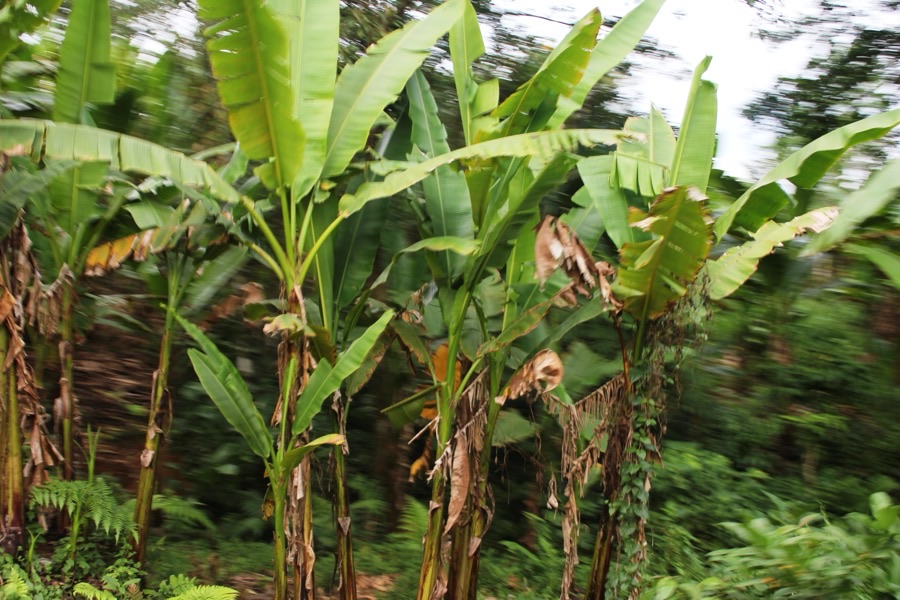
Photo: MarvinBikolano, CC BY-SA 4.0 (Wikimedia Commons)
Abaca gives one of the strongest natural fibres in the world and the only common one that holds its strength in salt water, which is why it rigged sailing ships for two centuries. The Philippines produces the overwhelming majority of it, with Ecuador and Costa Rica also growing it. Its modern market is not rope at all: abaca goes into teabags, coffee filters, sausage casings, banknote paper and technical filters, all of which need a long strong fibre that ordinary wood pulp cannot give. For a smallholder it has an unusual shape. It grows in shade, so it fits under coconut on land already working; once established it is cut every few months for ten years or more from the suckers that keep coming; and the fibre keeps indefinitely once dry. What it asks in return is skilled hand work at every harvest, and a serious watch for two virus diseases that can end a plantation.
If you see: Plants whose newest leaves come out short, narrow and upright, bunched at the top like a rosette, with wavy yellow edges, and short dark green dashes visible along the leaf stalks when held to the light.
It likely means: Bunchy top virus. It is spread by aphids and by planting material, it cannot be cured, and it has destroyed plantations across the growing regions.
Do this: Kill the aphids on the plant before cutting it down, because disturbing it sends them onto the neighbours carrying the virus.
If you see: Yellow streaks and mottled patterns running along the leaf blades, with plants that stay small and give thin weak sheaths.
It likely means: Abaca mosaic, the second virus of this crop. Like bunchy top it is spread by aphids and by planting material and cannot be cured.
Do this: Remove and destroy affected plants, corm and all, rather than leaving them in the plantation.
If you see: A plantation flattened or snapped after a storm, with stems broken part way up and leaves shredded.
It likely means: Wind. Abaca has no woody stem at all and is one of the least wind-firm crops there is.
Do this: Plant in sheltered valleys and behind windbreaks rather than on exposed slopes and ridges.
If you see: Fibre that is graded down as coarse, discoloured or short, from stems that looked perfectly good when they were cut.
It likely means: Layers were mixed, the stripping was rushed or done with the wrong knife, or the sheaths dried out before they were stripped.
Do this: Keep the outer sheaths and the inner sheaths separate from the moment you pull them apart.
If you see: Fibre with grey or brown staining and grit in it after drying, rather than an even pale colour.
It likely means: It was dried on the ground, or washed in dirty water, or left lying in the sap before it was washed.
Do this: Hang fibre over a line or bamboo rail to dry and never lay it on the ground.
If you see: Clumps that produce fewer and thinner stems year after year, with the fibre getting shorter and weaker.
It likely means: Crowding, exhaustion of the soil after years of cutting, or a virus building up quietly in the stand.
Do this: Thin each clump to a manageable number of stems of different ages rather than letting it crowd itself.
If you see: Plants that yellow, topple at the base and lift out easily, with soft brown rotted corms, usually in the lowest and wettest parts of the plantation.
It likely means: Rot at the corm, which is a drainage problem before it is anything else.
Do this: Cut drains and keep them open through the wet season rather than digging them after the first flood.
Growing the crop is only part of the job. The last part is knowing what a normal harvest looks like where you are, and knowing what your fibre is worth before you agree a price with anybody.
If you forget every other page of this guide, keep these lines. They are the whole crop, in order, short enough to carry in your head.
This looks like a banana but the leaves are much narrower. What is it?
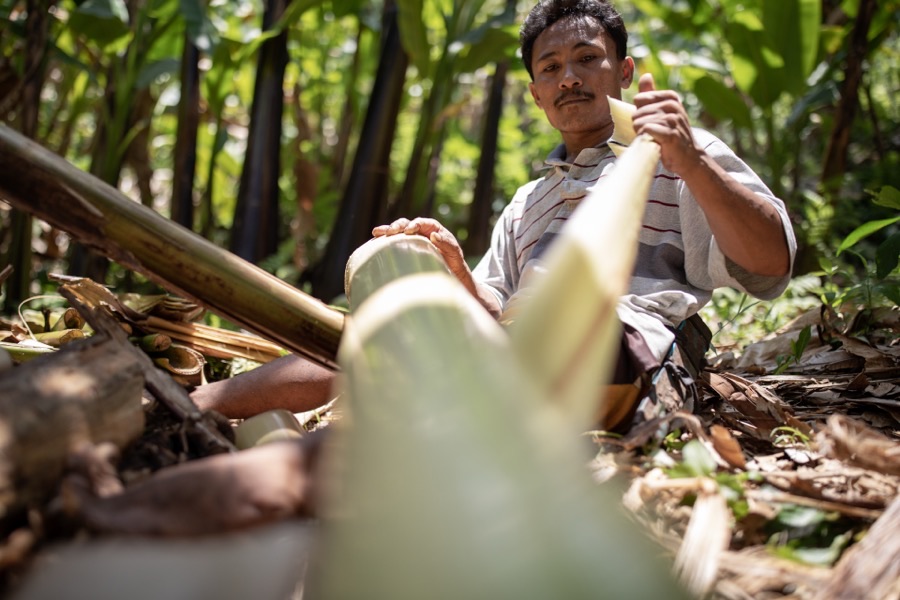
Why is this stem being split into ribbons instead of just being cut up?
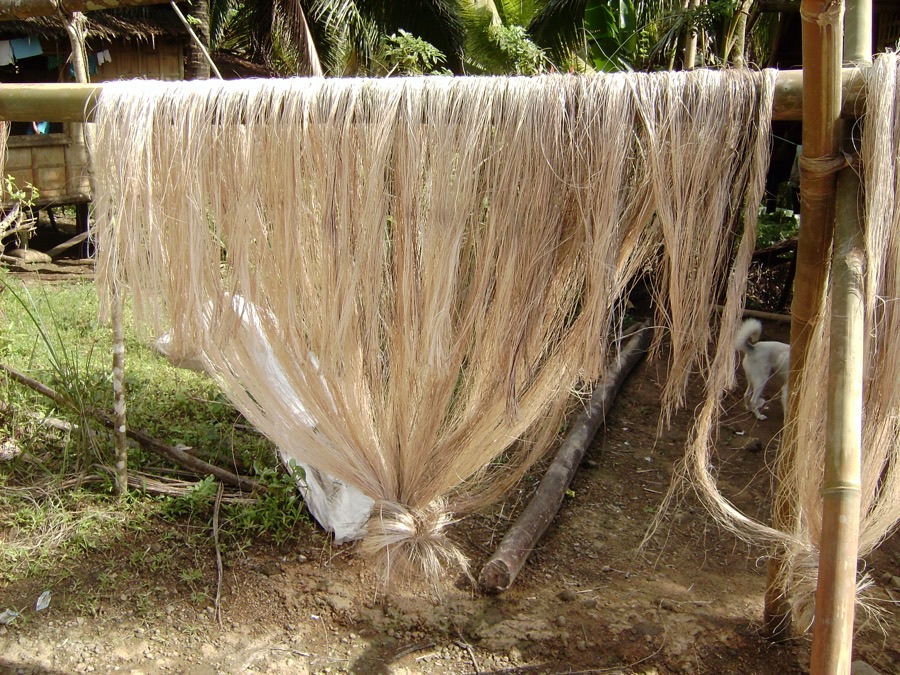
How should the stripped fibre be dried?