 Laisha
AI Operating System for Agriculture
Enter Laisha
Laisha
AI Operating System for Agriculture
Enter Laisha
Ocimum basilicum · Also called: Sweet basil, Common basil, Genovese basil, Thai basil, Basilico, Albahaca, Reyhan, Sabja
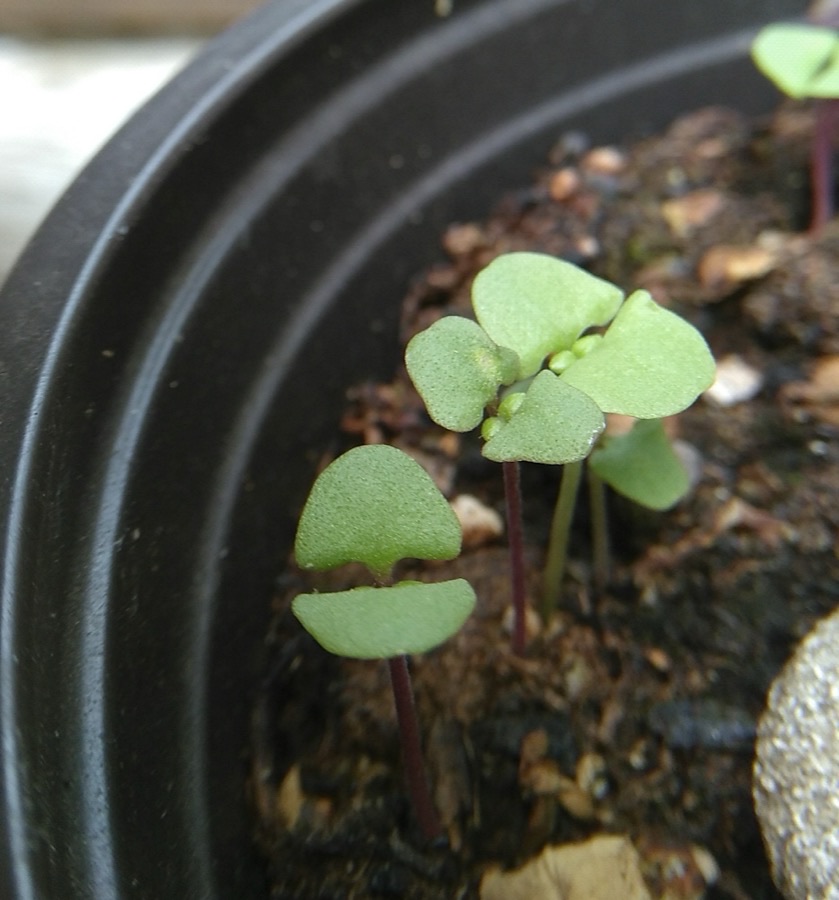
Photo: Eiku en exil, CC BY-SA 4.0 (Wikimedia Commons)
Basil is one of the quickest crops in this library to turn work into money. It is ready to start cutting inside two months, it regrows after every cut, and fresh herbs sell for many times the price per kilogram of any vegetable. That combination suits a grower with a small piece of land and steady access to a market. It is also grown at scale for its oil and, in parts of Asia, for its seed. The catch is that everything which makes it valuable also makes it fragile: the leaf bruises, it blackens in the cold, and a disease that arrived in most of the world only recently can take a whole crop in a wet fortnight. This is a crop that rewards attention rather than acreage.
If you see: Leaves yellowing between the veins, with a grey or purplish fuzz on the underside, spreading quickly through the crop.
It likely means: Downy mildew. It reached most of the world only in recent decades and it is now the most serious disease of this crop.
Do this: Turn leaves over twice a week, since it always shows underneath first.
If you see: Leaves turning black and translucent, often after harvest rather than in the field.
It likely means: Cold damage. Basil is injured by temperatures that other vegetables enjoy, so a night in a cold store or a cold night in the field will do it.
Do this: Never refrigerate fresh basil or store it with vegetables that need cold.
If you see: Flower spikes rising from the tips, the plant slowing down, and the leaves turning bitter and tough.
It likely means: The plant has switched from making leaves to making seed, which is what it wants to do and what you must keep preventing.
Do this: Pinch out the growing tips from when the plant has three or four pairs of leaves.
If you see: Seedlings toppling over at soil level, with a thin pinched stem at the base.
It likely means: Damping off. It is caused by soil fungi that take hold when a seedbed is too wet, too crowded or too cold.
Do this: Sow thinly so that air can move between the seedlings.
If you see: Individual plants wilting and dying, with brown streaks inside the stem when it is cut lengthwise.
It likely means: A wilt disease. It is carried on seed and it survives in soil for years afterwards, so it can arrive in clean ground.
Do this: Buy seed from a reliable supplier rather than saving your own if this has appeared before.
If you see: Leaves with black patches and bruised edges by the time the crop reaches the market.
It likely means: Rough handling. Basil leaf is soft and thin and every crush or fold turns black within hours.
Do this: Cut stems rather than pulling leaves, and handle the cut crop as little as possible.
Growing the crop is only part of the job. The last part is knowing what a normal harvest looks like where you are, and knowing what your basil is worth before you agree a price with anybody.
If you forget every other page of this guide, keep these lines. They are the whole crop, in order, short enough to carry in your head.
What do the seedlings look like?
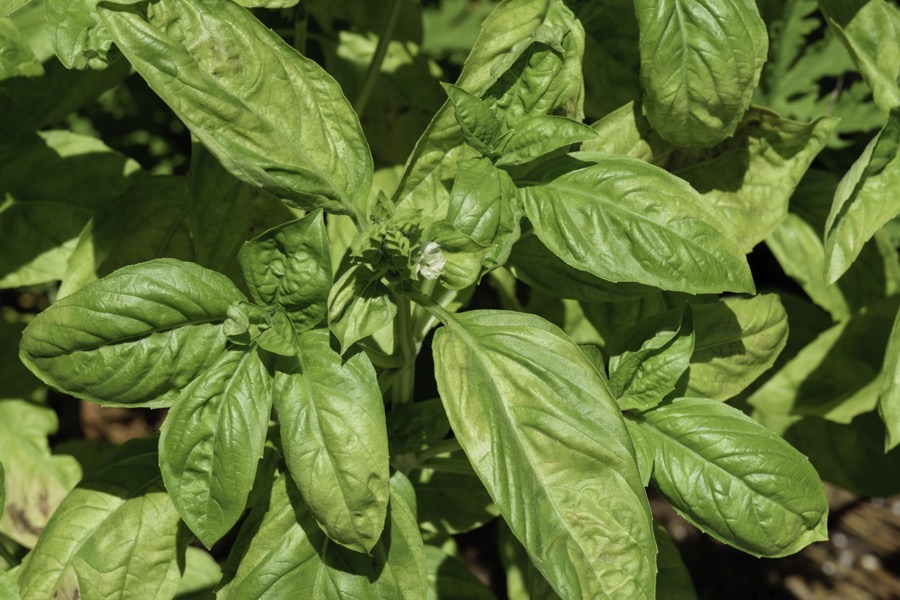
What does a healthy plant look like?
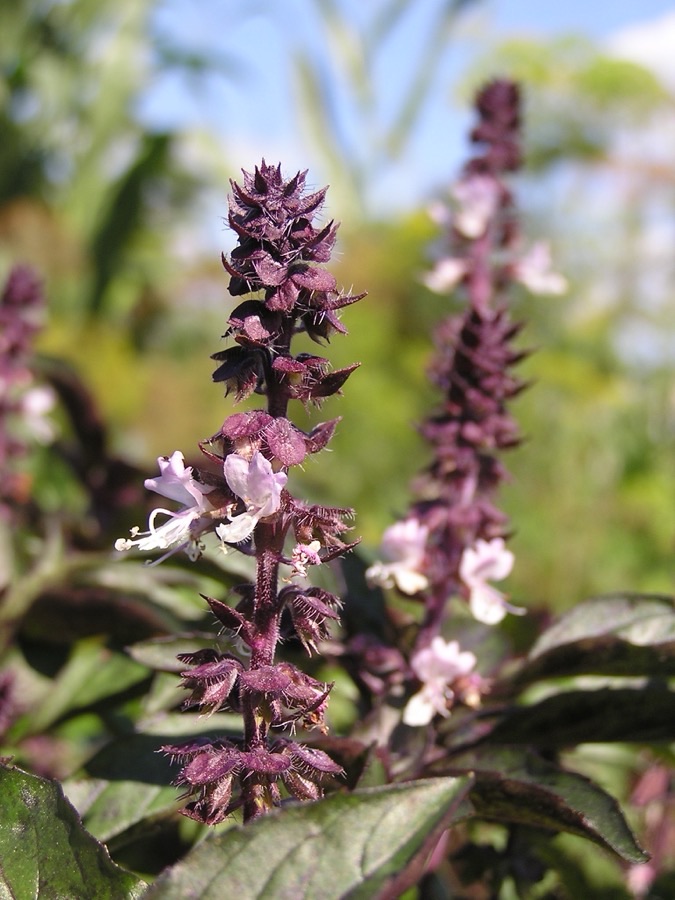
What does a plant that has been allowed to flower look like?