 Laisha
AI Operating System for Agriculture
Enter Laisha
Laisha
AI Operating System for Agriculture
Enter Laisha
Laurus nobilis · Also called: Bay leaf, Sweet bay, True laurel, Laurel, Defne, Alloro, Laurier, Lorbeer
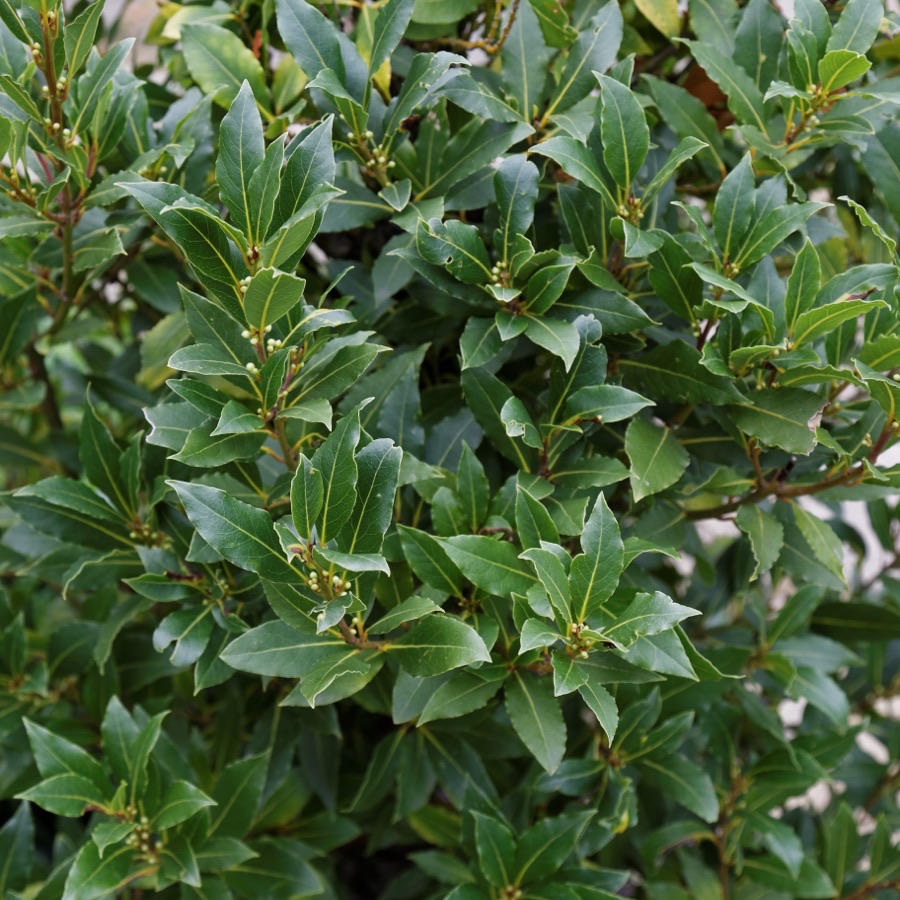
Photo: Acabashi, CC BY-SA 4.0 (Wikimedia Commons)
Bay is a crop where almost nothing that decides the price happens in the field. The tree is slow, undemanding and long-lived; it will stand for decades with very little asked of it. What decides whether a leaf is worth a good price or a poor one is what happens in the three days after it is picked. A leaf dried flat in the shade under a light weight stays flat and green-grey and commands the top grade. The same leaf dried in the sun, or dried loose, goes brown and curls, packs badly and sells for much less. Turkey supplies most of the world's bay leaf, with Greece, Morocco, Portugal, Mexico and Georgia also producing. For a smallholder it is one of the few crops where a few trees and a shaded rack are enough to reach a real export trade.
If you see: Dried leaves that have gone brown and curled up tightly instead of staying flat and green-grey.
It likely means: They were dried in the sun, or dried loose with nothing holding them flat. Both are the commonest way value is lost in this crop.
Do this: Dry in shade in a cool airy place, never in direct sun.
If you see: Leaf edges thickened, rolled downwards, turning yellow and then brown, often with a white waxy powder inside the roll.
It likely means: A sap-feeding insect that lives inside the curled leaf edge. It does not kill the tree but it ruins the leaves, which are the crop.
Do this: Pick off and burn affected leaves as soon as you see them.
If you see: Leaves sticky to the touch and coated in a black sooty film, with small brown bumps on the stems.
It likely means: Scale insects feeding on the stems, excreting sugar, with a black fungus growing on the sugar. The fungus is a symptom, not the cause.
Do this: Deal with the scale insects rather than the black coating, since the coating follows them.
If you see: Leaf tips and edges gone brown, dry and papery after a cold or windy spell.
It likely means: Wind or frost scorch, not a disease. Cold dry wind pulls water out of an evergreen leaf faster than frozen ground can replace it.
Do this: Plant in a sheltered position, or put up a windbreak, since shelter is the whole answer.
If you see: A healthy mature tree that flowers every year and never carries a single berry.
It likely means: It is probably a male tree. Bay carries male and female flowers on separate plants, and only female trees fruit.
Do this: Accept it, since the leaf is the crop and a male tree crops leaf exactly as well.
If you see: A batch of cuttings that has sat for months with no roots, and most of it dead.
It likely means: Normal. Bay is one of the slowest and least willing plants to root from cuttings, and a poor strike rate is expected rather than a mistake.
Do this: Take far more cuttings than you need, and expect most to fail.
Growing the crop is only part of the job. The last part is knowing what a normal harvest looks like where you are, and knowing what your bay leaf is worth before you agree a price with anybody.
If you forget every other page of this guide, keep these lines. They are the whole crop, in order, short enough to carry in your head.
How do you know it is true bay?
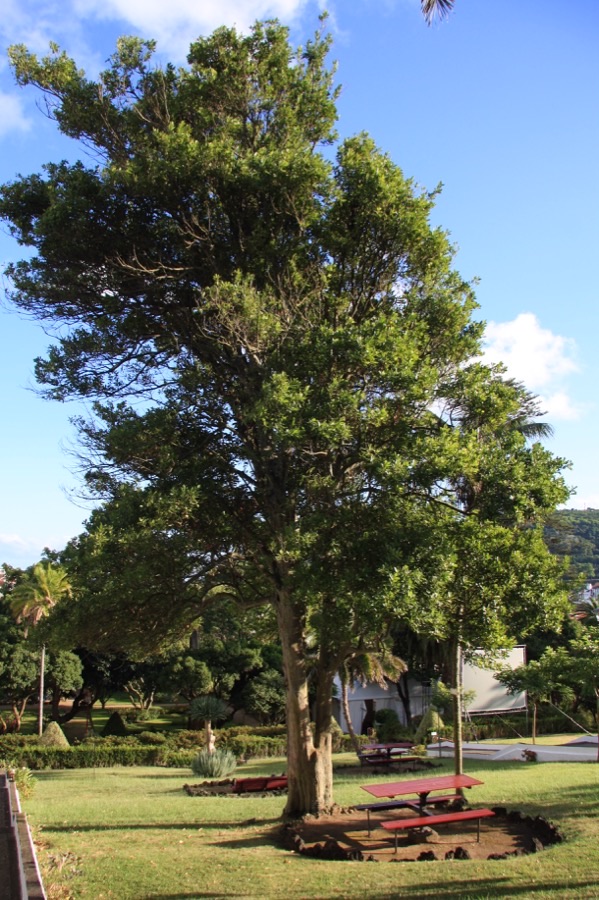
What does the whole tree look like?
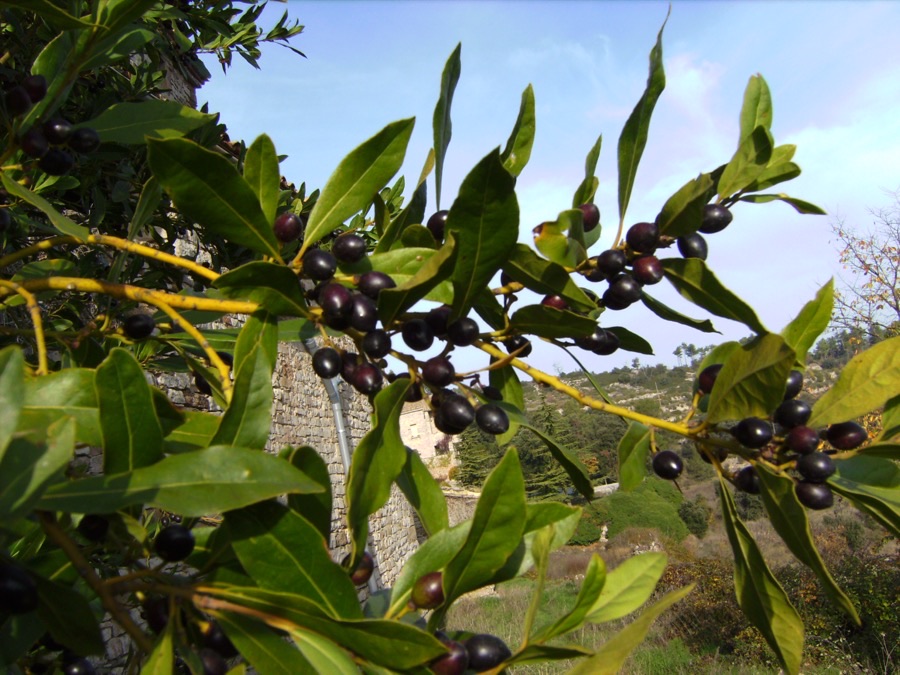
Why do only some of my trees carry berries?