 Laisha
AI Operating System for Agriculture
Enter Laisha
Laisha
AI Operating System for Agriculture
Enter Laisha
Beta vulgaris · Also called: Table beet, Garden beet, Red beet, Chukandar, Betterave potagère, Remolacha de mesa, Rote Bete, Kruidbiet
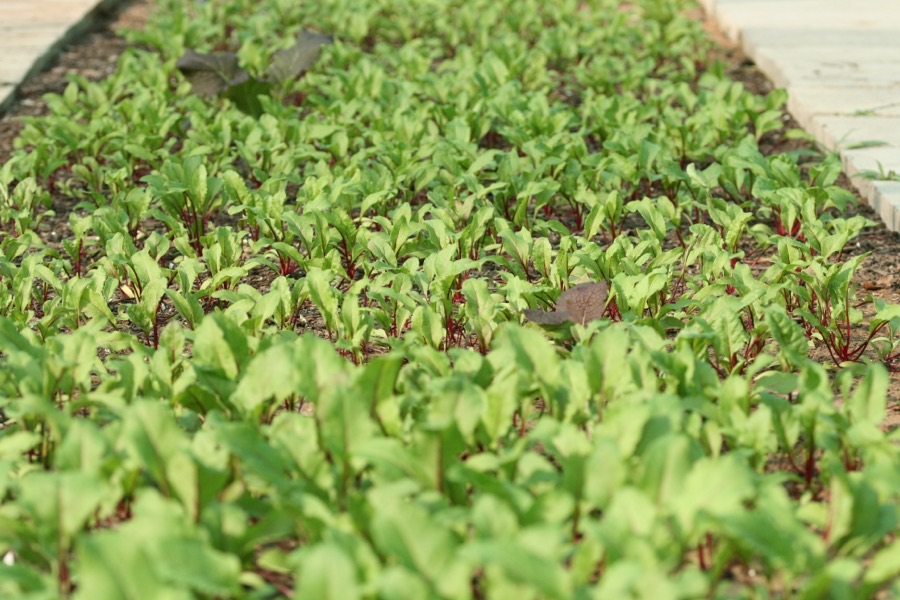
Photo: Dbxsoul, CC BY-SA 3.0 (Wikimedia Commons)
Beetroot is one of the most forgiving vegetables a grower can put in the ground and one of the few that gives two crops from one sowing. The root keeps for months in decent storage, which is unusual and valuable: most vegetables force a sale, this one lets you wait. The leaves are eaten as greens and can be picked lightly while the root is still swelling, so the plot starts feeding a household weeks before harvest. It tolerates cold, poor soil and a degree of saltiness that would ruin most crops. There is really only one thing about it that catches new growers out, and it is a strange one: what you sow is usually not a seed but a little cluster of several seeds stuck together, so one sowing hole gives a clump of seedlings that must be thinned or none of them will make a root.
If you see: Clumps of small, twisted, misshapen roots growing into one another.
It likely means: The crop was never thinned. Each beetroot seed is usually a cluster of several seeds, so every sowing point grew a crowd.
Do this: Thin as soon as the seedlings can be handled, at about two weeks.
If you see: Roots that are tough and woody with pale rings running through them when cut.
It likely means: Either they were left too long and grew too big, or the watering swung between dry and flooded.
Do this: Lift the roots at about five to eight centimetres across rather than waiting for size.
If you see: Roots that have split into two or three legs, or grown twisted and hairy.
It likely means: The root met something hard on its way down: a stone, a clod, a pan, or a lump of fresh manure.
Do this: Work the soil deep and clear the stones before sowing.
If you see: Roots that look fine outside but have black, corky, dead patches inside when cut.
It likely means: Almost always a boron shortage. It is common on light soils and on ground that has been limed heavily.
Do this: Cut a test root open before harvest rather than finding out at market.
If you see: A tall flower stalk rising out of the middle of a plant instead of a root swelling below it.
It likely means: The young plant met a cold spell and decided it had been through a winter, so it is flowering instead of storing food.
Do this: Wait for the soil to warm properly before sowing rather than sowing as early as possible.
If you see: Roots that lose their colour in the pot and cook out pale and watery.
It likely means: The tops or the tail were cut too close, so the root bleeds through the wound.
Do this: Twist the tops off by hand two to three centimetres above the crown rather than cutting close.
Growing the crop is only part of the job. The last part is knowing what a normal harvest looks like where you are, and knowing what your beetroot is worth before you agree a price with anybody.
If you forget every other page of this guide, keep these lines. They are the whole crop, in order, short enough to carry in your head.
What does the crop look like growing?
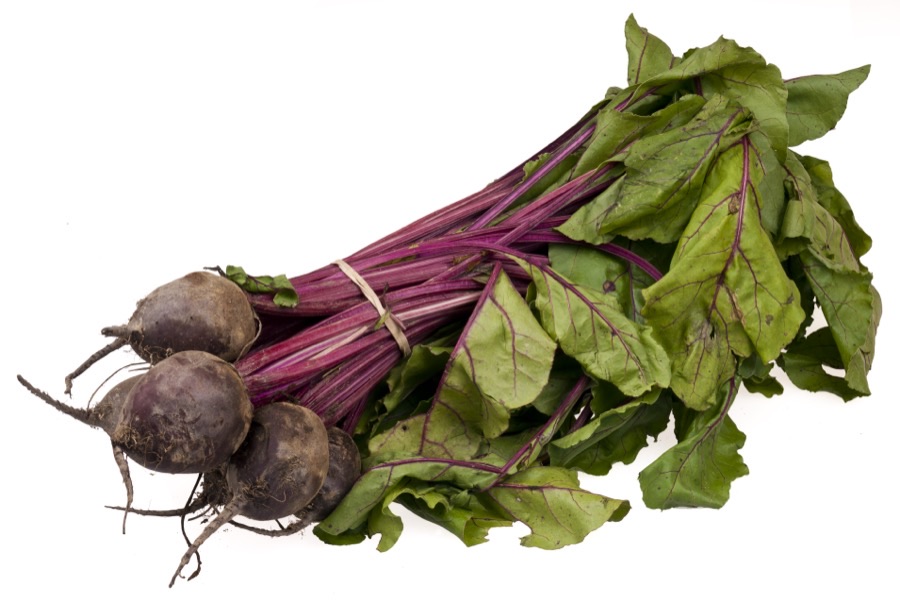
What does a whole plant look like when pulled?
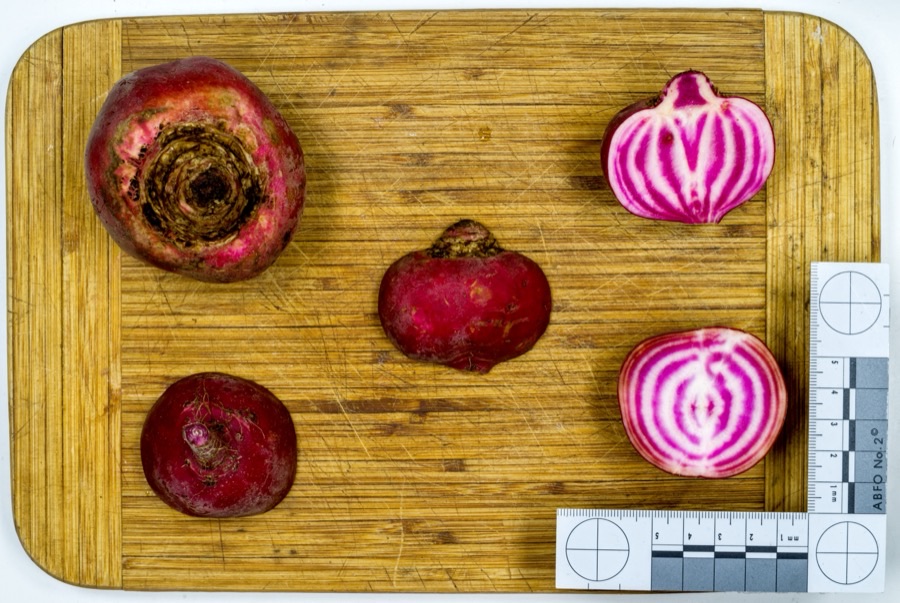
What should it look like cut open?