 Laisha
AI Operating System for Agriculture
Enter Laisha
Laisha
AI Operating System for Agriculture
Enter Laisha
Ziziphus mauritiana · Also called: Indian jujube, Indian plum, Chinee apple, Masau, Jujubier, Bor, Bogori, Regi pandu
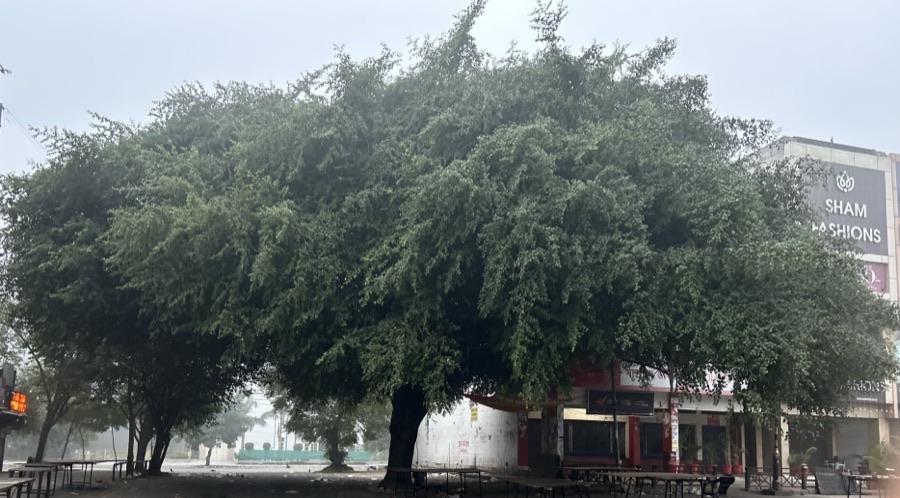
Photo: Harvinder Chandigarh, CC BY 4.0 (Wikimedia Commons)
Ber is the fruit tree that does not give up. It sends a taproot several metres down, sheds its leaves through the worst of the hot season rather than dying, takes 45 degrees, takes salty and alkaline ground, and crops on rainfall that would not keep a citrus tree alive. In Rajasthan, Haryana, Punjab, Gujarat and Madhya Pradesh it is a serious orchard crop; across the Sahel and southern Africa, where it is masau or jujubier, it feeds people through the dry months from trees nobody planted. The leaves are good fodder in a season when there is none, the fruit dries well enough to keep for months, and a tree begins paying in its third year. For genuinely dry land, there is almost nothing else that does this.
If you see: A large healthy tree, thick with old branches, carrying very little fruit.
It likely means: It was not pruned. Ber flowers only on growth made in the current season, so a tree full of last year's wood is a tree full of branches that will never fruit again.
Do this: Cut all of last season's shoots back hard right after harvest, leaving a framework of main branches.
If you see: Fruit that looks sound outside and has a maggot and brown rotten flesh inside when cut.
It likely means: The ber fruit fly, which lays into the developing fruit. Nothing shows on the skin, so it is found by the eater or the buyer rather than by you.
Do this: Collect every fallen and damaged fruit and bury or burn it, rather than heaping it at the orchard edge.
If you see: A white powdery coating on young fruit and shoots, followed by heavy fruit drop or rough brown skin on what remains.
It likely means: Powdery mildew, which attacks the young fruit and either drops it or leaves it scarred and unsellable.
Do this: Prune to keep the tree open so air moves through it.
If you see: A tree producing small, very thorny, poor fruit quite unlike the variety that was planted.
It likely means: Shoots from below the bud union have taken over. The rootstock is usually a wild desert ber and it is far more vigorous than the variety budded onto it.
Do this: Remove every shoot that appears below the union, as soon as it appears, for the life of the tree.
If you see: Fruit that left firm and arrived at the market soft, bruised or fermenting.
It likely means: It was picked too ripe, or carried in the sun, or heaped too deep. Fresh ber has a shelf life measured in days.
Do this: Pick when the colour has changed but the fruit is still firm, never when soft.
If you see: Trees yellowing and dying in the lowest part of the orchard after heavy rain.
It likely means: Waterlogging. Ber survives drought, heat, salt and poor soil, and standing water is the one thing that kills it.
Do this: Plant on the higher ground or on raised mounds where drainage is doubtful.
Growing the crop is only part of the job. The last part is knowing what a normal harvest looks like where you are, and knowing what your ber is worth before you agree a price with anybody.
If you forget every other page of this guide, keep these lines. They are the whole crop, in order, short enough to carry in your head.
What does a ber tree look like?
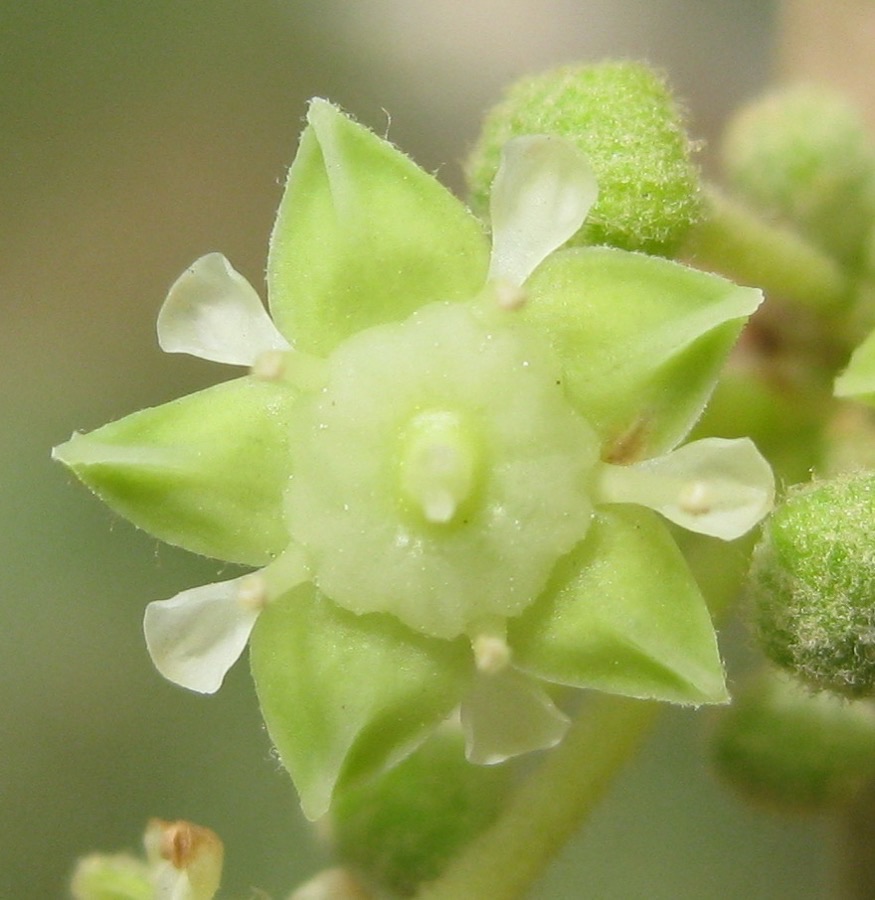
What do the flowers look like, and where do they come?
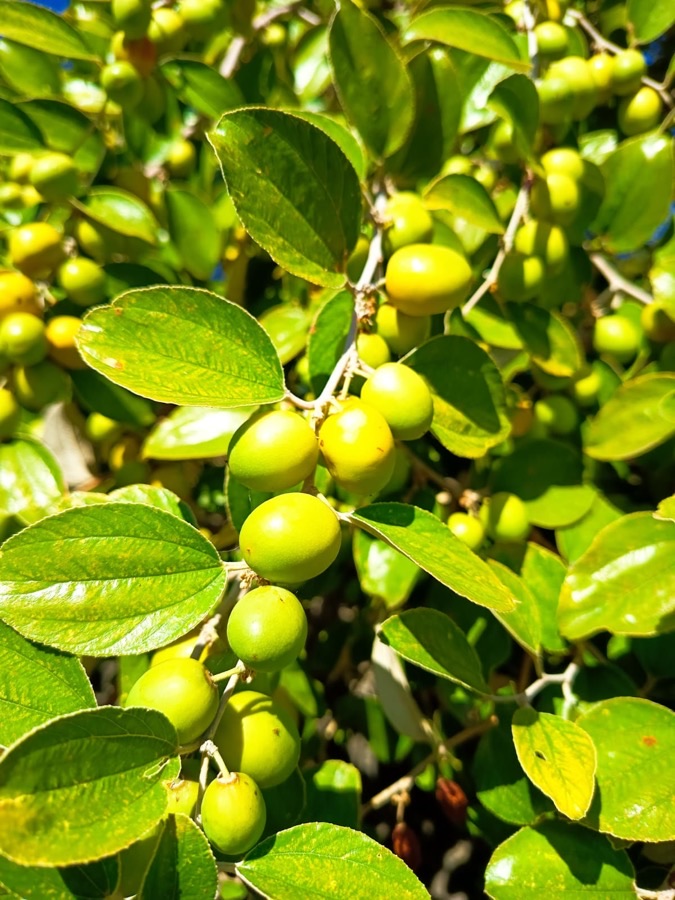
How do you know when to pick?