 Laisha
AI Operating System for Agriculture
Enter Laisha
Laisha
AI Operating System for Agriculture
Enter Laisha
Vaccinium corymbosum · Also called: Highbush blueberry, Northern highbush blueberry, Blue huckleberry, Swamp blueberry, Arándano, Myrtille américaine, Heidelbeere
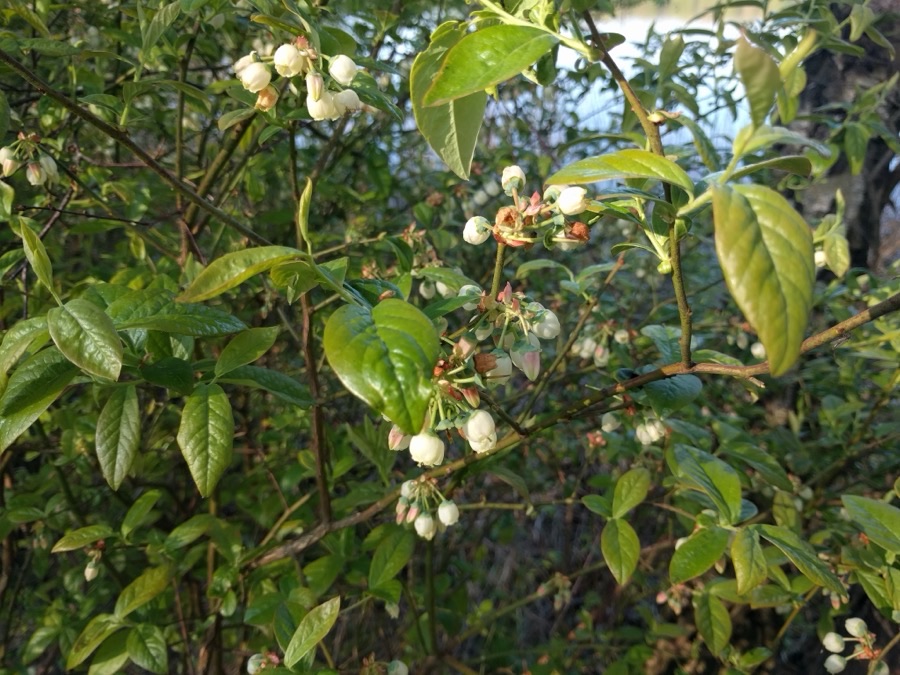
Photo: Michel Langeveld, CC BY-SA 4.0 (Wikimedia Commons)
Blueberry is a high-value fruit with a long and growing export trade, and a well-run planting will crop for twenty years or more. It is also, honestly, one of the fussiest crops in this library, and most of the money lost on it is lost before a bush is planted. It demands sour acid soil that most farms simply do not have, it needs a real winter unless you buy a variety bred otherwise, and its roots are so fine and shallow that a fortnight of neglect will kill a bush that cost real money. None of that is a reason not to grow it. It is a reason to test your soil and count your winter cold before you spend anything, which is what this guide spends its first pages on.
If you see: Leaves turning yellow between veins that stay green, and bushes that never really get going.
It likely means: The soil is not acid enough. The bush cannot take up iron from sweeter soil, so it starves surrounded by food.
Do this: Have the soil tested rather than guessing what is wrong.
If you see: Fully blue berries that are sharp, sour or tasteless, and buyers who do not come back.
It likely means: They were picked on colour. A blueberry turns blue several days before its sugar is made, and it never sweetens once it is off the bush.
Do this: Wait three to seven days after a berry is completely blue before picking it.
If you see: Healthy bushes that flower little or set almost no fruit year after year.
It likely means: Usually the wrong variety for your winter, or only one variety planted, or a bush that has never been pruned.
Do this: Find out how many hours of winter cold your variety needs and whether your winter gives them.
If you see: Bushes wilting, yellowing and dying back, worst in the wetter parts of the field.
It likely means: Root rot following waterlogging, or roots that dried out completely. Both kill, and this plant's fine shallow roots forgive neither.
Do this: Plant on raised ridges wherever drainage is at all doubtful.
If you see: Ripening fruit disappearing daily, with pecked and half-eaten berries left behind.
It likely means: Birds. On an unprotected planting they routinely take a large share of the crop and sometimes most of it.
Do this: Net the bushes before the fruit begins to colour, not after the birds have found it.
If you see: Fruit that looked perfect at picking going mouldy and soft within a day or two.
It likely means: It was not cooled quickly, or it was washed, or it was packed too deep and bruised.
Do this: Get the fruit out of the sun at once and cool it within an hour or two of picking.
Growing the crop is only part of the job. The last part is knowing what a normal harvest looks like where you are, and knowing what your blueberries are worth before you agree a price with anybody.
If you forget every other page of this guide, keep these lines. They are the whole crop, in order, short enough to carry in your head.
What do the flowers look like?
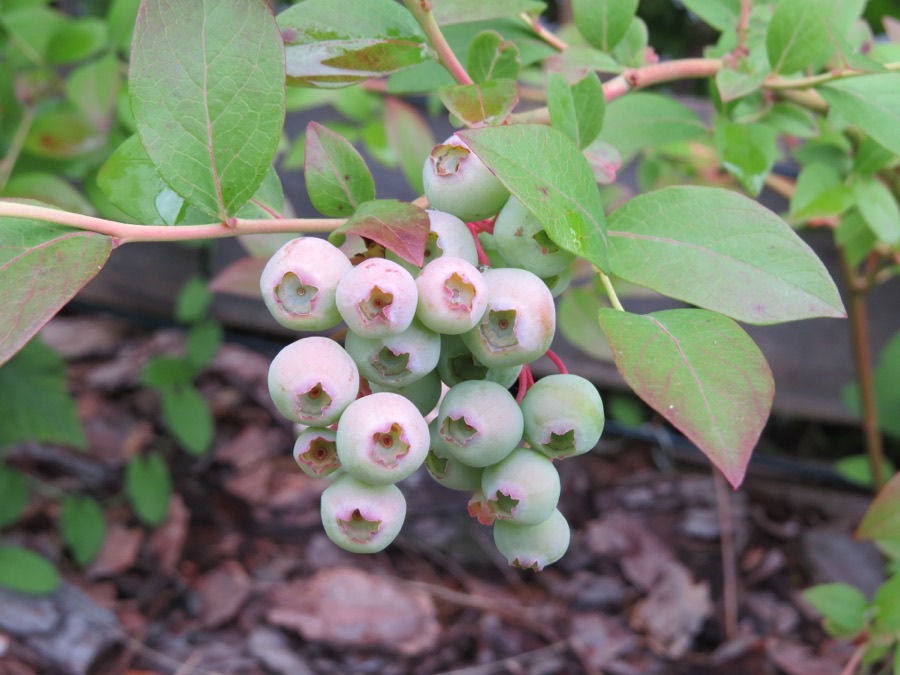
What does unripe fruit look like?
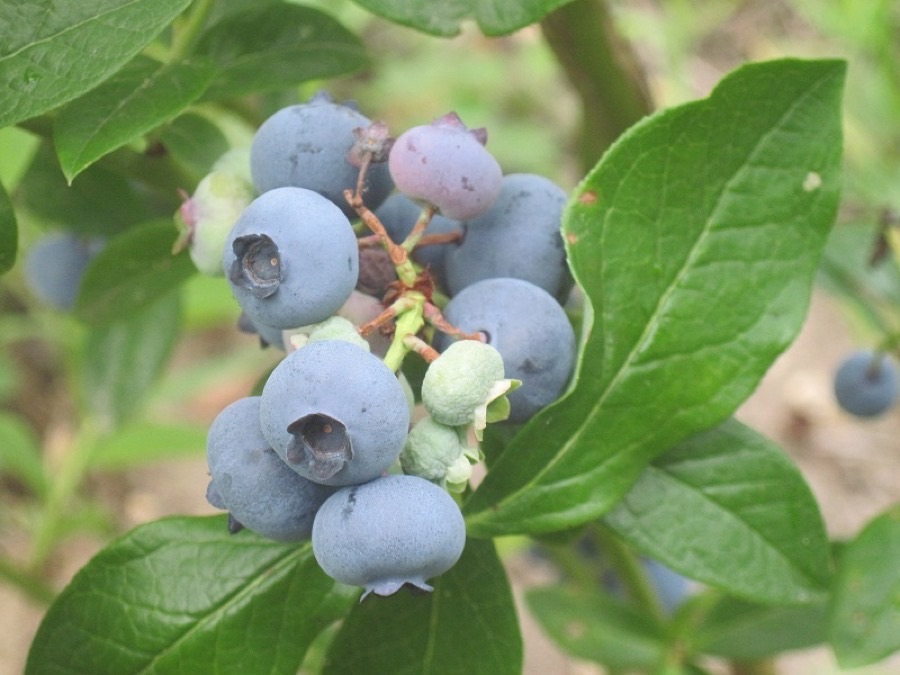
When is a berry actually ready?