 Laisha
AI Operating System for Agriculture
Enter Laisha
Laisha
AI Operating System for Agriculture
Enter Laisha
Lagenaria siceraria · Also called: Calabash, Lauki, Ghiya, Dudhi, Sorakaya, Sorekayi, Upo, Opo squash
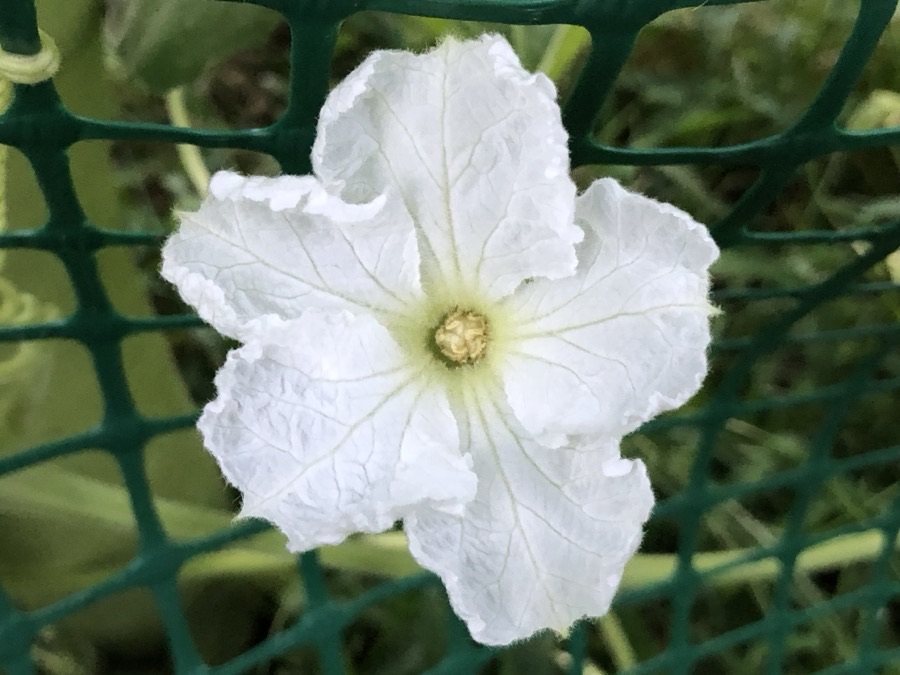
Photo: Famartin, CC BY-SA 4.0 (Wikimedia Commons)
Bottle gourd is among the oldest plants people have grown, carried around the world before pottery existed because the dried shell makes a watertight container. It is still two crops in one: the young fruit is an everyday vegetable across India, China, South East Asia, Africa and Latin America, and the mature dried shell is a bowl, a bottle, a float, a spoon or a musical instrument. It grows fast, it crops heavily on a trellis, and it gives a household both food and useful objects from the same vine.
If you see: A bottle gourd that tastes bitter when a raw piece is tasted, or somebody becoming violently sick after eating or drinking one.
It likely means: That fruit carries a natural bitter substance that is genuinely dangerous. It causes severe vomiting and bleeding from the stomach, and deaths have been recorded, most of them after drinking raw juice.
Do this: Taste a small raw piece of every fruit before cooking or juicing it, every single time.
If you see: Fruit that is tough, fibrous and full of hard seeds when cooked, with a skin you cannot mark with a fingernail.
It likely means: It was picked too late. This fruit is eaten young and hardens into a container if left.
Do this: Pick seven to twelve days after set, while the skin dents under a fingernail.
If you see: A large healthy vine with plenty of white flowers and almost no fruit setting.
It likely means: Either the early flowers were all male, which is normal, or the night-flying insects that pollinate this crop are not reaching it.
Do this: Look behind the flower: a female has a small gourd already formed there and a male has a plain stalk.
If you see: Fruit that is bent, flattened on one side or twisted, which buyers pay less for.
It likely means: It grew resting on the ground or pressed against the trellis instead of hanging free.
Do this: Train the vine over a trellis so the fruit hangs clear.
If you see: Small puncture marks on young fruit which then yellows, softens and rots, with maggots inside.
It likely means: Fruit fly, which lays inside the fruit where nothing applied to the surface reaches the grubs.
Do this: Bag young fruits with paper or cloth where fruit fly is a regular problem.
If you see: The trellis sagging or broken under the weight of the crop, with fruit on the ground.
It likely means: It was not built strongly enough. Bottle gourds are among the heaviest fruits in this family.
Do this: Build a genuinely strong overhead frame before sowing, with posts set firmly.
If you see: Container gourds growing mould on the outside while they are drying, which looks like they are rotting.
It likely means: Usually nothing wrong. Surface mould during the months of drying is normal, and the shell underneath hardens regardless.
Do this: Hang the gourds in a dry, airy, shaded place rather than in a closed room.
Growing the crop is only part of the job. The last part is knowing what a normal harvest looks like where you are, and knowing what your fruit is worth before you agree a price with anybody.
If you forget every other page of this guide, keep these lines. They are the whole crop, in order, short enough to carry in your head.
What do the flowers on the plant look like, and when do they open?
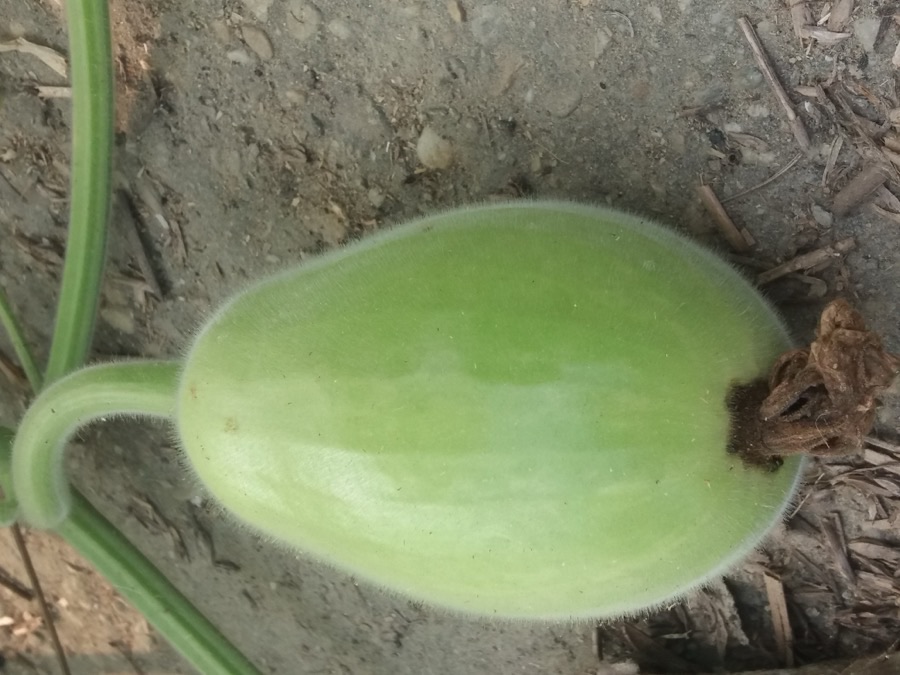
When is the fruit on its stem young enough to eat?
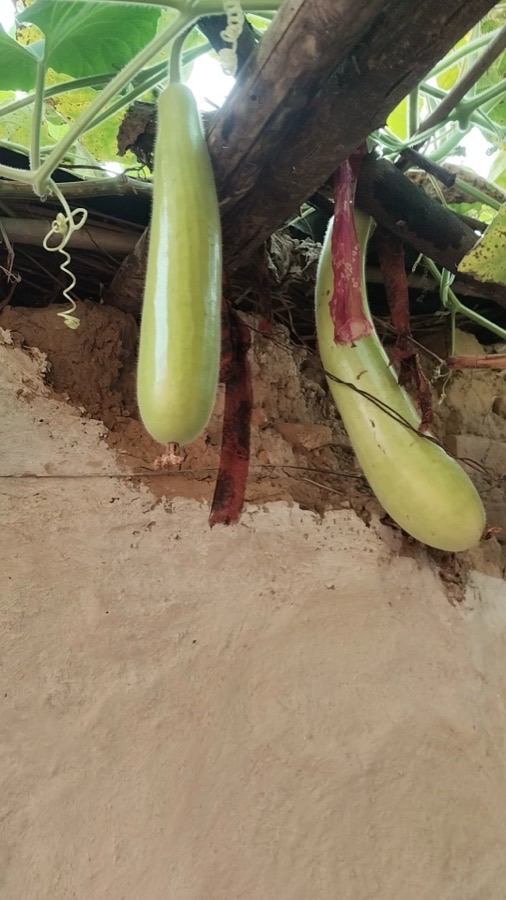
What does a good vegetable fruit look like at market?