 Laisha
AI Operating System for Agriculture
Enter Laisha
Laisha
AI Operating System for Agriculture
Enter Laisha
Artocarpus altilis · Also called: Ulu, Uru, Kuru, Mei, Beta, Sukun, Rimas, Fruta pan
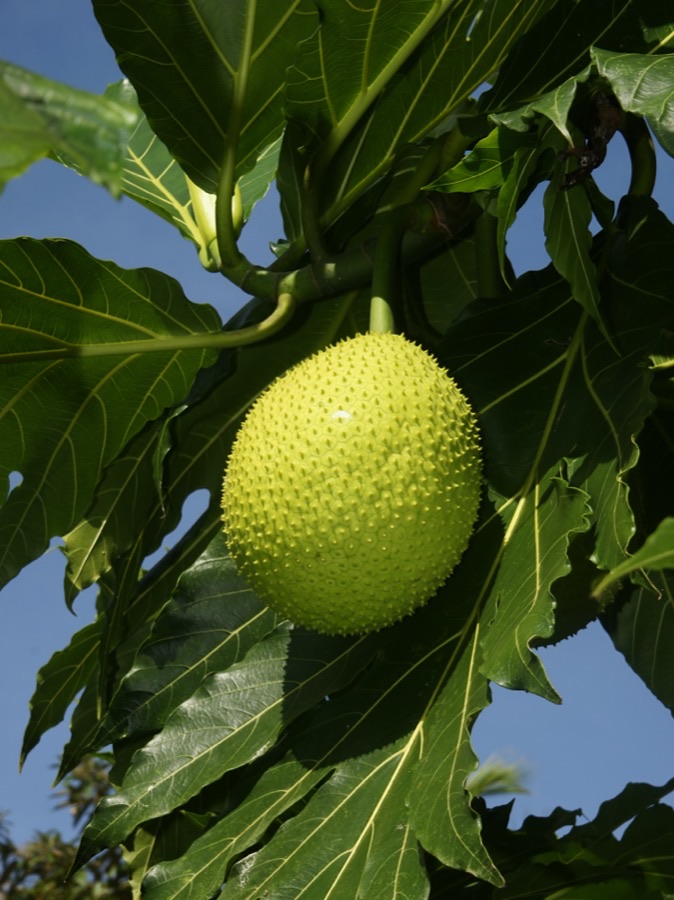
Photo: Hans Hillewaert, CC BY-SA 3.0 (Wikimedia Commons)
Breadfruit is one of the most productive food plants there is for the work it asks. A mature tree can give a hundred and fifty to two hundred fruits a year, each weighing a kilogram or two, for fifty years or more, from a plant that needs almost no yearly labour once it is established. It fed the Pacific for centuries and was deliberately carried to the Caribbean and West Africa, and it is grown today across the Pacific islands, the Caribbean, Indonesia, Sri Lanka, southern India and parts of West Africa. Its problem is the exact opposite of most crops in this library. There is no shortage: there is a glut. The fruit all ripens within a few short weeks and keeps only a day or two after picking, so the real skill in breadfruit is not growing it but having somewhere for it to go.
If you see: More fruit on the ground under the tree than anybody can eat, sell or give away, rotting within days of falling.
It likely means: Nothing is wrong. This is what a healthy breadfruit tree does: a hundred and fifty fruits or more in a few weeks, each keeping only a day or two.
Do this: Plan the outlet before you plant, because a mature tree's output cannot be reduced once it is growing.
If you see: Fruit that is soft and sweet when cut open rather than firm and starchy, and that will not hold together when boiled.
It likely means: It was picked too late. Breadfruit is a starch food while it is mature and firm, and becomes a sweet fruit if left to ripen fully.
Do this: Pick when the skin flattens between the segments and drops of white latex appear on it, while the fruit is still firm.
If you see: Fruit that goes brown and soft in patches within a day of picking, and rots before it can be sold.
It likely means: It was dropped or knocked. Breadfruit bruises very easily and a bruise becomes a rot within a day in a fruit that only keeps for two.
Do this: Catch the fruit in a net or padded basket on a pole rather than letting it fall to the ground.
If you see: Soft dark patches spreading across fruit while it is still hanging on the tree, usually in long wet spells, sometimes with a fuzzy growth.
It likely means: Fruit rot, which spreads in wet weather from fruit to fruit and from fallen fruit back up into the tree.
Do this: Pick off and destroy rotting fruit rather than leaving it hanging or lying beneath the tree.
If you see: Large branches split or torn off the trunk, often carrying fruit, after wind or simply under their own weight.
It likely means: Breadfruit wood is brittle and the fruit is heavy. This is the most common way a productive tree is damaged.
Do this: Prune to keep the tree low and wide rather than tall and top-heavy, which also keeps the fruit in reach.
If you see: White waxy clusters in the leaf joints and on the fruit stalks, with sticky leaves and a black sooty growth spreading over them.
It likely means: Mealybugs or scale insects feeding on the sap. The black growth is a mould living on the sugar they excrete rather than a disease of the tree.
Do this: Wash light attacks off with water, directing it into the leaf joints where they shelter.
If you see: A good seedless tree you want more of, and no suckers coming up around it to lift.
It likely means: Nothing is wrong. Suckers appear when a shallow root is disturbed, and an undisturbed tree may throw none for years.
Do this: Wound a shallow root deliberately with a spade a short distance from the trunk, which makes the tree throw new shoots there.
Growing the crop is only part of the job. The last part is knowing what a normal harvest looks like where you are, and knowing what your fruit is worth before you agree a price with anybody.
If you forget every other page of this guide, keep these lines. They are the whole crop, in order, short enough to carry in your head.
What is this round green fruit with a bumpy skin hanging among big cut leaves?
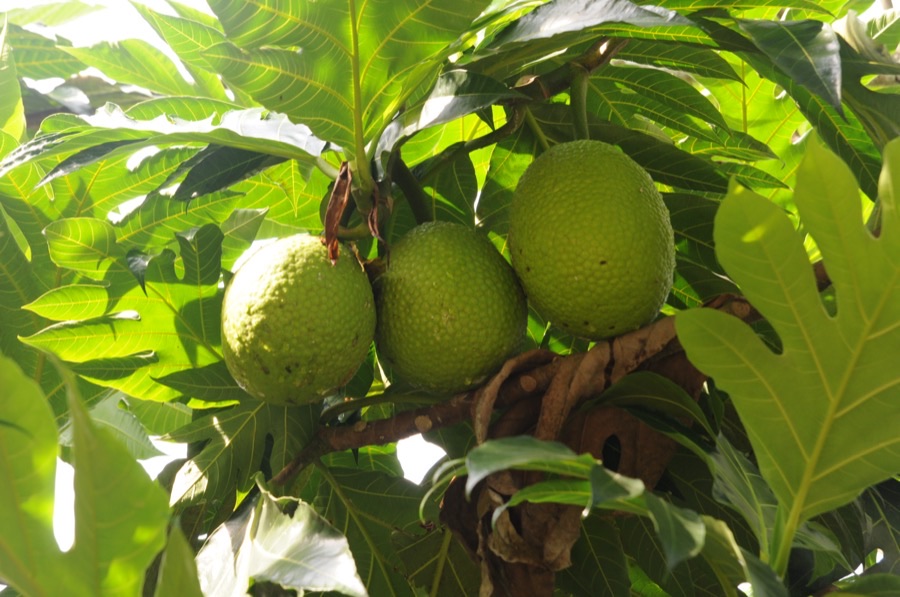
How do I know when to cut these down?
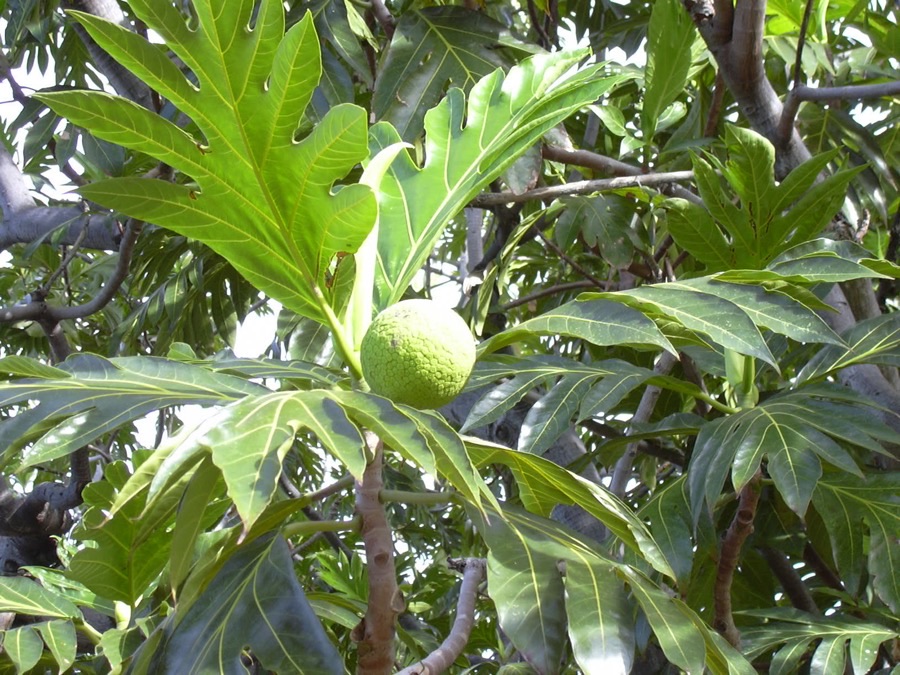
Are these several leaves or one, and why are they cut into fingers like that?