 Laisha
AI Operating System for Agriculture
Enter Laisha
Laisha
AI Operating System for Agriculture
Enter Laisha
Brassica oleracea var. gemmifera · Also called: Sprouts, Brussel sprouts, Spruitjes, Rosenkohl, Chou de Bruxelles, Coles de Bruselas, Cavolini di Bruxelles, Button cabbage
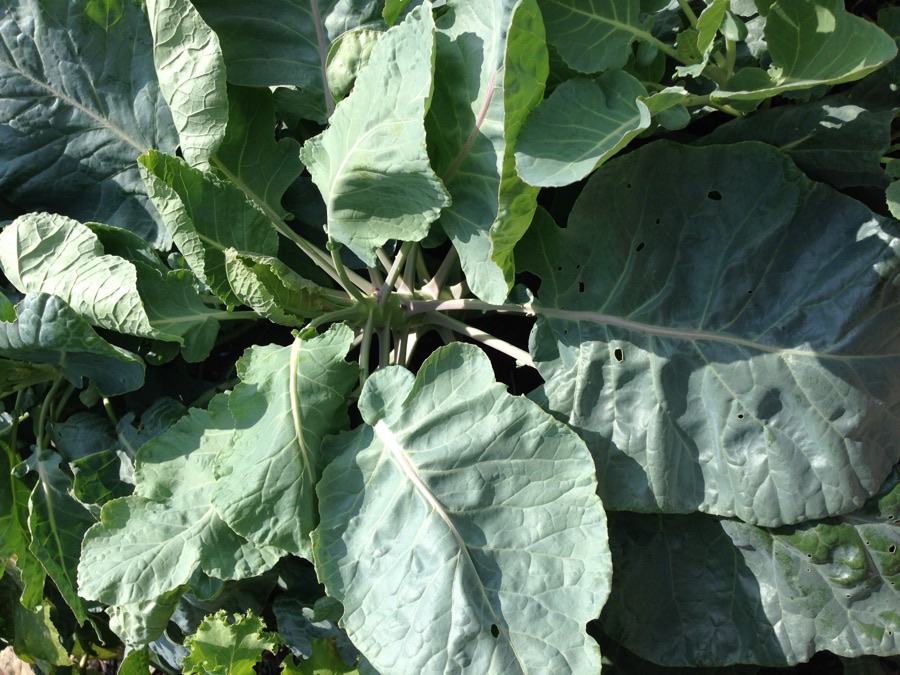
Photo: AdamRedwine, CC BY-SA 4.0 (Wikimedia Commons)
Brussels sprouts are a winter crop in a library mostly full of summer ones. They stand in the field through frost and are picked through the coldest months, when almost nothing else fresh is coming off the ground, and frost genuinely improves them rather than damaging them. That timing is the whole commercial case. They are also one of the longest-standing vegetables here: sown in spring, occupying the ground until the following winter, and picked a few handfuls at a time over months rather than cut once. It is a crop for a grower who can spare the ground for most of a year and wants something to sell when the rest of the field is bare.
If you see: Sprouts that are loose and open like tiny cabbages that have unfurled, instead of tight buttons.
It likely means: Almost always loose soil, sometimes too much nitrogen late in the season, sometimes crowding. A plant that rocks cannot make a tight sprout.
Do this: Firm the ground hard before planting, by treading or rolling.
If you see: Grey-white waxy colonies packed between and inside the sprouts.
It likely means: Cabbage aphid. It gets down between the tight leaves of a sprout where nothing can wash it out.
Do this: Check the plants weekly through the growing season, looking among the sprouts and not only on the leaves.
If you see: Plants wilting in the sun and recovering at night, with swollen lumpy roots when pulled up.
It likely means: Clubroot. It is a soil-borne disease of the whole cabbage family, and once it is in a field it stays for many years.
Do this: Pull up and burn affected plants, and do not compost them.
If you see: Tall plants leaning right over, sometimes flat, after winter wind or heavy rain.
It likely means: The ground was not firm enough, or the plants were not earthed up, or the site is too exposed for an unstaked crop.
Do this: Firm the ground hard before planting and firm each plant in.
If you see: Plants that grow well but carry only small sprouts, or very few.
It likely means: Usually sown too late for the length of season this crop needs, sometimes crowded, sometimes short of water at a key time.
Do this: Sow in spring, early enough to leave six or seven months before picking.
If you see: Picked sprouts going yellow and soft within a day or two.
It likely means: They were kept warm, or washed, or packed too deep. Loose sprouts are far more perishable than most people expect.
Do this: Get them into shade at once and cool them quickly.
Growing the crop is only part of the job. The last part is knowing what a normal harvest looks like where you are, and knowing what your sprouts are worth before you agree a price with anybody.
If you forget every other page of this guide, keep these lines. They are the whole crop, in order, short enough to carry in your head.
What does the plant look like?
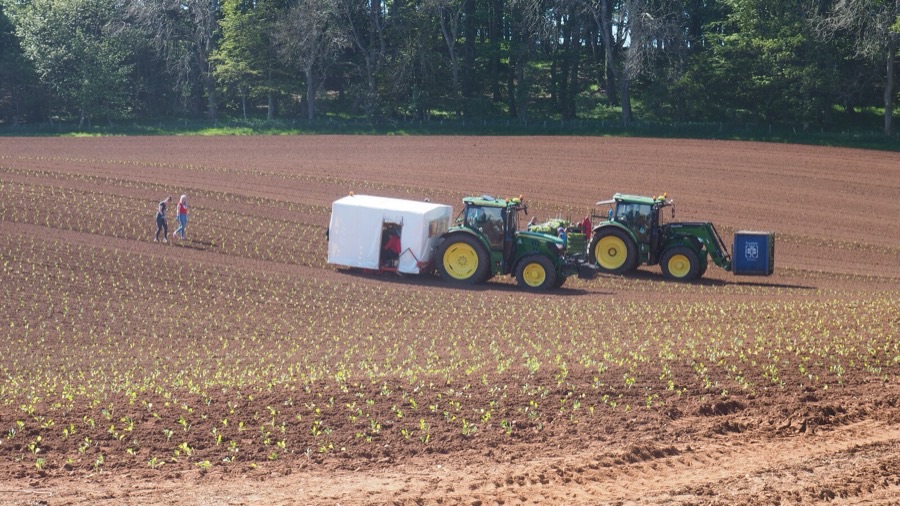
What does planting the crop look like?
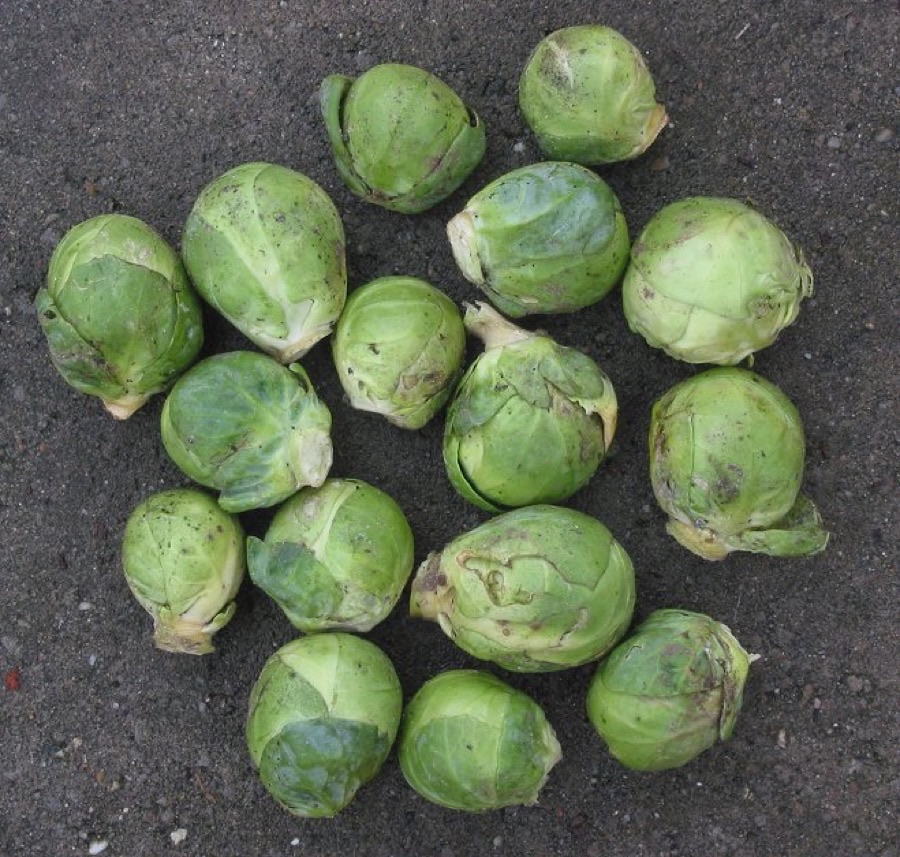
What does a sprout ready to pick look like?