 Laisha
AI Operating System for Agriculture
Enter Laisha
Laisha
AI Operating System for Agriculture
Enter Laisha
Physalis peruviana · Also called: Goldenberry, Uchuva, Aguaymanto, Rasbhari, Physalis, Peruvian groundcherry, Poha berry, Uvilla
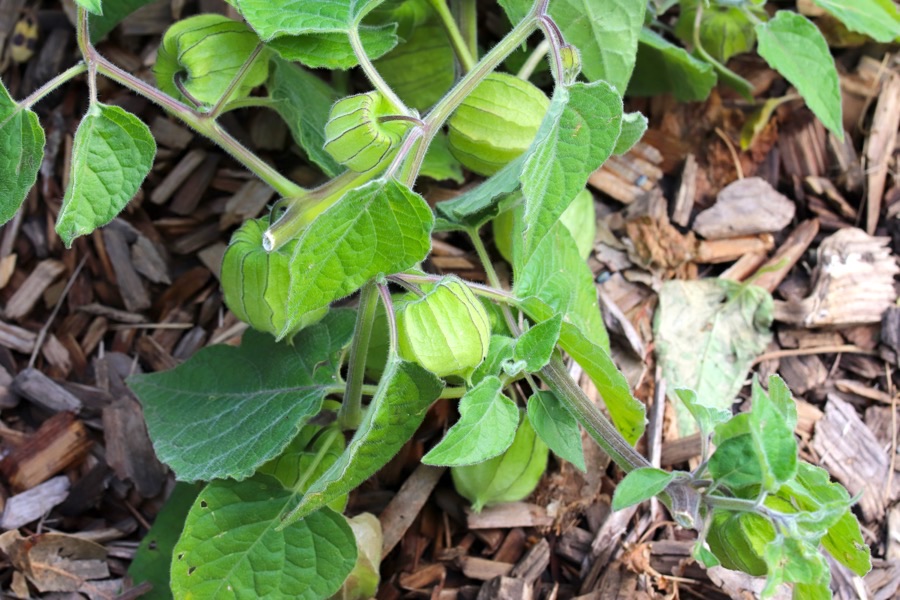
Photo: Don McCulley, CC BY-SA 4.0 (Wikimedia Commons)
Cape gooseberry solves the problem that ruins most soft fruit. Every berry grows inside its own papery bag, and that bag is packaging the plant provides for free: fruit left inside an intact dry husk keeps for weeks rather than days, without a cold store and without anything bought in. That is why a crop from the Andes is now air-freighted out of Colombia, Peru, Kenya and South Africa to markets on the other side of the world, and why it suits a smallholder a long way from a buyer. It grows quickly from seed, crops within about six months, and keeps cropping for months after that. The one thing that must be understood before anybody eats any of it is that the unripe green fruit is not safe. Ripeness here is not a matter of taste. It is a matter of care.
If you see: Fruit that is sharp, bitter or makes people unwell.
It likely means: It was picked unripe. Green cape gooseberry is not safe to eat, and unlike some fruits this is a real caution rather than a matter of flavour.
Do this: Wait until the husk is dry, papery and straw-coloured before picking anything.
If you see: Fruit rotting where it lies, with stained and broken husks.
It likely means: The plants were not supported, so the branches and their fruit are lying on wet soil.
Do this: Stake the plants or run wires along the rows while the plants are still small.
If you see: Enormous leafy plants carrying very little fruit.
It likely means: Too much nitrogen, or ground that was made too rich, or too much water. This plant fruits better when it is not indulged.
Do this: Feed sparingly and stop nitrogen once flowering begins.
If you see: Husks going mouldy in store, with the mould spreading to fruit around them.
It likely means: The fruit was packed damp, or washed, or stored in a closed bag where moisture could not escape.
Do this: Never wash fruit that is going into store or to market.
If you see: Small holes in the husks with droppings around them, and grubs in the fruit inside.
It likely means: A borer caterpillar has chewed through the husk. Once inside, it is beyond the reach of anything applied to the outside.
Do this: Check husks as you pick and destroy any that are holed.
If you see: Whole plants yellowing and wilting from the base while their neighbours look well.
It likely means: A soil-borne wilt. This crop shares these diseases with tomato, potato, chilli and brinjal because they are all one family.
Do this: Never plant after tomato, potato, chilli or brinjal.
Growing the crop is only part of the job. The last part is knowing what a normal harvest looks like where you are, and knowing what your cape gooseberries are worth before you agree a price with anybody.
If you forget every other page of this guide, keep these lines. They are the whole crop, in order, short enough to carry in your head.
What does the plant look like growing?
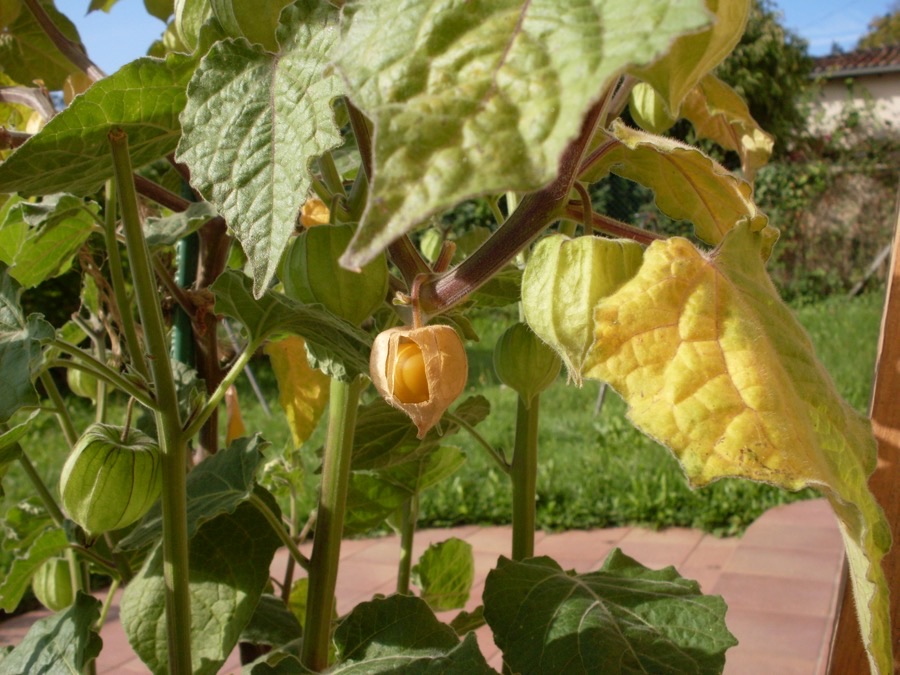
How does the fruit ripen?
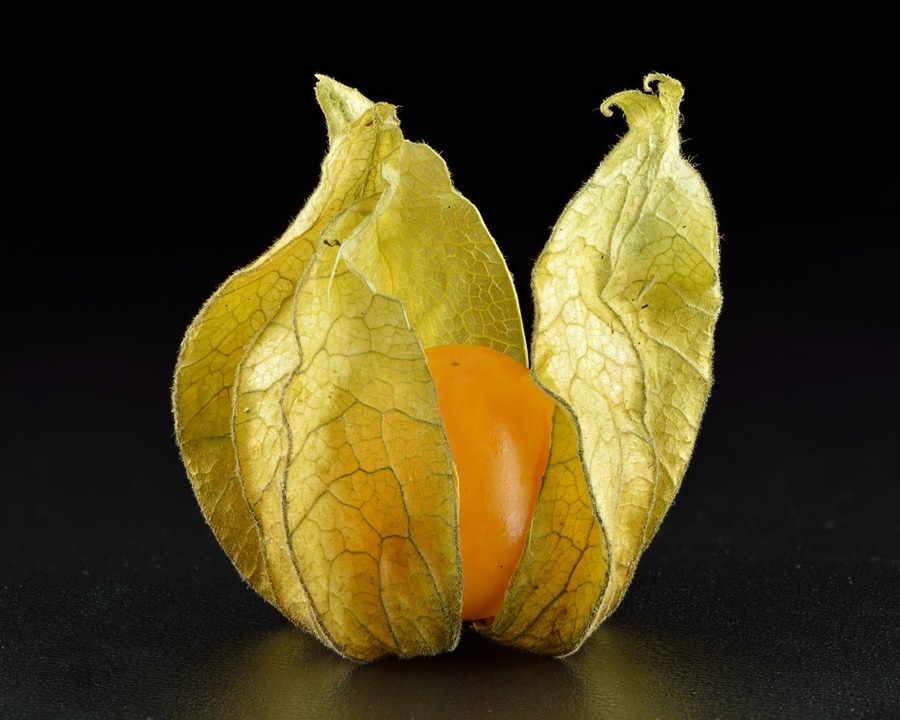
What does ripe fruit look like inside the husk?