 Laisha
AI Operating System for Agriculture
Enter Laisha
Laisha
AI Operating System for Agriculture
Enter Laisha
Carum carvi · Also called: Meridian fennel, Persian cumin, Kümmel, Kminek, Karvi, Vilayati jeera, Kervel
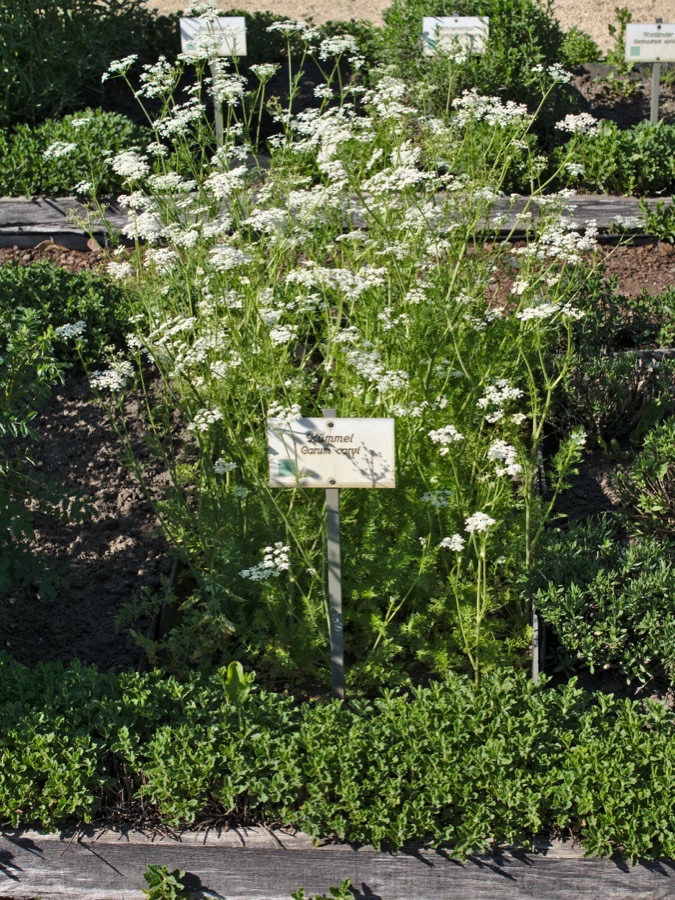
Photo: Alexander Klink, CC BY 4.0 (Wikimedia Commons)
Caraway is a two-year crop that most growers treat as a one-year crop and are then disappointed by. It spends its first year making nothing but a rosette of leaves and a taproot, needs a cold winter to trigger it, and only in the second summer sends up a stem, flowers and sets the seed you are growing it for. Understanding that is the whole difference between a crop and a wasted season. The seed is a cool-country spice with a steady trade: the Netherlands, Finland, Poland, Germany, Canada and Egypt all grow it commercially, and it flavours rye bread, cheese, cabbage dishes and spirits across northern and eastern Europe. It is hardy, it asks little, and it leaves the ground in good condition. The root of the first-year plant is edible too, though almost nobody sells it.
If you see: A healthy bed of caraway that grew all season and never flowered or set any seed.
It likely means: Nothing is wrong. Ordinary caraway is a two-year plant: a rosette and a taproot in the first year, and stems, flowers and seed only in the second.
Do this: Leave the crop standing and weed it again in the second spring.
If you see: A first-year bed where the caraway has disappeared under grass and broadleaf weeds.
It likely means: The first-year rosette is small, flat and slow, and it cannot compete with anything. This is how most caraway crops are lost.
Do this: Start with the cleanest ground you have, since weeding is far harder than not needing to weed.
If you see: Seed all over the ground under the plants, and heads that are nearly empty when you cut them.
It likely means: The crop was left too long. Ripe caraway heads shatter, and they do it within a day or two of being ready.
Do this: Watch the crop daily from the moment the flowers fade.
If you see: Flower heads drawn together with silk webbing, with a caterpillar and its droppings inside.
It likely means: The caterpillar that specialises in this family's flower heads. It eats exactly the part you are growing the crop for.
Do this: Cut out and burn webbed heads as soon as you see them, where the planting is small enough.
If you see: Large gaps in the rows in the second spring where healthy rosettes stood in autumn.
It likely means: Usually water standing over winter rotting the taproot, sometimes soft growth from heavy feeding, sometimes a winter too mild to trigger flowering in the survivors.
Do this: Choose well-drained ground, since this is far more often a drainage problem than a cold one.
If you see: A cleaned lot refused by a buyer, or paid for at a much lower grade than expected.
It likely means: Usually moisture, dust and chaff, or foreign seed. Caraway is commonly adulterated, so buyers check it carefully.
Do this: Dry the cleaned seed in shade until it is hard and rattles, and never store it even slightly damp.
Growing the crop is only part of the job. The last part is knowing what a normal harvest looks like where you are, and knowing what your caraway is worth before you agree a price with anybody.
If you forget every other page of this guide, keep these lines. They are the whole crop, in order, short enough to carry in your head.
What does the standing crop look like in its second year?
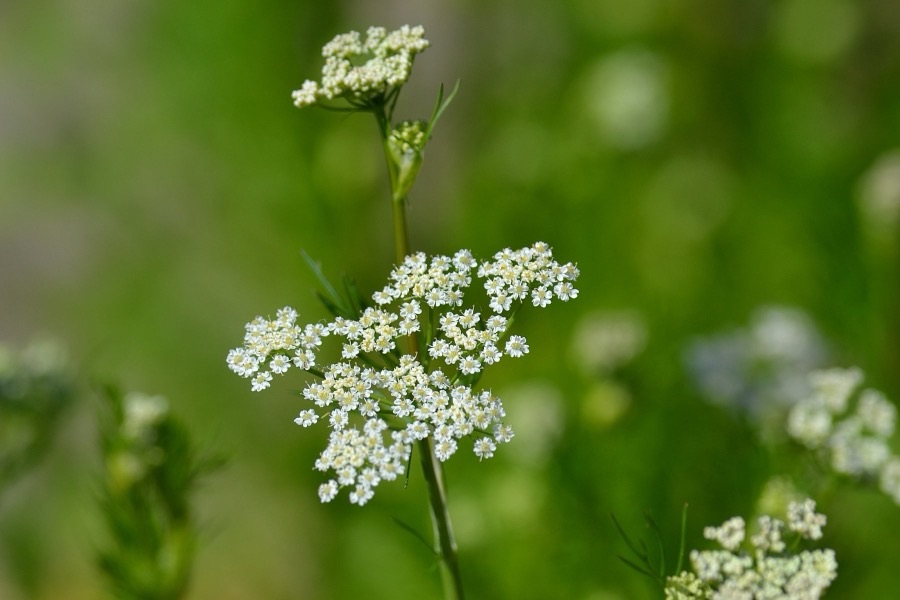
What do the flowers look like?
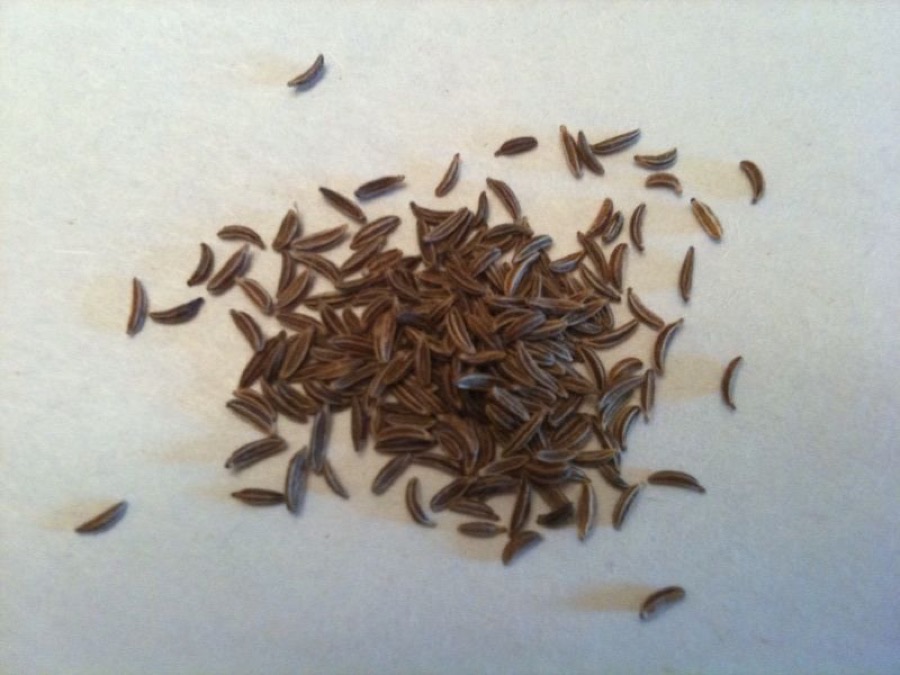
What does the seed look like?