 Laisha
AI Operating System for Agriculture
Enter Laisha
Laisha
AI Operating System for Agriculture
Enter Laisha
Castanea sativa · Also called: Sweet chestnut, Spanish chestnut, European chestnut, Marron, Castagna, Castaña, Châtaigne, Kastanie
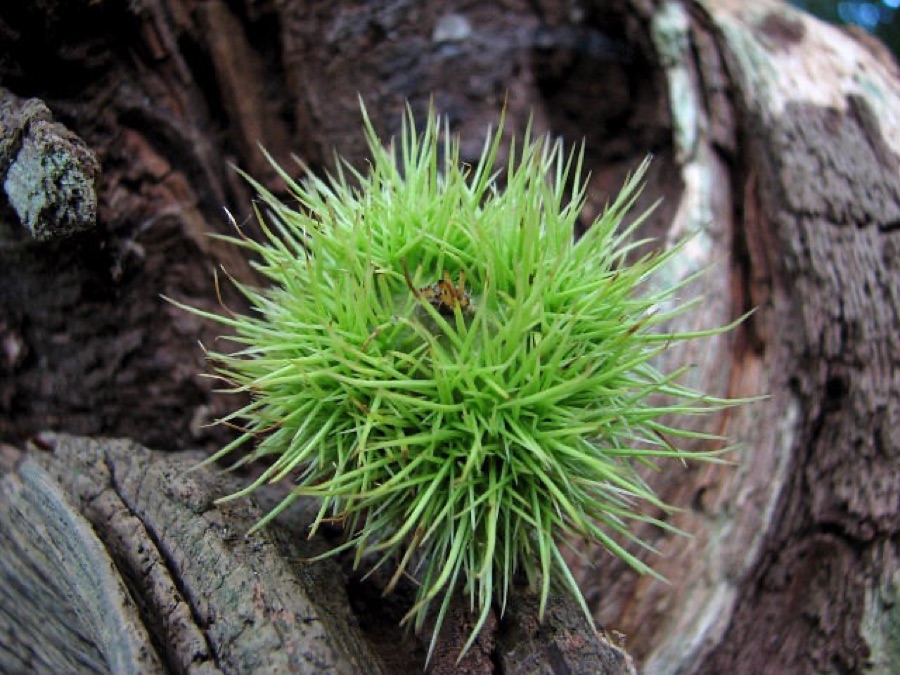
Photo: Evelyn Simak, CC BY-SA 2.0 (Wikimedia Commons)
Chestnut is the one nut that can be eaten like a grain. It is low in oil and high in starch, and in the mountain districts of southern Europe, Turkey and parts of Asia it was dried and ground into flour and fed households through the winter for centuries. The tree lives for hundreds of years, holds steep hillsides together, gives timber and firewood alongside the nuts, and asks very little once it is established. China, Turkey, Spain and Italy produce most of the world's crop. Two things limit it absolutely. It will not grow on chalky or limey ground, whatever you do to the soil. And the nut is not like other nuts: it is full of water, so it cannot simply be dried and bagged, and a crop handled as though it were an almond will rot within a fortnight.
If you see: Gathered nuts going mouldy, soft or sour within a week or two of picking up, often with white or grey growth around the flat scar at the base.
It likely means: They were treated as a dry nut. A chestnut is roughly half water when it falls, so it behaves like fresh fruit and spoils like fresh fruit.
Do this: Gather within a day or two of falling and never leave nuts lying on damp ground, which is where most of the moulds get in.
If you see: Trees that stay small and yellowish year after year, with pale leaves and short growth, on ground where other trees grow perfectly well.
It likely means: Almost certainly the soil is not acid enough. Chestnut is unusual in refusing chalky and limey ground, and it cannot take up what it needs there.
Do this: Ask a licensed dealer about a soil test rather than feeding repeatedly into ground the tree cannot use.
If you see: Sunken or swollen patches on the bark, sometimes cracked and orange-brown, with the branch or trunk above them wilting, yellowing and dying back.
It likely means: A bark disease that girdles branches and trunks and kills everything above the point of infection. It enters through wounds and it has destroyed chestnut across whole regions.
Do this: Cut out affected branches well below the damage and remove the wood right out of the planting rather than leaving it.
If you see: Trees yellowing, thinning and dying over one or two seasons, usually in the lower or wetter part of the ground, with dark ink-like staining in the wood at the base when cut.
It likely means: A root and collar disease that thrives in wet soil. It kills established trees and it is why drainage matters so much for this crop.
Do this: Improve drainage before replanting anything into that ground, because a replacement tree will die the same way.
If you see: Plenty of burrs on the trees but many of them containing flat, thin, papery nuts with nothing inside, or no nut at all.
It likely means: The flowers were not fertilised, which usually means there is no second kind shedding pollen at the right time, or the trees are too far apart for the wind.
Do this: Check that you have at least two different kinds and that they show catkins in the same weeks.
If you see: Nuts with a small round hole in the shell, and white legless grubs with brown heads inside the kernel when the nut is opened.
It likely means: A weevil that laid an egg into the developing nut. The grub eats the kernel, bores out and drops into the soil to overwinter beneath the tree.
Do this: Gather promptly and clear every fallen nut and old burr from under the trees, because that is where the next generation comes from.
If you see: Healthy well-grown trees five or six years old that have never carried a single burr, growing strongly and putting on wood every year.
It likely means: Most likely they are simply not old enough, particularly if they were grown from seed rather than grafted.
Do this: Check whether the trees are grafted or seedlings, because a seedling chestnut can take fifteen years or more to bear.
Growing the crop is only part of the job. The last part is knowing what a normal harvest looks like where you are, and knowing what your nuts are worth before you agree a price with anybody.
If you forget every other page of this guide, keep these lines. They are the whole crop, in order, short enough to carry in your head.
This spiny green ball is completely closed. Should I pick it?
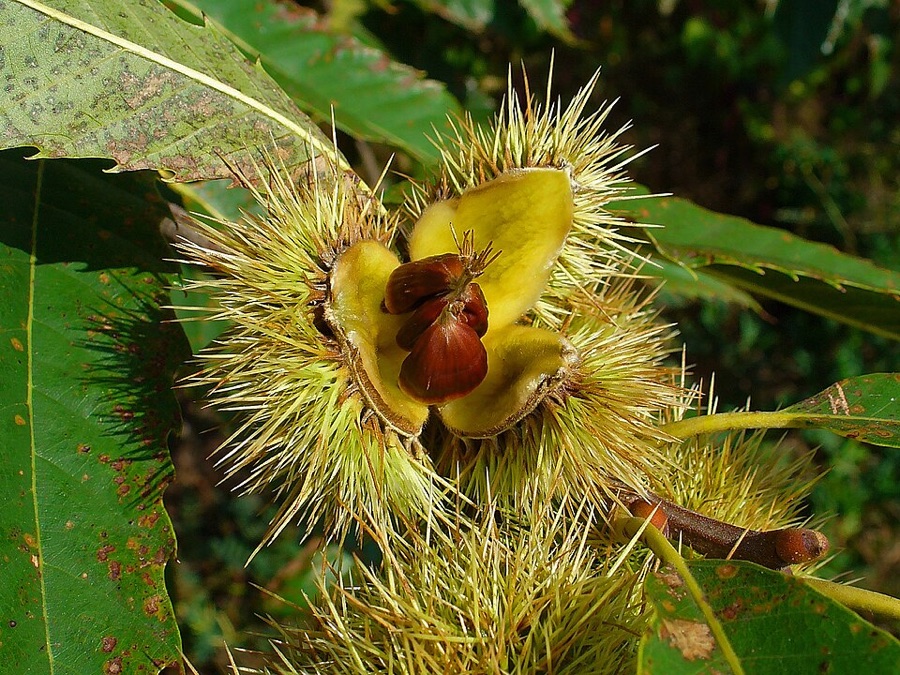
What is happening to this spiny case, and what are the pale shapes inside it?
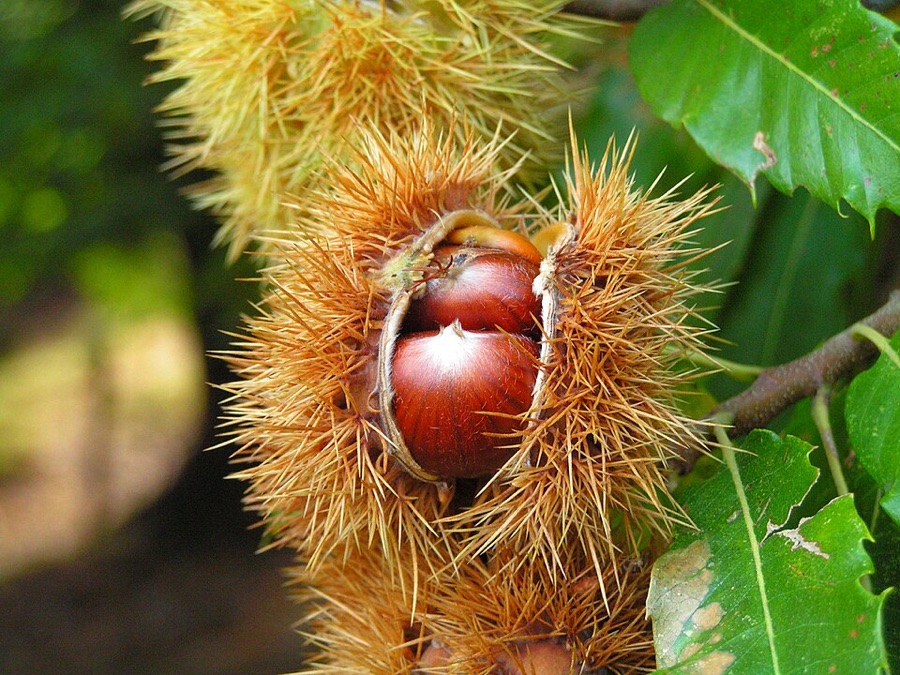
How do I know these nuts are ready to gather?