 Laisha
AI Operating System for Agriculture
Enter Laisha
Laisha
AI Operating System for Agriculture
Enter Laisha
Coriandrum sativum · Also called: Cilantro, Dhania, Dhaniya, Kothmir, Kothamalli, Malli, Chinese parsley, Coriandre
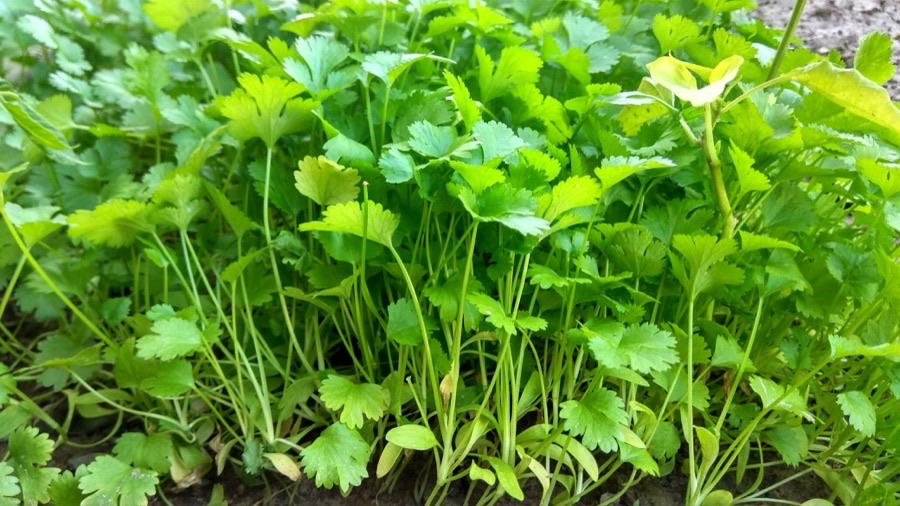
Photo: ShahadatHossain, CC BY-SA 4.0 (Wikimedia Commons)
Coriander is two crops from one packet of seed and it is quick at both. Leaves are ready to cut in about a month, which puts food and cash in a household faster than almost anything else, and the same plants left standing give a spice seed traded worldwide. India grows by far the most seed, with Morocco, Ukraine, the Russian Federation, Romania, Bulgaria, Mexico, Canada and Argentina also producing. It is a cool-season crop, it is grown on every scale from a doorstep box to a hundred hectares, and it asks very little beyond the right sowing date.
If you see: Plants shooting up thin and tall and flowering when they are barely a hand high, with almost no leaf worth cutting.
It likely means: Heat, or a late sowing, or both. Coriander is a cool-season crop and runs straight to flower when it is warm.
Do this: Sow at the start of the cool season rather than at the end of it.
If you see: Seed lying on the ground under the plants at harvest, and heads that have already split open on the stem.
It likely means: The crop was left too long or was cut in the heat of the day when the heads were brittle.
Do this: Harvest when most heads are straw-coloured rather than waiting for every one to brown.
If you see: Dried seed that has gone pale yellow or greyish instead of green, and smells of very little when crushed.
It likely means: It was dried in the sun, or stored warm and in the light. Colour and smell are exactly what the spice trade pays for.
Do this: Dry the crop and the seed in the shade with moving air, never in direct sun.
If you see: Swollen blister-like lumps on stems, leaf stalks and flower stalks, with the plant distorted and setting little seed.
It likely means: A stem swelling disease that is worst in cool damp weather and is the main disease of this crop in several countries.
Do this: Rotate away from coriander, cumin and fennel for two or three seasons where it has appeared.
If you see: A bed that has come up in patches, with bare gaps and seedlings appearing over a long spread of time.
It likely means: Either the seed was old, or it was sown whole rather than split, or the seedbed dried out in the first fortnight.
Do this: Rub the round seeds between your palms to split them into halves before sowing.
If you see: A leaf bed that was cut and then did almost nothing, with brown stubs and little new growth.
It likely means: It was cut too low or too late, or left dry afterwards. Coriander regrows from the stub, and there has to be a stub.
Do this: Cut about five centimetres above the ground rather than at soil level.
If you see: Leaf that is sticky or has black sooty marks on it, which buyers reject even though the plant looks healthy.
It likely means: Aphids. The stickiness is their droppings and the black is a mould growing on it.
Do this: Walk the bed weekly and deal with aphids before the leaf is dirtied rather than after.
Growing the crop is only part of the job. The last part is knowing what a normal harvest looks like where you are, and knowing what your leaf or seed is worth before you agree a price with anybody.
If you forget every other page of this guide, keep these lines. They are the whole crop, in order, short enough to carry in your head.
When are the leaves on the plant ready to cut?
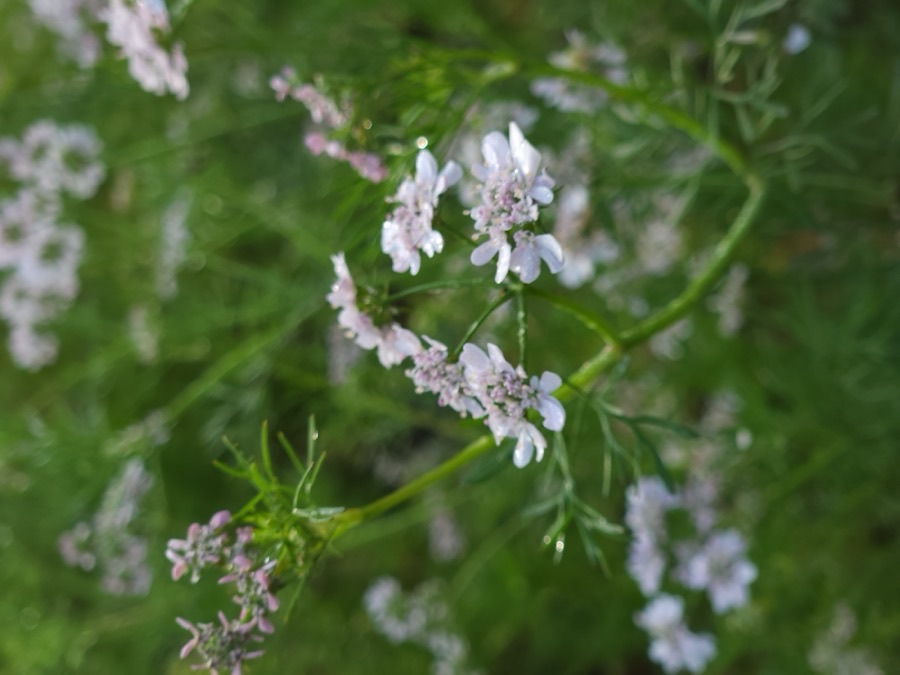
The leaves higher up the stem look completely different. What does that mean?
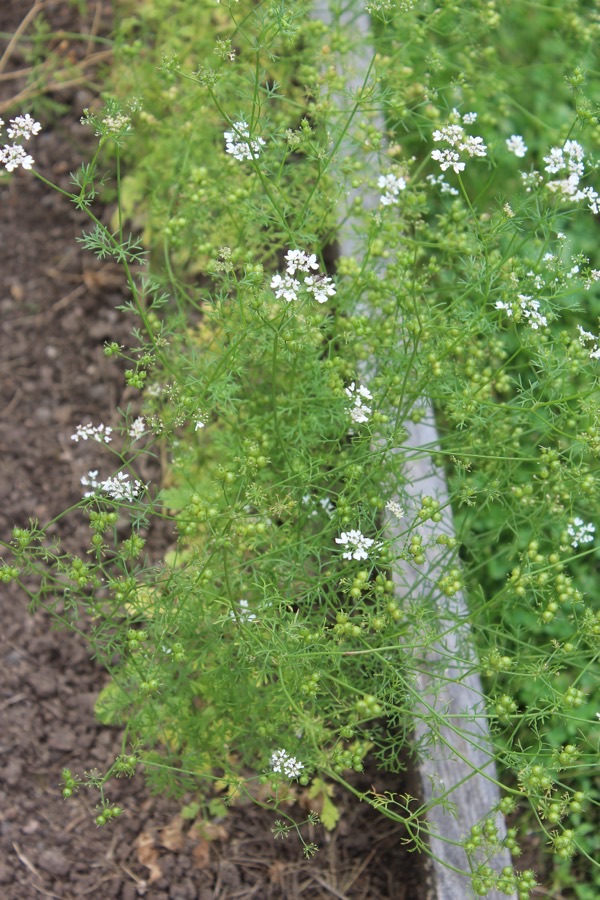
What does the whole plant look like when it is grown for seed?
This plant is also a dravya of Ayurveda. Dhanyaka in Dravyaguna: its botanical identity, rasa, virya and karma, the part used, the dose the texts give, and its safety record.