 Laisha
AI Operating System for Agriculture
Enter Laisha
Laisha
AI Operating System for Agriculture
Enter Laisha
Murraya koenigii · Also called: Curry tree, Sweet neem, Kadi patta, Karivepaku, Karuveppilai, Kariveppila, Kadipatta, Meetha neem
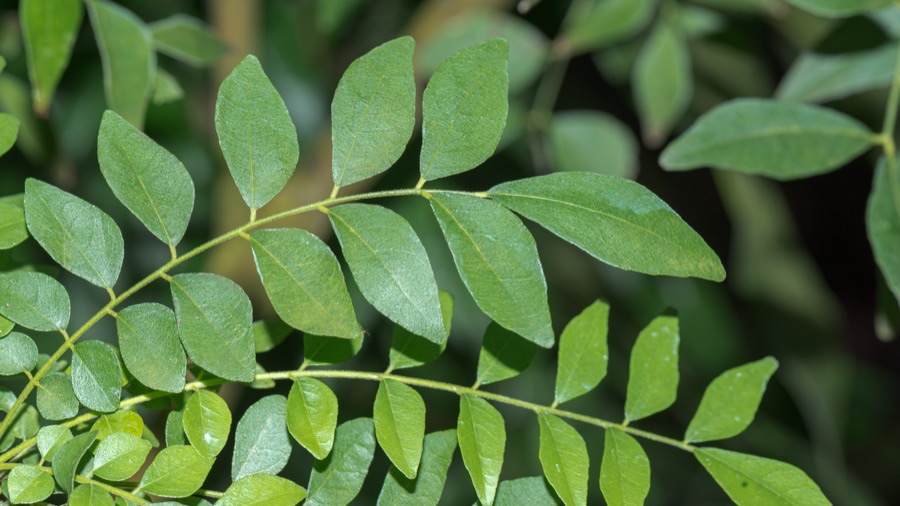
Photo: Flocci Nivis, CC BY 4.0 (Wikimedia Commons)
Curry leaf is a small tree that pays for its corner of ground many times over. It takes up little space, it needs almost nothing once established, it lives for decades, and it can be picked from every few weeks for most of the year. In South India and Sri Lanka it is in the first spoonful of nearly every cooked dish, which means a steady local demand that does not vanish in a bad season, and there is a growing export trade in fresh and dried leaf. For a smallholder it belongs in the same category as a lemon tree by the door: not the crop that feeds the family, but a reliable small income that costs very little to keep. The one thing to understand before planting is that it is a citrus relative, and that brings a pest problem worth taking seriously.
If you see: Tiny winged insects sitting at an angle on the new shoots, waxy white threads, twisted new leaves and sticky residue.
It likely means: Citrus psyllid. On this plant it is a nuisance; on a citrus orchard nearby it is a catastrophe, because it carries citrus greening disease.
Do this: Check every new flush, since the insect breeds only on soft new growth.
If you see: A tall bare-stemmed plant with all its leaf high up out of reach.
It likely means: It was never pinched. This plant is naturally a small tree and it will become one unless it is kept cut back.
Do this: Pinch out the top of the main stem while the plant is between half a metre and a metre high.
If you see: Seed sown carefully that never comes up at all.
It likely means: The seed was too old. Curry leaf seed loses the ability to germinate within weeks, so dried stored seed is usually dead.
Do this: Collect seed from ripe black berries and sow it within a few days.
If you see: Leaves yellowing and dropping, often after cold weather or after heavy rain.
It likely means: Either cold or waterlogging. This is a warm-country plant that will not stand frost and will not stand wet feet.
Do this: Improve drainage so water never stands around the stem.
If you see: Large caterpillars eating the leaves, sometimes looking like bird droppings when small.
It likely means: Swallowtail butterfly caterpillars. They feed on citrus-family leaves and a few of them can strip a young plant.
Do this: Pick them off by hand, which is entirely practical on a plant kept low.
If you see: Leaf that looks fine but has little smell, and a buyer paying less than usual.
It likely means: Either it was picked too young and soft, or it has been too long in the heat since picking, or it has been dried in the sun.
Do this: Pick mature dark green leaf rather than the soft pale new flush.
Growing the crop is only part of the job. The last part is knowing what a normal harvest looks like where you are, and knowing what your curry leaf is worth before you agree a price with anybody.
If you forget every other page of this guide, keep these lines. They are the whole crop, in order, short enough to carry in your head.
What does the leaf look like?
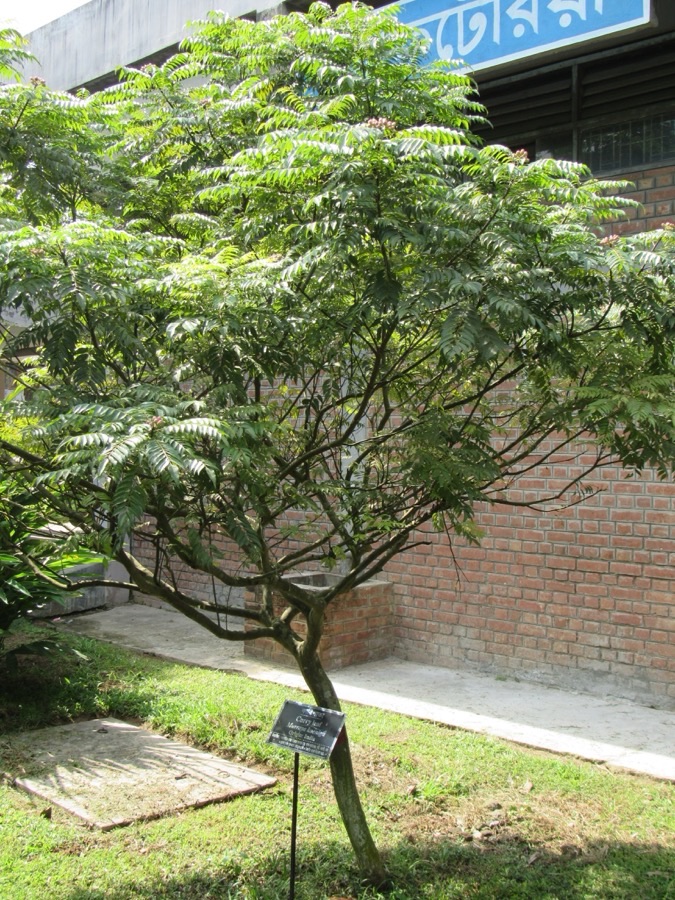
What does the whole plant look like?
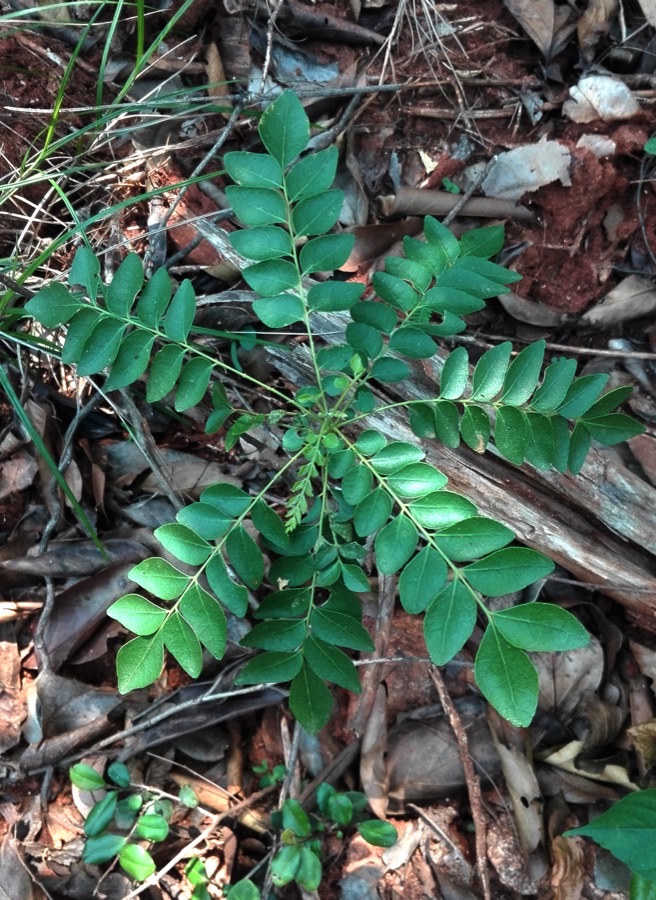
What is the easiest way to get a new plant?