 Laisha
AI Operating System for Agriculture
Enter Laisha
Laisha
AI Operating System for Agriculture
Enter Laisha
Annona squamosa · Also called: Sugar apple, Sweetsop, Sitaphal, Sitafal, Sharifa, Shareefah, Ata, Aata
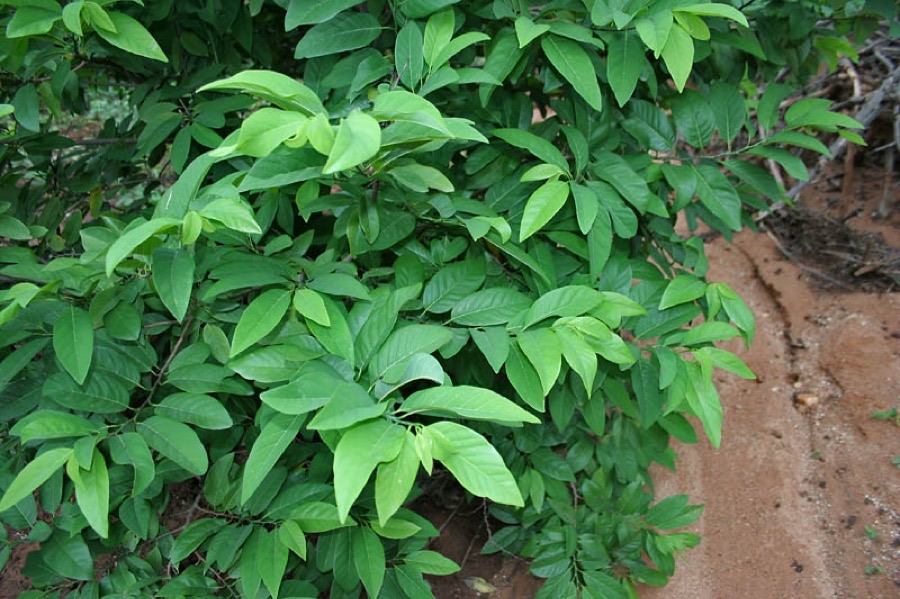
Photo: J.M.Garg, CC BY-SA 4.0 (Wikimedia Commons)
Custard apple is the fruit tree for land that was written off. It crops on shallow stony ground, on hillsides and on rocky wasteland across the Deccan, and it wants a dry season rather than fearing one. In India it is sitaphal and grows half-wild across whole districts of Maharashtra, Andhra Pradesh, Telangana, Karnataka, Gujarat and Madhya Pradesh; it is grown commercially in Thailand, the Philippines, Indonesia, Brazil, Egypt, Australia and across the Caribbean and West Africa. It starts bearing in three or four years rather than ten, it needs almost nothing bought in, and the fruit sells high because it does not travel and so cannot be brought in from elsewhere. That last fact is the whole opportunity and the whole problem in one.
If you see: A tree that flowers heavily every year and sets only a handful of fruit.
It likely means: Poor pollination, and it is normal for this crop rather than a fault in your tree. The flower is female first and male afterwards, and it barely opens, so almost nothing can pollinate it naturally.
Do this: Hand pollinate: collect pollen from male-stage flowers in the evening and brush it onto female-stage flowers next morning.
If you see: Fruit splitting open on the tree before it is ready to pick.
It likely means: A sudden soaking after a dry spell, from rain or from irrigation. The inside swells faster than the skin, and the segments pull apart.
Do this: Water little and often through the dry weeks rather than flooding occasionally.
If you see: Fruit that softens but stays bland, chalky or sour instead of sweet.
It likely means: It was picked before the segments began to separate. This fruit ripens after picking but only if it was mature when it came off.
Do this: Wait until pale creamy lines show between the segments before picking.
If you see: White fluffy patches packed into the grooves between the fruit segments.
It likely means: Mealybugs, which shelter exactly where nothing can reach them. Ants carry them up the tree and protect them.
Do this: Control the ants first, since removing them removes most of the problem.
If you see: Fruit that left the farm firm and reached the market bruised, blackened or crushed.
It likely means: It was packed in depth. This fruit has a thin skin and soft segments and simply will not carry weight on top of it.
Do this: Pack in single layers in shallow trays with padding, never in deep sacks.
If you see: Severe eye irritation, pain or injury after handling or crushing the seeds.
It likely means: Custard apple seeds are genuinely poisonous and are used as an insecticide. Seed powder in the eye causes serious damage.
Do this: Never crush seeds near your face, and never let children play with them.
Growing the crop is only part of the job. The last part is knowing what a normal harvest looks like where you are, and knowing what your custard apple is worth before you agree a price with anybody.
If you forget every other page of this guide, keep these lines. They are the whole crop, in order, short enough to carry in your head.
What does a custard apple tree look like?
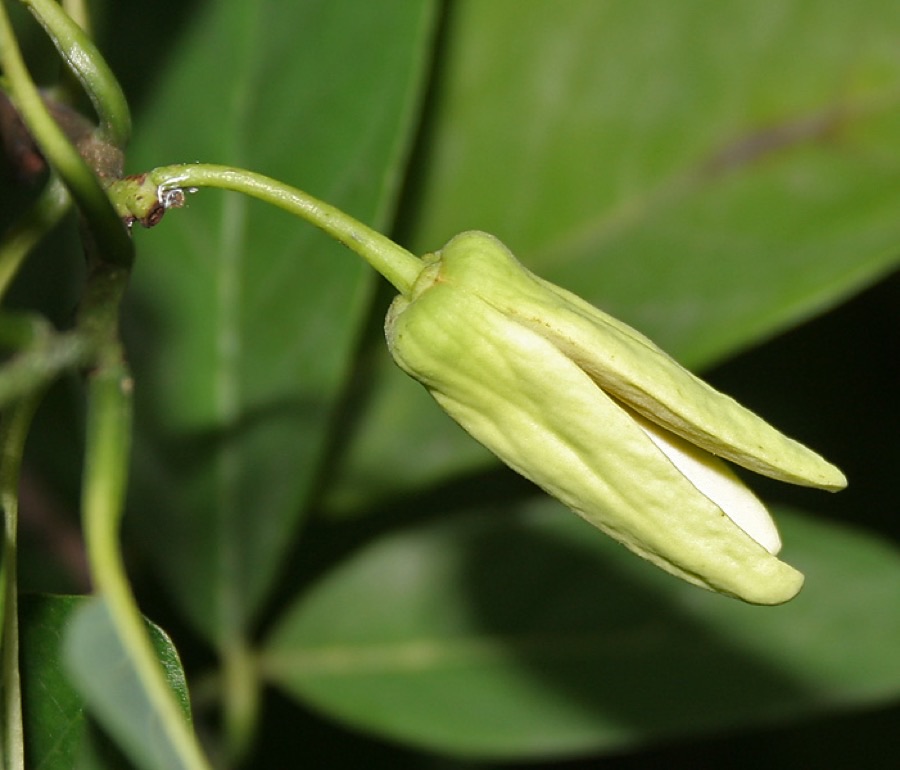
Why does this flower need help to set fruit?
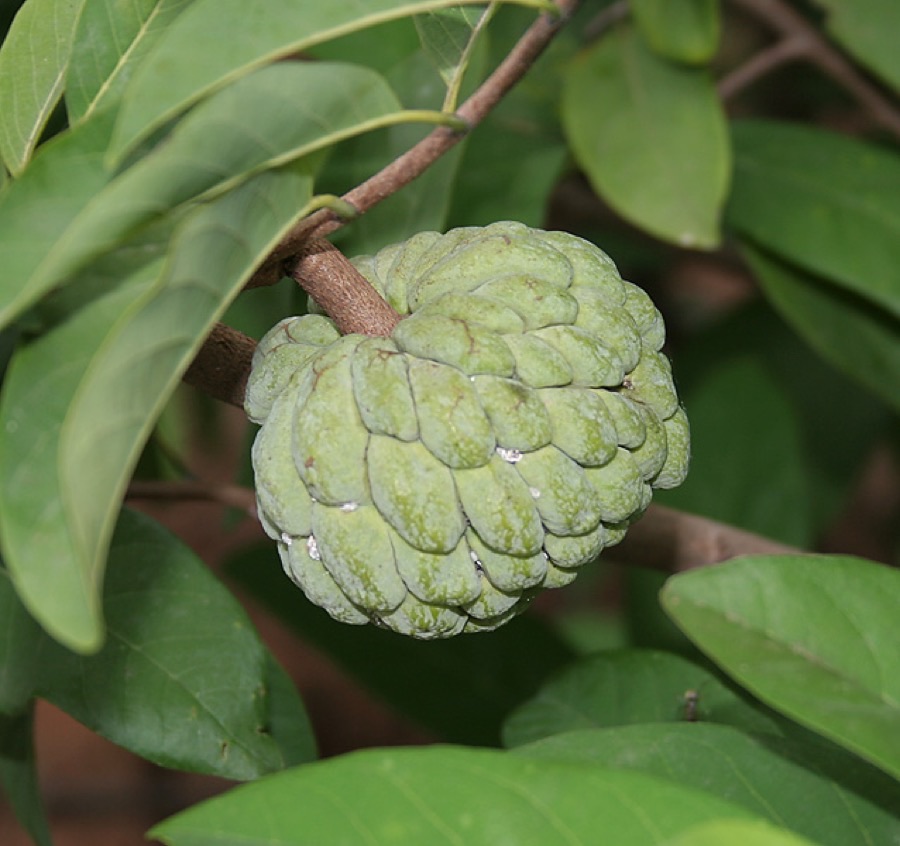
When is the fruit ready to pick?