 Laisha
AI Operating System for Agriculture
Enter Laisha
Laisha
AI Operating System for Agriculture
Enter Laisha
Rosa × damascena · Also called: Rose of Kazanlak, Gol-e Mohammadi, Isparta rose, Paneer rose, Chaiti gulab, Rosa damascena
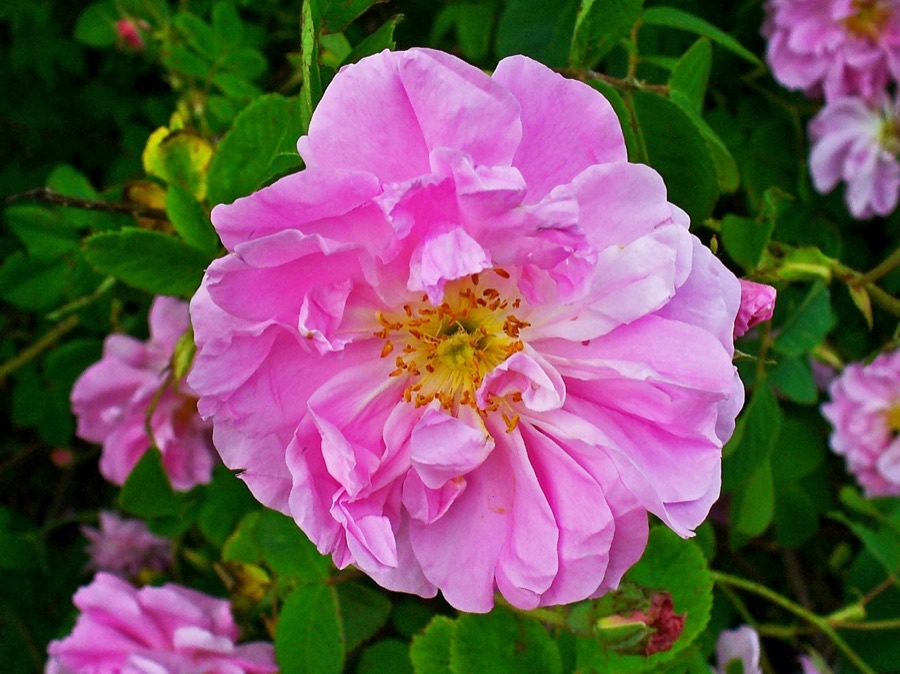
Photo: H. Zell, CC BY-SA 3.0 (Wikimedia Commons)
Damask rose is the most concentrated crop in this library. It takes something like three to four thousand kilograms of fresh flowers to make one kilogram of rose oil, which is why that oil is among the most expensive agricultural products on earth. The whole crop comes off in three or four weeks, and within each of those days it comes off in about four hours: the flowers must be picked from before sunrise until mid-morning, because the oil leaves the petals as the sun warms them. A field picked at noon is worth a fraction of the same field picked at dawn. Bulgaria, Turkey and Iran are the great producers, with India, Afghanistan and Morocco also growing it. Almost nothing else in farming rewards being early in the morning quite so directly.
If you see: A good crop of flowers giving a disappointing weight of oil.
It likely means: Almost always picking too late in the day. The oil leaves the petals as the sun warms them, and it goes fast.
Do this: Start picking before sunrise, in the half-dark, and stop by nine or ten.
If you see: Bags of flowers that are warm inside, smell sour, and have gone brown before reaching the still.
It likely means: They were packed tight or left standing. A deep heap of petals heats and ferments within hours.
Do this: Drop the flowers loosely into cloth bags or open baskets, never packed down.
If you see: A planting of beautiful healthy roses that gives almost no oil at all.
It likely means: The wrong rose was planted. Most garden and florist roses carry very little oil however good they look.
Do this: Get planting material from a grower who actually distils, so the plant is known to carry oil.
If you see: Flowers battered, browning and mouldy after rain during the flowering weeks.
It likely means: Rain at flowering. It washes oil out of open flowers and starts mould in them, and there is no treatment for it.
Do this: Choose a district where the flowering weeks are dry, since this is a planting decision more than a growing one.
If you see: Healthy bushes carrying far fewer flowers than they should.
It likely means: Usually pruning that was too light or done at the wrong time, sometimes a winter too mild, sometimes too much nitrogen.
Do this: Prune hard every year straight after flowering, since the flowers come on wood made the season before.
If you see: A field in full flower with too few pickers to clear it before the sun is up.
It likely means: The area was planned before the labour was. The whole crop comes off in four hours a day for three or four weeks.
Do this: Plan the area from the number of pickers you can reliably get before dawn, not the other way round.
Growing the crop is only part of the job. The last part is knowing what a normal harvest looks like where you are, and knowing what your roses are worth before you agree a price with anybody.
If you forget every other page of this guide, keep these lines. They are the whole crop, in order, short enough to carry in your head.
How do you know it is the right rose?
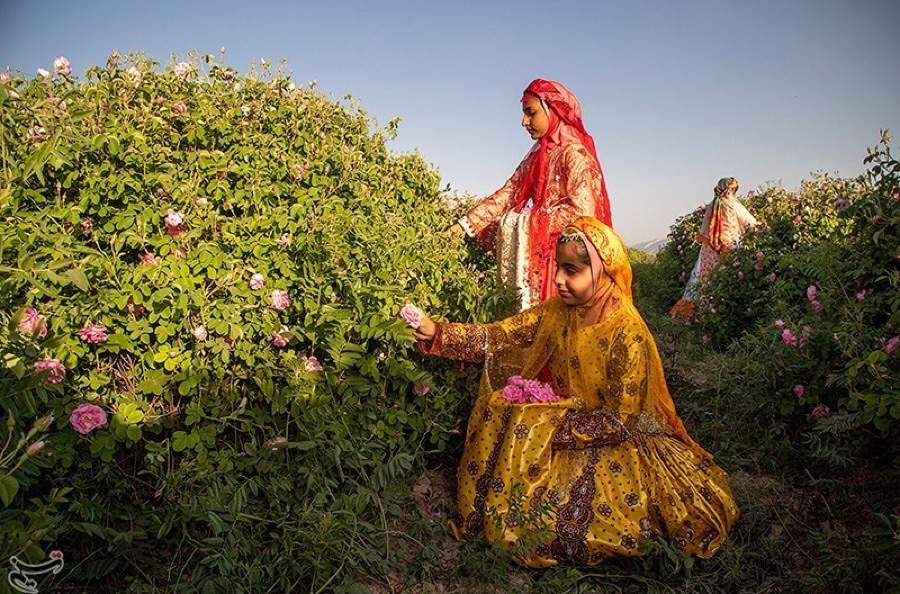
What does the harvest look like?
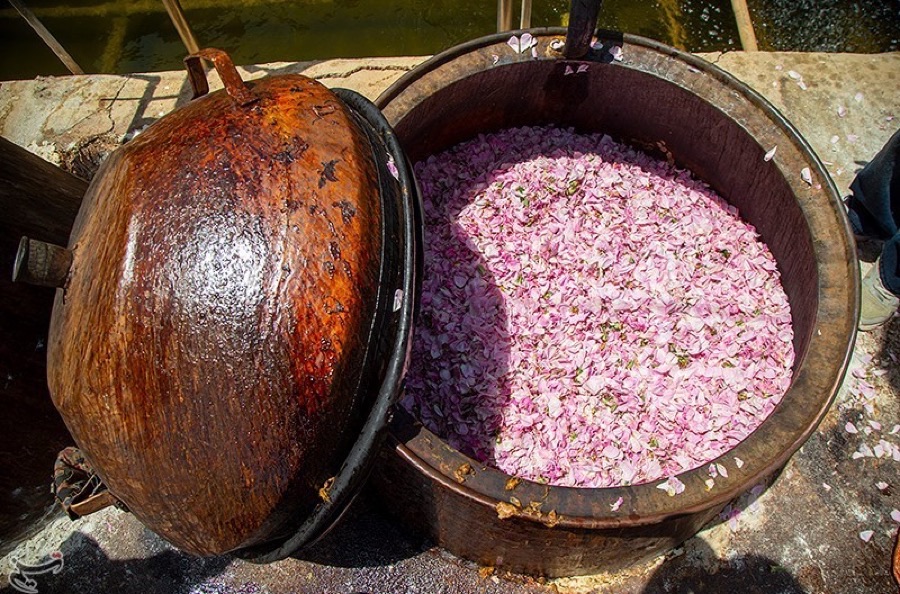
What happens to the flowers?