 Laisha
AI Operating System for Agriculture
Enter Laisha
Laisha
AI Operating System for Agriculture
Enter Laisha
Ensete ventricosum · Also called: False banana, Ethiopian banana, Abyssinian banana, Ensete, Wese, Weese, Asat, Koba
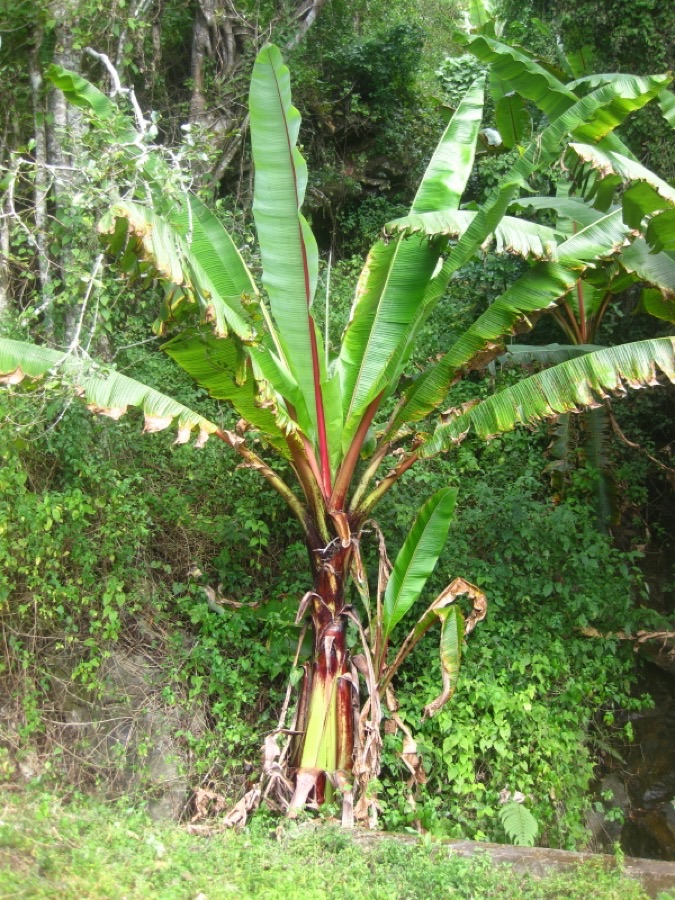
Photo: Ton Rulkens, CC BY-SA 2.0 (Wikimedia Commons)
Enset feeds something in the order of twenty million people in the Ethiopian highlands and is grown almost nowhere else as a crop. It has been called the tree against hunger, and the name is earned: a stand of enset can be harvested in any month of the year, the processed food keeps in a pit for years, and the plant carries on through droughts that destroy grain crops entirely. A household with enough enset behind the house does not have a hungry season. Very little has ever been written about it in English compared with crops of a tenth its importance, which is one reason it is here.
If you see: Young central leaves yellowing, wilting and folding while the outer leaves still look healthy, and a yellow sticky ooze when a leaf base is cut.
It likely means: Bacterial wilt. It is the single greatest threat to this crop, it has no cure, and it spreads most often on cutting tools and on suckers taken from infected gardens.
Do this: Dig out the affected plant with its whole corm and destroy it, rather than cutting it off at ground level.
If you see: A harvested plant that gives far less pulp than expected, with a stringy stem and a small spent corm, after it had flowered and set fruit.
It likely means: It was left too long. The plant spent years storing starch in order to flower, and once it has flowered and seeded that starch is gone.
Do this: Harvest at or just before the flower head appears.
If you see: Plants that stay small and thin year after year, with narrow leaves and a slender base, in a garden away from the homestead.
It likely means: Not enough manure. Enset is one of the hungriest crops there is, and it is grown beside the house for exactly that reason.
Do this: Apply cattle manure generously and repeatedly rather than once at planting.
If you see: Fermented pulp that smells wrong, has gone slimy or discoloured, or has soil and water through it when the pit is opened.
It likely means: The pit let in soil or rainwater, or it was not covered and weighted properly.
Do this: Line the pit well with enset leaves before packing anything into it.
If you see: Plants toppling over or dying with the corm eaten away from underneath, and tunnels or diggings in the ground nearby.
It likely means: Mole rats or porcupines feeding on the corm, which is the second serious loss in this crop after wilt.
Do this: Look for tunnels and fresh diggings when you walk the garden and deal with them promptly.
If you see: Someone waiting for enset to produce a bunch of fruit worth eating, or leaving the plant standing expecting it to keep producing like a banana.
It likely means: It is being treated as a banana. Enset is a different genus, its fruit is dry and full of hard seeds and is not food, and the plant is harvested once by cutting it down.
Do this: Harvest the stem and the corm, which are the food, at or just before flowering.
Growing the crop is only part of the job. The last part is knowing what a normal harvest looks like where you are, and knowing what your fermented product and fibre are worth before you agree a price with anybody.
If you forget every other page of this guide, keep these lines. They are the whole crop, in order, short enough to carry in your head.
What does an enset plant look like, and how is it different from a banana?
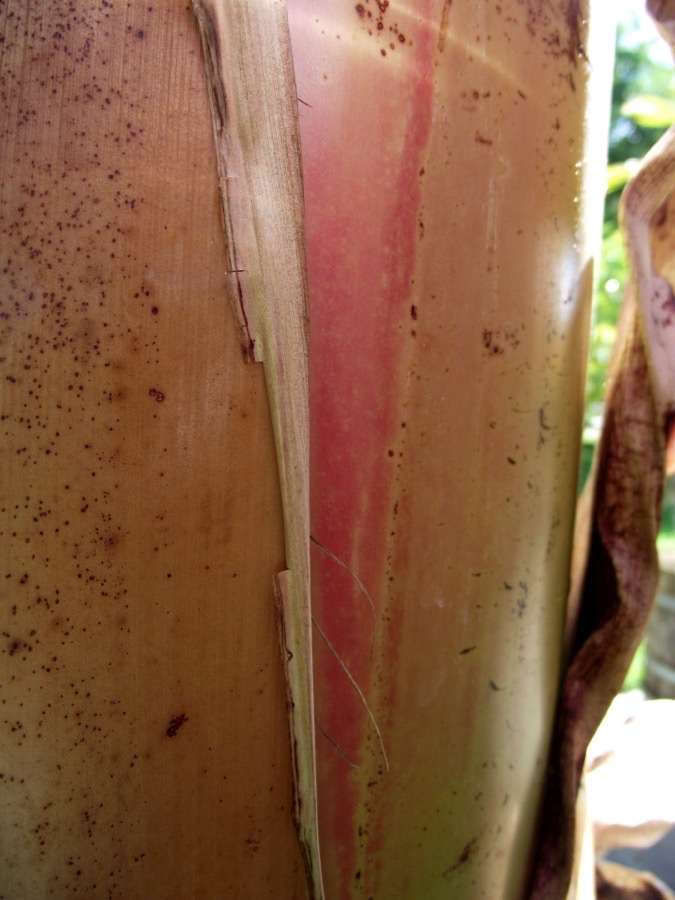
Which part of the plant is scraped, and what does it look like inside?
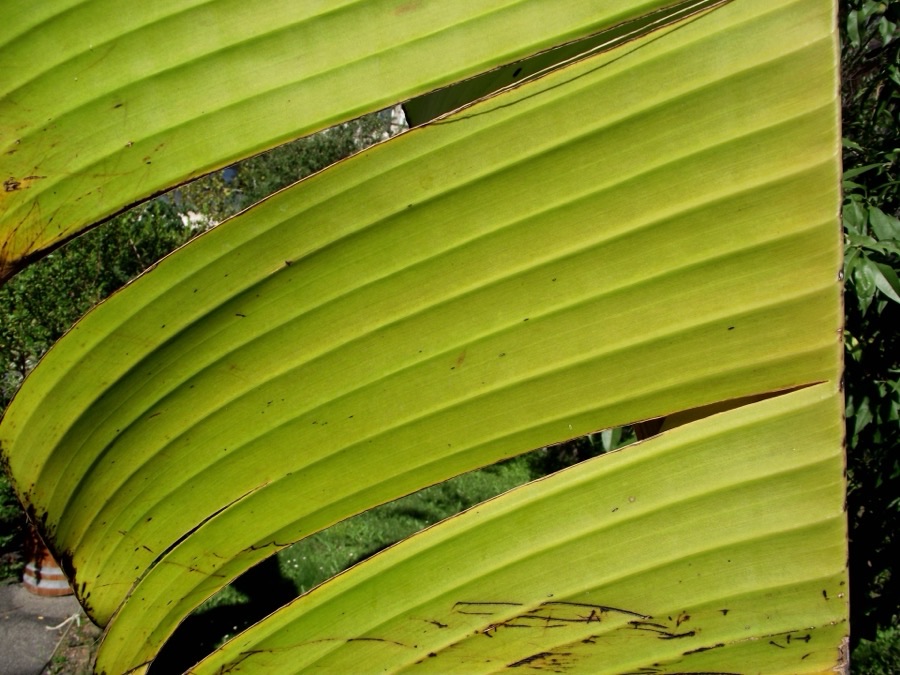
What do the leaves look like, and what else are they used for?