 Laisha
AI Operating System for Agriculture
Enter Laisha
Laisha
AI Operating System for Agriculture
Enter Laisha
Digitaria exilis · Also called: White fonio, Hungry rice, Acha, Findi, Fundi, Foundé, Pom, Iburu
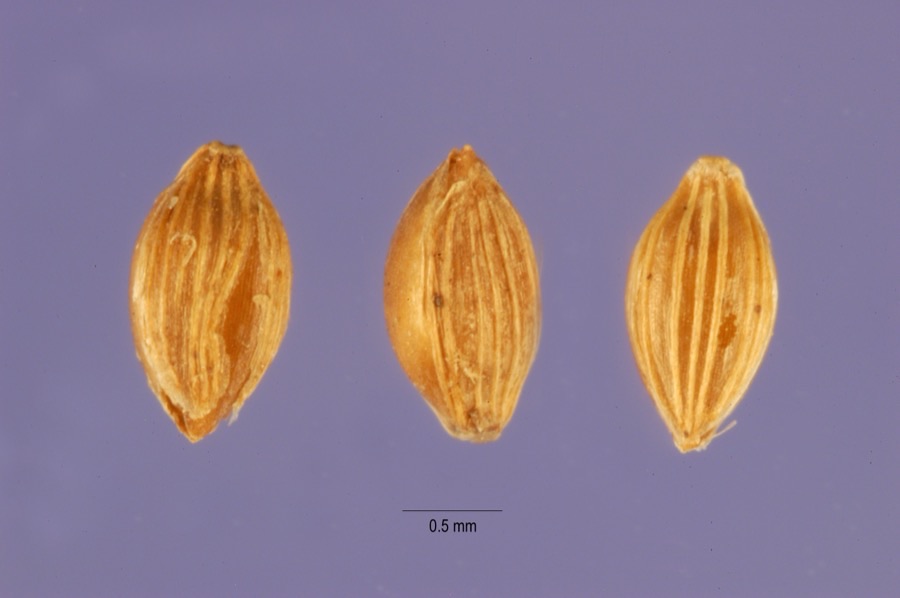
Photo: Jose Hernandez, USDA-NRCS PLANTS Database, Public domain (Wikimedia Commons)
Fonio is probably the oldest cereal in West Africa and it does something no other crop in this library does: it is ready before anything else is. Some kinds are cut seventy to ninety days after sowing, which puts food in the house during the hungry weeks when last year's grain has run out and this year's millet, sorghum and maize are still standing green in the field. That is why it is called hungry rice, and it is not a poetic name. It also grows on shallow, stony, acid, worn-out ground that will carry nothing else, needs no fertiliser at all, and its grain is unusually rich in two amino acids that most cereals are short of. Guinea grows by far the most, with Nigeria, Mali, Burkina Faso, Côte d'Ivoire, Benin and Togo all producing. Its cost is work: the grain is the smallest of any cereal in the world, and everything about handling it is harder for that.
If you see: Grain that grits between the teeth when cooked, or that a buyer rejects or downgrades for sand, although it looks clean enough by eye.
It likely means: It was threshed, dried or gathered on bare soil. Fonio grain and sand grains are almost exactly the same size, so once mixed they cannot be separated.
Do this: Prepare a hard smooth clay threshing floor with a low rim, months before harvest, and sweep it immediately before use.
If you see: Seed that was sown into good moist warm soil and simply did not come up, or came up thin and patchy across the whole field.
It likely means: The seed was too fresh. Fonio seed usually has to rest for some weeks after harvest before it will sprout, or it was buried too deep.
Do this: Use seed that has rested since the last harvest rather than seed straight off this year's crop.
If you see: A field that thinned noticeably after weeding, with obvious gaps where somebody worked, and grass weeds still standing.
It likely means: The crop was pulled out and the weeds left. Young fonio and the crabgrasses it is related to look almost identical.
Do this: Learn the difference from somebody experienced before weeding, rather than after.
If you see: Pale grain lying thickly on the soil under the crop before or during harvest, and a lighter sack than the standing crop suggested.
It likely means: The crop was left too long or handled roughly. Ripe fonio drops its grain very readily.
Do this: Cut when most heads are pale straw but not yet fully dry, rather than waiting for the last of them.
If you see: A tall soft crop lying flat across the field after rain or wind, with the heads down on the soil.
It likely means: The ground was too rich, or nitrogen was applied, or the crop was sown too thickly. Fonio stems are very fine and carry no weight.
Do this: Do not apply nitrogen or heavy manure to fonio, and grow it on poorer ground deliberately.
If you see: Sacks of threshed fonio standing unused for months because nobody has the hours to pound it, while the household buys other grain.
It likely means: Nothing is wrong with the crop. Dehulling fonio by hand is genuinely heavy work and it is the real bottleneck in this crop everywhere it is grown.
Do this: Store the grain in its husk, which keeps well, and pound it as you need it rather than all at once.
If you see: Stored grain that smells musty, cakes together, or carries visible mould after a spell of damp weather.
It likely means: It was stored before it was fully dry, or the store lets in damp. A very small grain takes up moisture faster than a large one.
Do this: Dry the threshed grain hard in the sun on mats before storing anything.
Growing the crop is only part of the job. The last part is knowing what a normal harvest looks like where you are, and knowing what your grain is worth before you agree a price with anybody.
If you forget every other page of this guide, keep these lines. They are the whole crop, in order, short enough to carry in your head.
How small is a fonio grain, really?
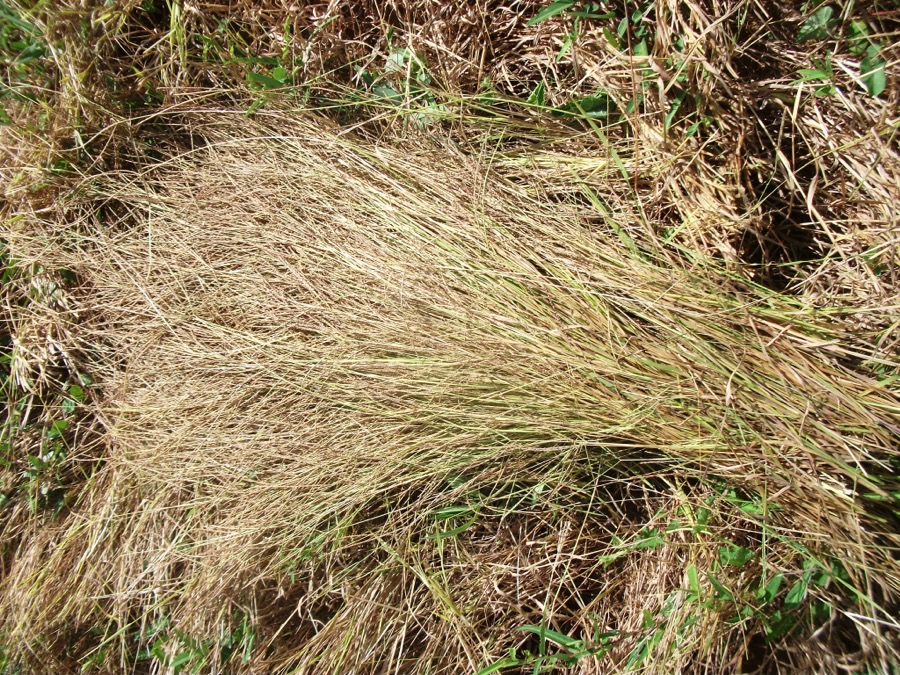
What is this heap of fine pale grass lying in a field?
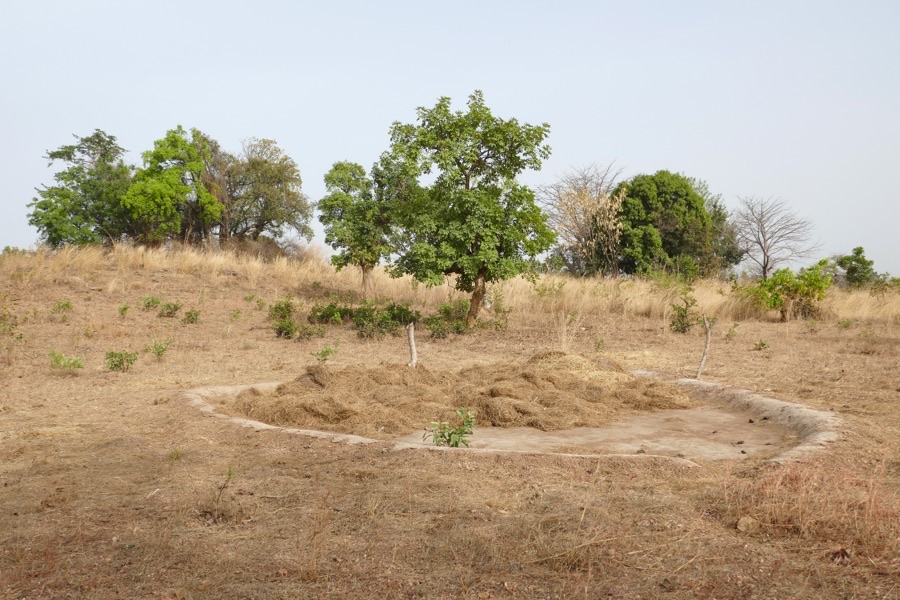
Why has somebody built a smooth clay circle with a rim around it in the middle of a field?