 Laisha
AI Operating System for Agriculture
Enter Laisha
Laisha
AI Operating System for Agriculture
Enter Laisha
Citrus maxima · Also called: Grapefruit & pomelo, Pomelo, Pummelo, Shaddock, Chakotra, Bataavi nimbu, Jambura, Pamplemousse
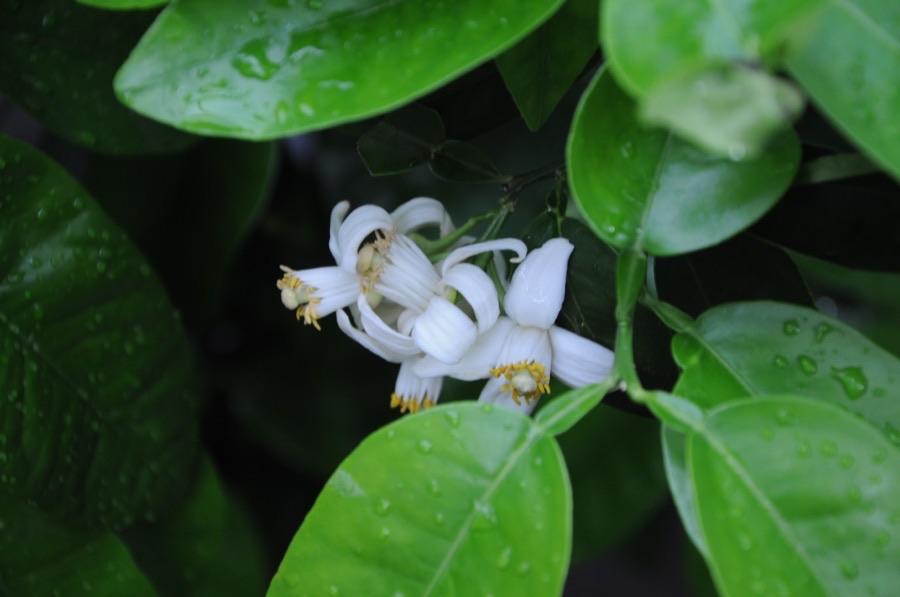
Photo: Amada44, CC BY 3.0 (Wikimedia Commons)
These are two crops counted as one, and they divide the world between them. The pomelo is an ancient Asian fruit, the largest citrus there is, with a thick protective peel that lets it travel and keep in a way no thin-skinned citrus can, and it is grown across China, Vietnam, Thailand and India. The grapefruit is a newcomer bred from it, grown commercially for juice and for fresh fruit in the United States, Mexico, South Africa and Turkey. Both come off trees that crop for thirty years or more, and both share the same great modern problem: citrus greening disease, which has no cure and has already destroyed orchards across Asia, Africa and the Americas. One honest note for anybody selling grapefruit: it genuinely interferes with a number of prescribed medicines, which is a real and documented effect and worth knowing about the fruit you sell.
If you see: Yellow blotches on leaves that do not match on the two sides of the midrib, one branch yellowing while the rest stays green, and small lopsided bitter fruit that stays green at the bottom end with dark shrivelled seeds.
It likely means: Citrus greening disease. It is carried by a tiny sap-feeding psyllid, it cannot be cured, and an infected tree declines and dies over a few years.
Do this: Remove and destroy confirmed trees rather than nursing them, because they will not recover and they keep infecting the rest.
If you see: Fruit of full size and good colour that is still sharply sour when you taste it, sometimes weeks after you expected it to be ready.
It likely means: Not enough heat. Grapefruit in particular needs a long spell of real heat to build sugar, and colour has very little to do with it.
Do this: Taste before you pick, always, since citrus does not sweeten at all once it is off the tree.
If you see: Fruit splitting open at the bottom end on the tree, usually after heavy rain or a heavy watering that followed a dry spell.
It likely means: A sudden swing in water. The inside of the fruit swells faster than the skin can stretch, and the skin gives way.
Do this: Water steadily rather than letting the ground dry out and then watering heavily.
If you see: Trees that thin from the top, yellow all over, and decline slowly, with dark sunken patches and sometimes oozing gum low on the trunk near the soil.
It likely means: Root and collar rot, which is a drainage problem before it is a disease problem, and often begins where soil or a soil cover was piled against the trunk.
Do this: Pull soil, weeds and any soil cover back away from the trunk so that the bark is dry and can be seen.
If you see: Raised corky brown spots with a yellow ring around them on leaves, twigs and fruit, spreading fast after storms and wind-driven rain.
It likely means: Citrus canker, a bacterial disease that marks the fruit and is spread by wind-blown rain and by people and tools moving through a wet orchard.
Do this: Do not work in the orchard while the trees are wet, since that is how it is carried from tree to tree.
If you see: Leaves that are pale yellow between green veins, in an even pattern that is the same on both sides of the midrib, often worst on the newest leaves.
It likely means: A nutrient the tree cannot take up, usually iron or zinc, often because the soil is too limey or too wet, rather than a disease.
Do this: Compare the two sides of the leaf, because an even pattern is a nutrient problem and a blotchy uneven one is greening.
If you see: Fruit developing soft watery patches and blue or green mould in store, spreading from one fruit to its neighbours within days.
It likely means: The skin was broken at picking or handling. Citrus rots in store almost entirely through wounds rather than through sound skin.
Do this: Clip the fruit with a short stalk and cut it flush, rather than pulling it and tearing the skin.
Growing the crop is only part of the job. The last part is knowing what a normal harvest looks like where you are, and knowing what your fruit is worth before you agree a price with anybody.
If you forget every other page of this guide, keep these lines. They are the whole crop, in order, short enough to carry in your head.
What are these white flowers with the strong scent on a citrus tree?
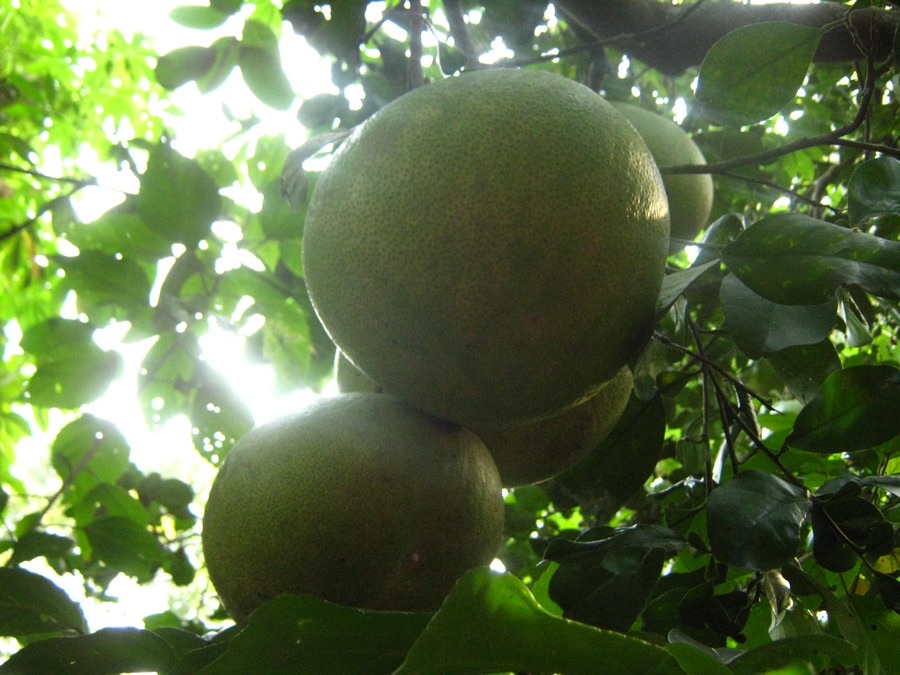
These fruits are enormous and still green. Are they ready?
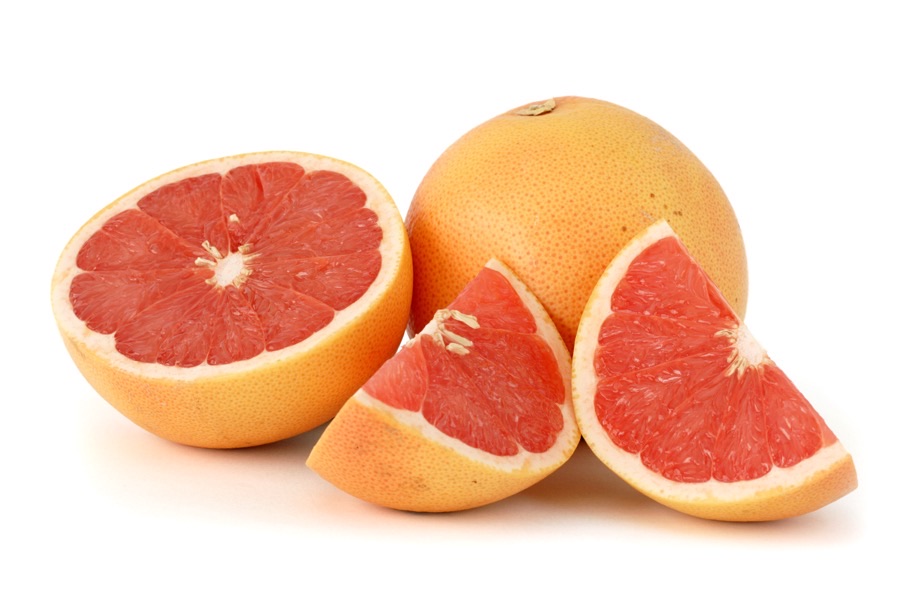
What should a good fruit look like when it is cut open?