 Laisha
AI Operating System for Agriculture
Enter Laisha
Laisha
AI Operating System for Agriculture
Enter Laisha
Cyamopsis tetragonoloba · Also called: Cluster bean, Guar bean, Gavar, Gawar, Guvar, Kothavarangai, Goruchikkudu, Chavlikai
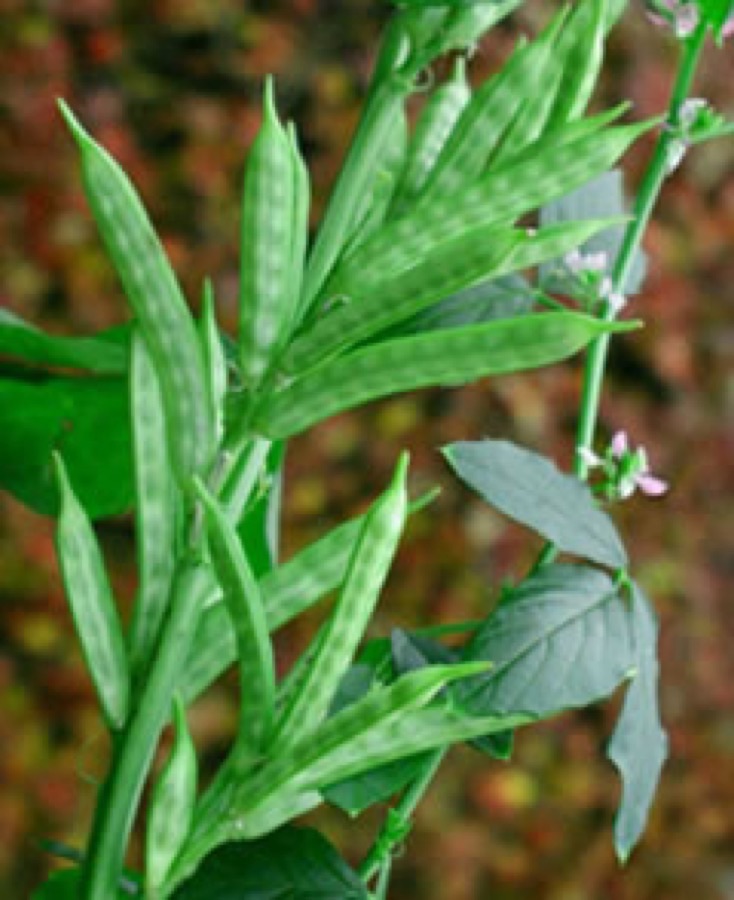
Photo: த*உழவன், Public domain (Wikimedia Commons)
Guar is a desert legume that turned into an industrial commodity, and a grower who does not understand that is likely to be surprised by the price. The seed's inner part is rich in a gum that thickens water powerfully, and besides its use in food it is bought in very large quantities by the oil and gas industry for drilling. India grows something like four fifths of the world crop, most of it in Rajasthan, with Pakistan, the United States, Australia and Sudan also producing. For a smallholder its attraction is that it produces on hot sandy ground with very little rain, fixes its own nitrogen and leaves the soil better. It also feeds the household directly: the young green pods are an ordinary vegetable long before any seed is dry.
If you see: A good harvest that is worth far less than last year's, or a buyer who has simply stopped buying, with no change in the quality of your seed.
It likely means: The industrial market has moved. Most guar seed is bought for gum used in oil and gas drilling, so the price follows drilling activity rather than the food trade and has swung very sharply in the past.
Do this: Check the price before committing a large area, not after the crop is in the ground.
If you see: Small dark water-soaked spots joining into angular patches on the leaves, sometimes with a shiny film, and matching dark spots on the pods.
It likely means: Bacterial blight, the main disease of guar. It arrives in the seed and spreads in rain and wind.
Do this: Never save seed from a field where blight has appeared, since that is how it travels between seasons.
If you see: Green pods that are stringy and tough when cooked, which nobody in the household wants to eat.
It likely means: They were picked too late. Guar pods go fibrous quickly once the seed inside begins to fill.
Do this: Pick green pods young, while they snap cleanly rather than bending.
If you see: Tall dark green leafy plants with plenty of growth and very few pod clusters.
It likely means: Too much nitrogen or too rich a field. Guar makes its own nitrogen, and extra pushes it into leaf.
Do this: Do not apply nitrogen to guar at any stage.
If you see: Pods stained dark, seed discoloured, or seed already sprouting inside the pod, after rain on a crop that was drying.
It likely means: Rain at the wrong moment. Guar needs a dry finish, and wet drying pods stain and sprout.
Do this: Time the sowing so that podding and drying fall before the rains return.
If you see: Plants yellowing and dying in patches within a day or two of heavy rain, worst in the lowest part of the field.
It likely means: Standing water. Guar tolerates weeks of drought and very little waterlogging.
Do this: Choose sandy well-drained fields, which is where this crop belongs anyway.
If you see: Seed that a buyer deducts for on account of sand and dirt, although it looks reasonably clean.
It likely means: It was threshed or dried on bare soil. This seed is milled for gum, so cleanliness is judged closely.
Do this: Thresh and dry on mats, cloth or a clean hard floor, never on bare ground.
Growing the crop is only part of the job. The last part is knowing what a normal harvest looks like where you are, and knowing what your seed is worth before you agree a price with anybody.
If you forget every other page of this guide, keep these lines. They are the whole crop, in order, short enough to carry in your head.
Why are all the pods on this plant bunched together against the stem?
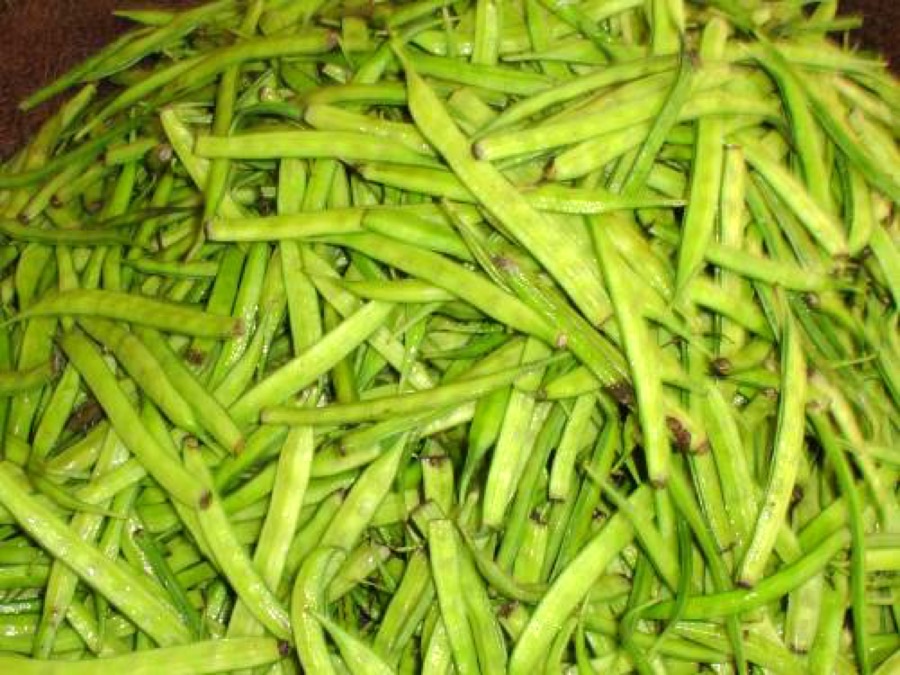
How young should the pods be if I am picking them to eat?
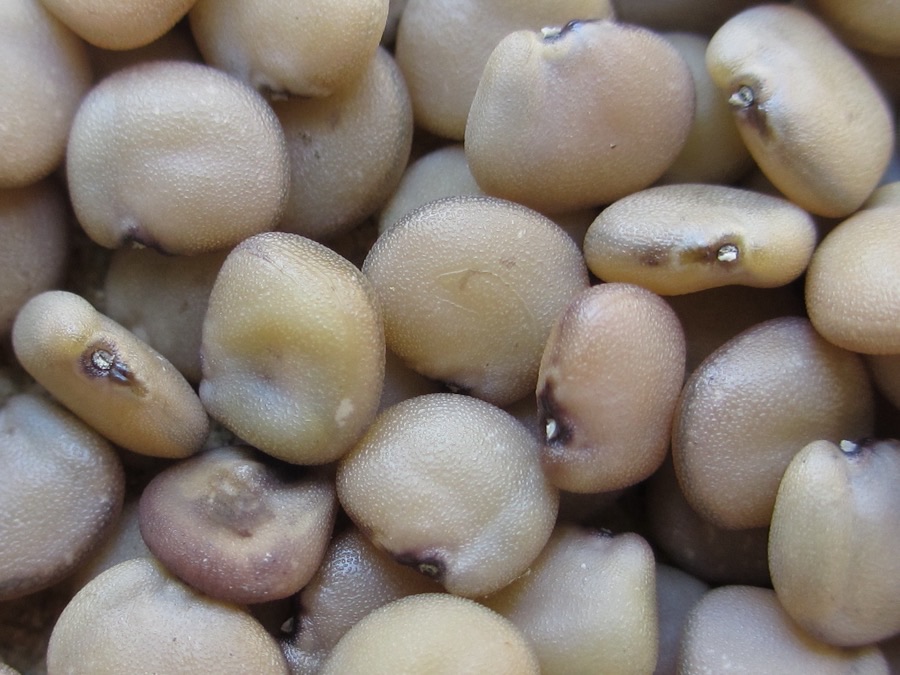
What does the dry seed look like, and what is it actually bought for?