 Laisha
AI Operating System for Agriculture
Enter Laisha
Laisha
AI Operating System for Agriculture
Enter Laisha
Humulus lupulus · Also called: Hop, Hops, Common hop, Houblon, Hopfen, Lúpulo, Chmel, Humle
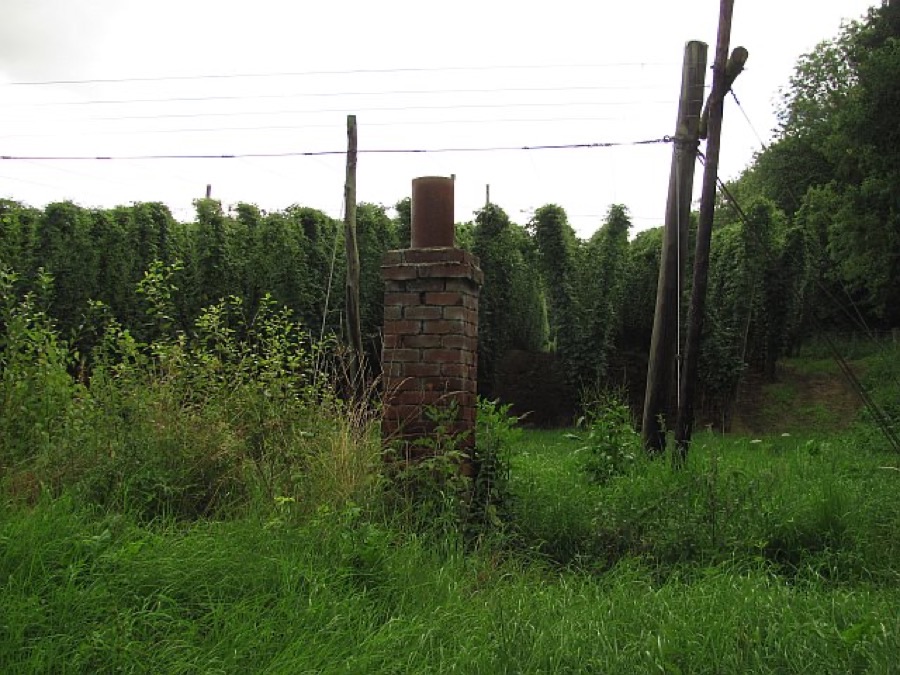
Photo: Richard Webb, CC BY-SA 2.0 (Wikimedia Commons)
Hop is a small crop by area and a large one by value. It is grown almost entirely for brewing, it is sold on laboratory measurements rather than on appearance, and the price per kilogram is many times that of a grain. The United States, Germany, Czechia, China, Poland, Slovenia, the United Kingdom, Australia and New Zealand produce most of the world's crop. It is also one of the most geographically fussy crops in this library: it needs long summer days, which ties it to a band of middle latitudes, and that single fact decides whether it is worth considering where you are.
If you see: Vigorous plants that climb the full height of the trellis every year and produce very few cones or none at all.
It likely means: Day length. Hop needs long summer days to flower, and close to the equator the days are never long enough however good the soil is.
Do this: Check your latitude before planting, since the crop is grown mainly between about thirty-five and fifty-five degrees north or south.
If you see: Heavy cones full of hard seeds, and a buyer paying less for them or refusing them.
It likely means: A male hop plant nearby pollinated the crop. Only female plants are grown, and seeded cones are worth less to a brewer.
Do this: Plant only certified female material, never seed.
If you see: Picked cones that have gone warm, dull and brownish in the heap within a few hours, with a stale smell.
It likely means: They were not dried fast enough. A heap of fresh hop cones generates its own heat and spoils very quickly.
Do this: Get cones into the dryer within hours of picking, without exception.
If you see: Dried cones that shatter when handled, with yellow dust at the bottom of the container.
It likely means: They were dried too hard or too hot. That yellow dust is the resin the crop is actually sold for.
Do this: Dry with warm air rather than hot, since high heat also drives off the aroma.
If you see: Stunted pale brittle spikes of new growth with leaves curled downward, and cones that brown and die in a wet season.
It likely means: Downy mildew, which is worst in cool wet weather and can destroy the cones outright.
Do this: Strip the leaves and side shoots from the bottom metre of every bine, which is the single most useful thing you can do.
If you see: Whole bines yellowing and wilting from the bottom upward, sometimes only on one side, with the plant dying over a season or two.
It likely means: A soil-borne wilt. It lives in the soil, it has no cure, and it is the disease that ends hop gardens.
Do this: Clean tools and boots between gardens, since it travels that way.
If you see: Young bines unwinding themselves from the strings and lying on the ground in the early part of the season.
It likely means: They were wound the wrong way. Hop twines clockwise, and a bine trained the other way will undo itself.
Do this: Wind every shoot onto its string clockwise.
Growing the crop is only part of the job. The last part is knowing what a normal harvest looks like where you are, and knowing what your crop is worth before you agree a price with anybody.
If you forget every other page of this guide, keep these lines. They are the whole crop, in order, short enough to carry in your head.
Why is the whole field built like scaffolding?
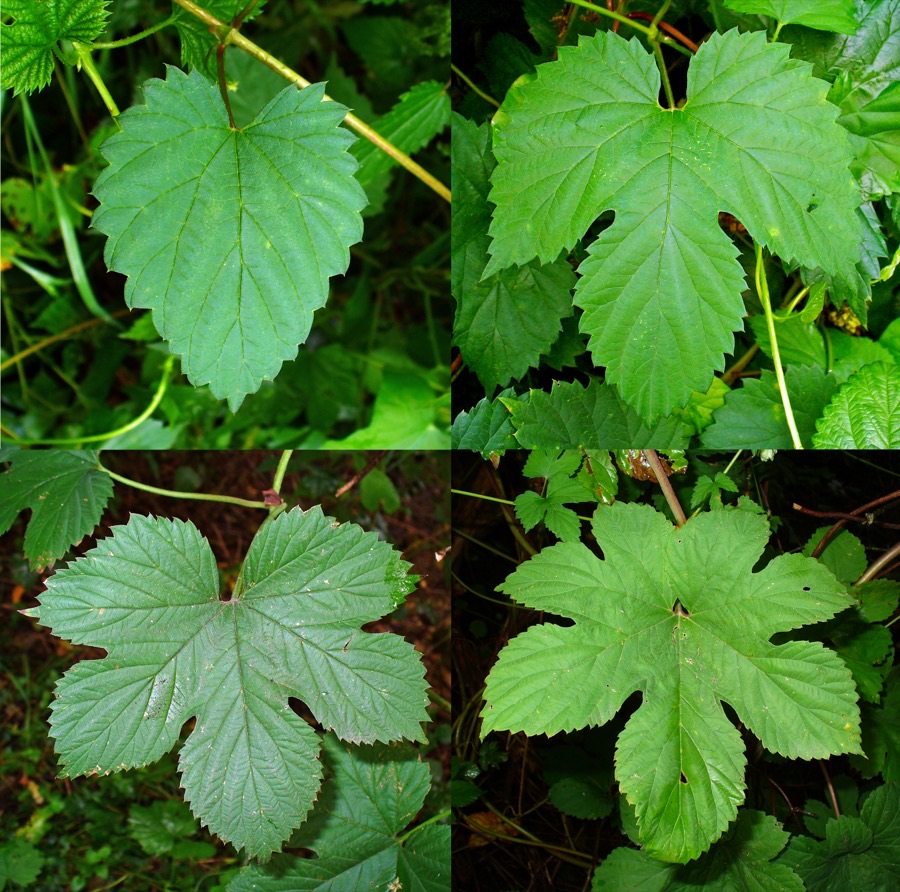
What do the leaves and the climbing stems look like on the plant?
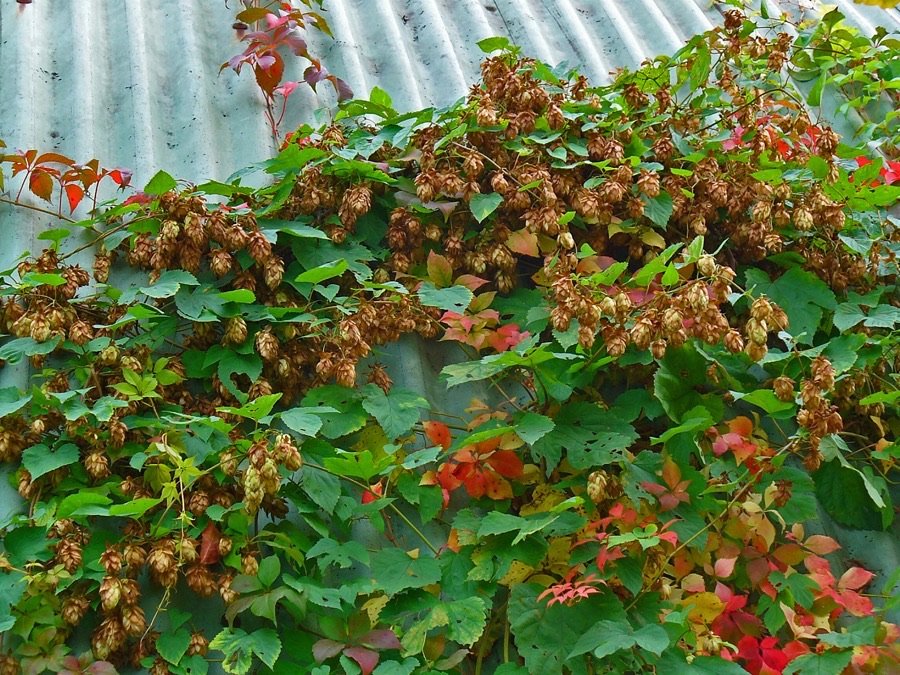
What do the cones look like, and when are they too late?