 Laisha
AI Operating System for Agriculture
Enter Laisha
Laisha
AI Operating System for Agriculture
Enter Laisha
Armoracia rusticana · Also called: Red cole, Hren, Chrzan, Meerrettich, Raifort, Kren, Rábano picante
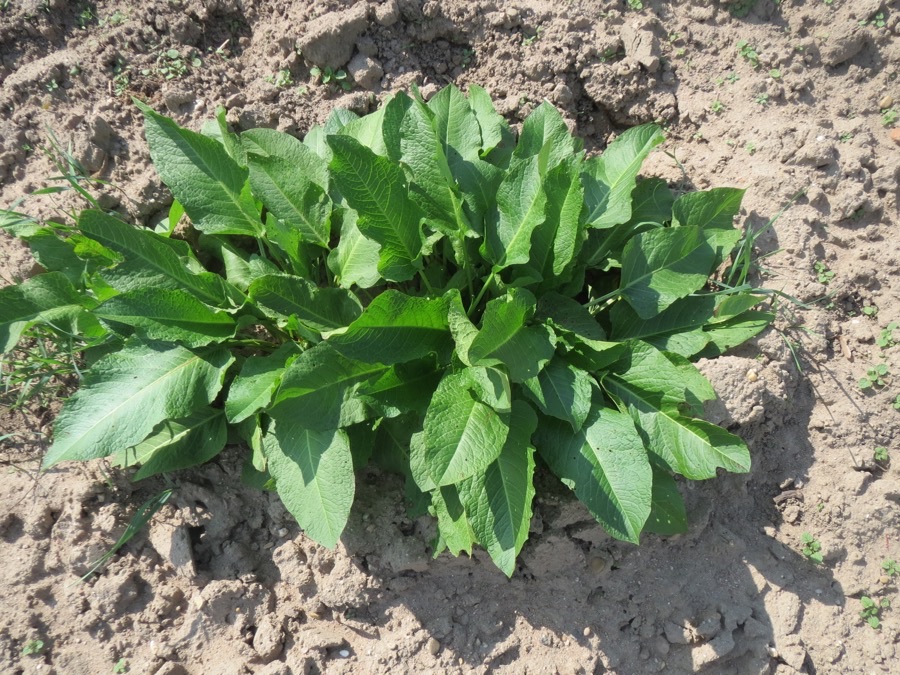
Photo: AnRo0002, CC0 (Wikimedia Commons)
Horseradish is the easiest crop in this library to grow and the hardest to get rid of. It is planted from pieces of its own root, it asks for almost nothing, it survives cold that kills most vegetables, and every fragment left in the ground grows into a new plant. That last fact is the whole decision: this is not a crop you try for a season, it is a crop you agree to keep. In return it gives a thick white root with a heat nothing else produces, sold fresh to kitchens and to processors who grate it into sauce. Central and eastern Europe grow it as a household and field crop, and a single district in the United States claims a large share of the world's supply. It is also the plant most of the world's wasabi is actually made from.
If you see: Horseradish coming up across the plot, in paths, and in beds where you never planted it.
It likely means: Root fragments. Every piece left in the ground after digging, hoeing or ploughing becomes a new plant, and this is normal behaviour rather than a fault.
Do this: Accept that a planted bed is permanent, and choose the position on that basis before planting.
If you see: Roots that have split into several branches instead of making one thick straight root.
It likely means: Stones, a hard layer in the soil, or several leaf crowns each pulling their own root.
Do this: Dig deep and take out every stone before planting, and break any hard layer below.
If you see: Grated horseradish that tasted fierce at first and is mild and flat an hour later.
It likely means: Nothing is wrong. The heat is not stored in the root, it is made when the flesh is broken, and it breaks down again within minutes.
Do this: Grate only what will be used or bottled straight away.
If you see: Roots that are split down the middle or hollow and brown inside when cut.
It likely means: Uneven water. A long dry spell followed by heavy rain or irrigation makes the root grow faster than its skin can follow.
Do this: Water steadily through dry weather rather than heavily now and then.
If you see: Stored roots that have gone soft, rubbery and wrinkled within a few weeks.
It likely means: They were stored too dry or too warm. This root is mostly water and loses it quickly in open air.
Do this: Store cold, damp and dark, packed in moist sand or sawdust.
If you see: Leaves shot full of small round holes, or eaten ragged by green caterpillars.
It likely means: Flea beetles and cabbage white caterpillars. This is a cabbage-family plant and the same things eat it.
Do this: Remember you are selling the root, so moderate leaf damage costs you nothing.
Growing the crop is only part of the job. The last part is knowing what a normal harvest looks like where you are, and knowing what your horseradish is worth before you agree a price with anybody.
If you forget every other page of this guide, keep these lines. They are the whole crop, in order, short enough to carry in your head.
What does the growing plant look like?
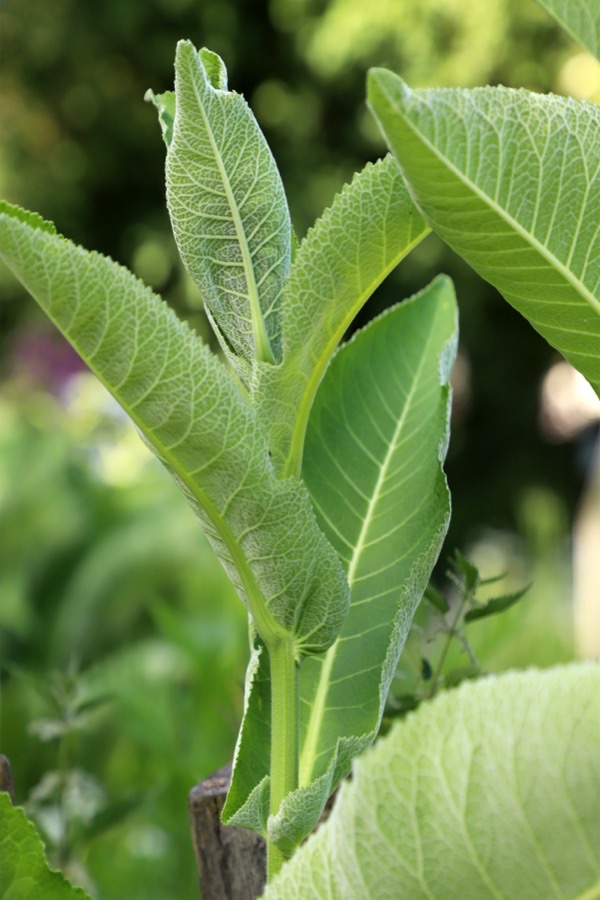
What does a single leaf look like close up?
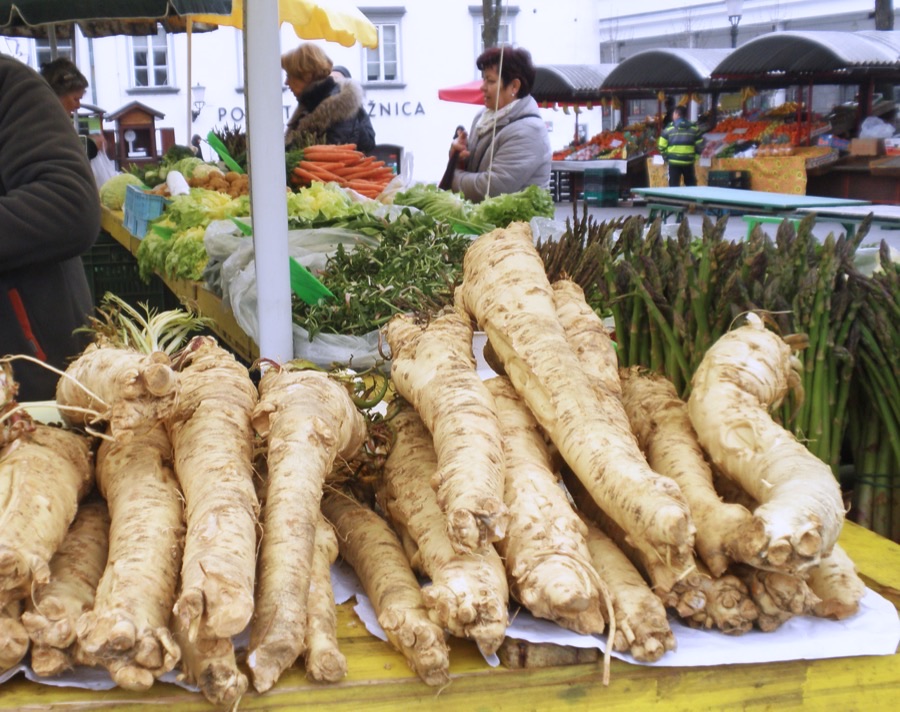
What does the crop look like when it is lifted?