 Laisha
AI Operating System for Agriculture
Enter Laisha
Laisha
AI Operating System for Agriculture
Enter Laisha
Coccinia grandis · Also called: Tindora, Tindori, Tendli, Tondli, Kundru, Kovakkai, Koval, Dondakaya
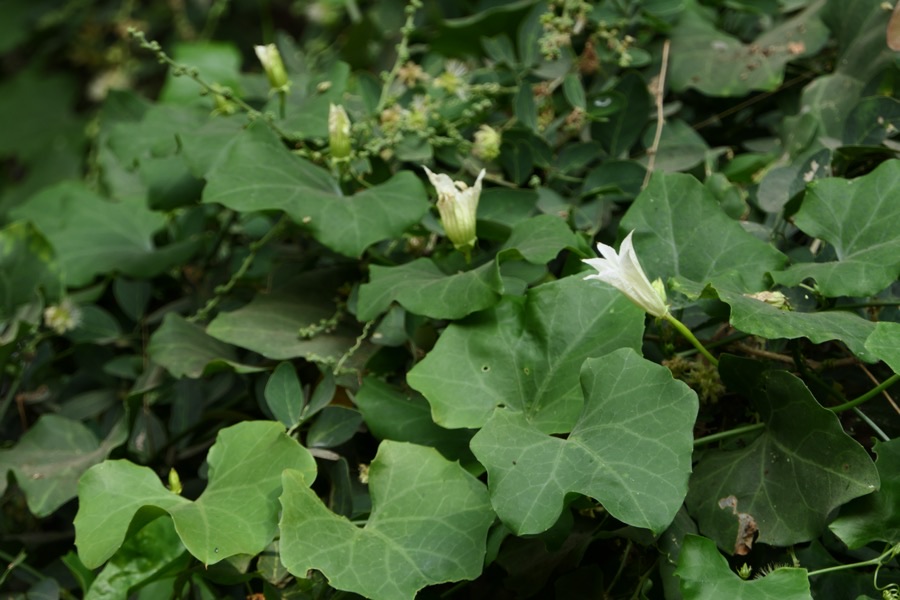
Photo: Dinesh Valke, CC BY-SA 2.0 (Wikimedia Commons)
Ivy gourd is about the fastest return a smallholder can get from a perennial. Push cuttings into the ground, give them something to climb, and they crop within three or four months — and then keep cropping every few days for several years off the same roots. Those roots are tuberous, so the plant survives a dry season that would finish an annual gourd and comes back when the rains do. It is a daily vegetable across India, Bangladesh, Sri Lanka and much of South East Asia, under a dozen names, and the young leaves are eaten as a green as well. For a household plot or a kitchen garden beside a wall, few crops give so much for so little.
If you see: Vigorous healthy vines that flower freely and never produce a single fruit.
It likely means: They are male plants. Male and female flowers are on separate plants in this species, a plant is one or the other for life, and seed gives roughly half of each.
Do this: Look behind the flowers: a female flower has a tiny gourd already formed behind it, a male has nothing.
If you see: Fruit that is pale, fibrous, full of hard seeds, or already turning orange and red on the vine.
It likely means: It was left too long. Ivy gourd is eaten young and the window is only a few days wide.
Do this: Go through the vine every two or three days, not weekly.
If you see: A dense wall of leaf covering the whole frame with fruit only around the outside edges.
It likely means: It has not been cut back, or it has had too much nitrogen. An uncut vine becomes a mat that shades its own fruiting wood.
Do this: Cut the vine back hard once a year to a short framework.
If you see: Fruit with small punctures that goes soft and rotten, with maggots inside when opened.
It likely means: Fruit fly, which lays into the young fruit. The damage is invisible from outside until the fruit is cut.
Do this: Collect every fallen and damaged fruit and bury or burn it.
If you see: The vine climbing into trees, hedges or neighbouring land, rooting wherever a stem touches soil.
It likely means: It is doing what it does. This species smothers what it climbs and roots at the nodes, and it has become a serious invasive weed in Hawaii, parts of Australia, several Pacific islands and the southern United States.
Do this: Check whether it may legally be planted where you are before planting it at all.
If you see: Vines that yellow, wilt and die back, usually in the wettest part of the plot.
It likely means: The tuberous roots have rotted in waterlogged soil. This plant takes drought well and standing water badly.
Do this: Plant on ridges or raised pits where drainage is doubtful.
Growing the crop is only part of the job. The last part is knowing what a normal harvest looks like where you are, and knowing what your ivy gourd is worth before you agree a price with anybody.
If you forget every other page of this guide, keep these lines. They are the whole crop, in order, short enough to carry in your head.
What does an ivy gourd vine look like?
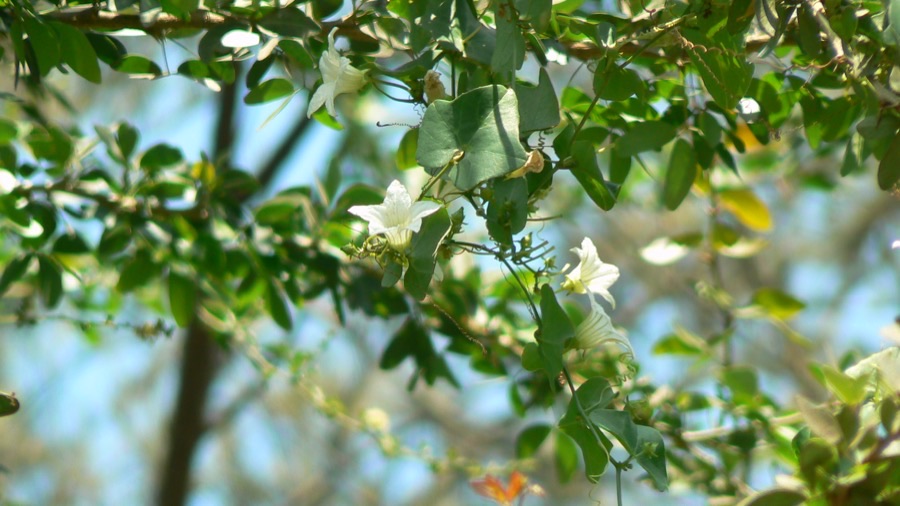
How do you tell a female plant from a male one?
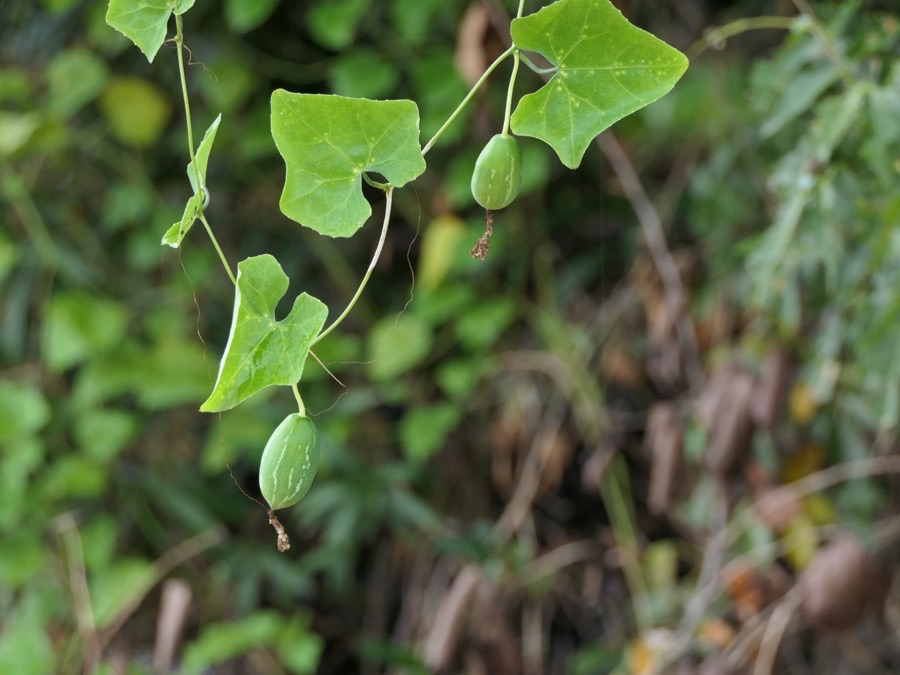
When is the fruit ready to pick?