 Laisha
AI Operating System for Agriculture
Enter Laisha
Laisha
AI Operating System for Agriculture
Enter Laisha
Helianthus tuberosus · Also called: Sunchoke, Topinambour, Topinambur, Sunroot, Earth apple, Girasol, Hathichak, Canada potato
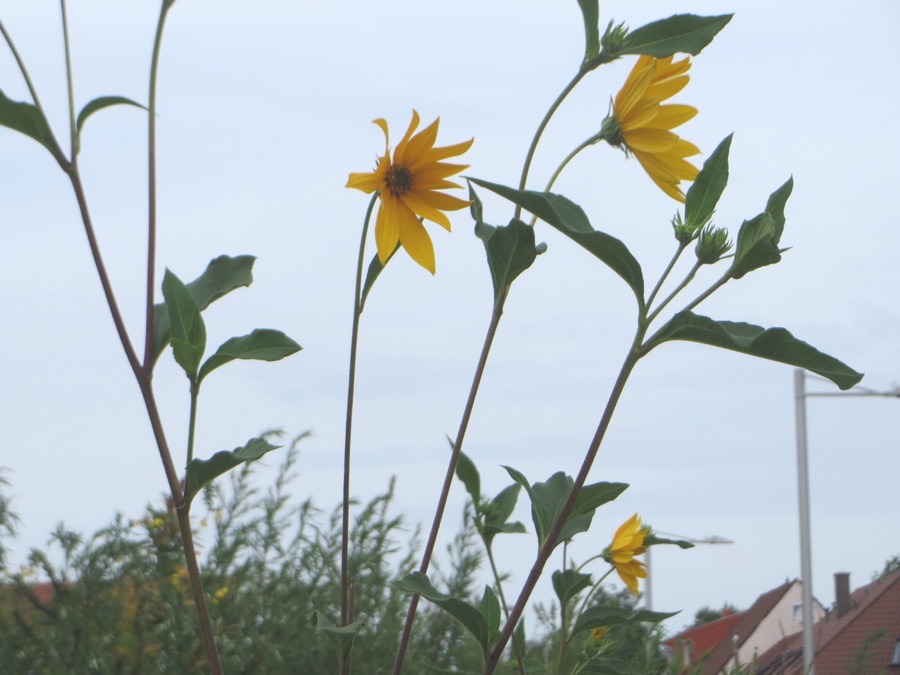
Photo: AnRo0002, CC0 (Wikimedia Commons)
Jerusalem artichoke is close to unkillable, which is both the reason to grow it and the reason to think first. It crops on poor ground with no attention, it stands hard frost, it has almost no pests worth naming, and a good planting gives twenty to forty tonnes a hectare. It also stores itself: the tubers keep far better in the ground than in any shed, so the field is the store and you dig what you need through the winter. That suits a household or a small grower far better than a crop that must all be lifted and then kept. The warning that goes with all this is simple and serious. Every scrap of tuber left in the soil grows next year, so a bed of Jerusalem artichokes is very difficult to remove, and in many countries the plant has escaped and is treated as a weed.
If you see: Plants coming up across the garden or the field, well outside where you planted them.
It likely means: Tubers were left in the ground, or moved in soil, compost or manure. Every fragment grows.
Do this: Dig out escaped shoots with the tuber beneath them, rather than snapping off the stem.
If you see: Lifted tubers going soft and wrinkled within a few days.
It likely means: They dried out. The skin is very thin and gives almost no protection once the tuber is out of the soil.
Do this: Leave the crop in the ground and dig only what you need for the next week or two.
If you see: Tall leafy plants with very few tubers, or only small ones.
It likely means: Usually too rich a soil or too much feeding, sometimes plants too close together, sometimes lifted too early.
Do this: Feed very little, since rich ground gives height rather than tubers.
If you see: The whole stand flattened after wind, with stems snapped.
It likely means: Two or three metres of top growth with nothing holding it. Tall plants on an open site go down in a storm.
Do this: Stake the rows and run a line of string along them.
If you see: Tubers soft and rotten in the ground, in patches.
It likely means: Waterlogging. This crop tolerates almost everything except sitting in wet soil through the winter.
Do this: Plant on free-draining ground, and on a raised bed or ridge where the soil is heavy.
If you see: Tubers so knobbly and irregular that a buyer will not take them.
It likely means: Partly the type you are growing and partly the soil, since heavy or stony ground makes the shape worse.
Do this: Keep planting stock from your smoothest, largest tubers each year.
Growing the crop is only part of the job. The last part is knowing what a normal harvest looks like where you are, and knowing what your Jerusalem artichokes are worth before you agree a price with anybody.
If you forget every other page of this guide, keep these lines. They are the whole crop, in order, short enough to carry in your head.
What does the crop look like growing?
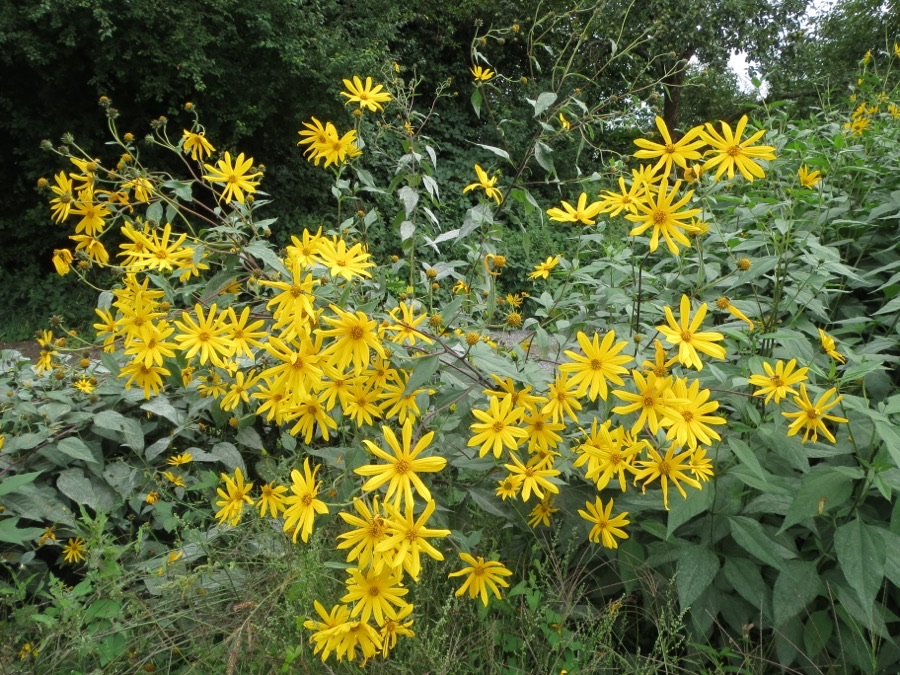
What does an established bed look like?
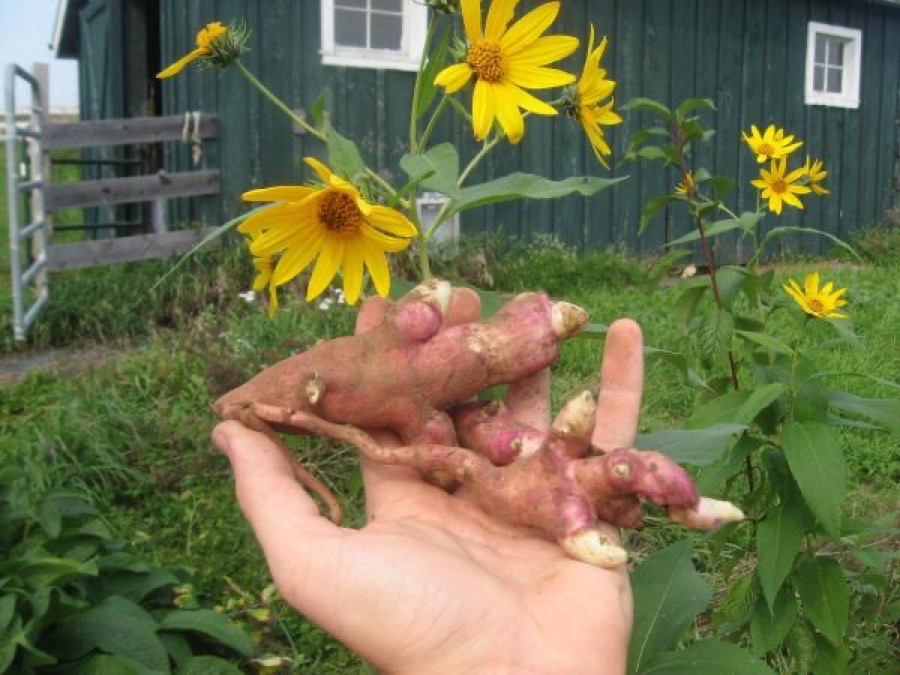
Where are the tubers, and what do they look like?