 Laisha
AI Operating System for Agriculture
Enter Laisha
Laisha
AI Operating System for Agriculture
Enter Laisha
Brassica oleracea var. acephala · Also called: Borecole, Curly kale, Collard greens, Sukuma wiki, Couve, Boerenkool, Chou frisé, Leaf cabbage
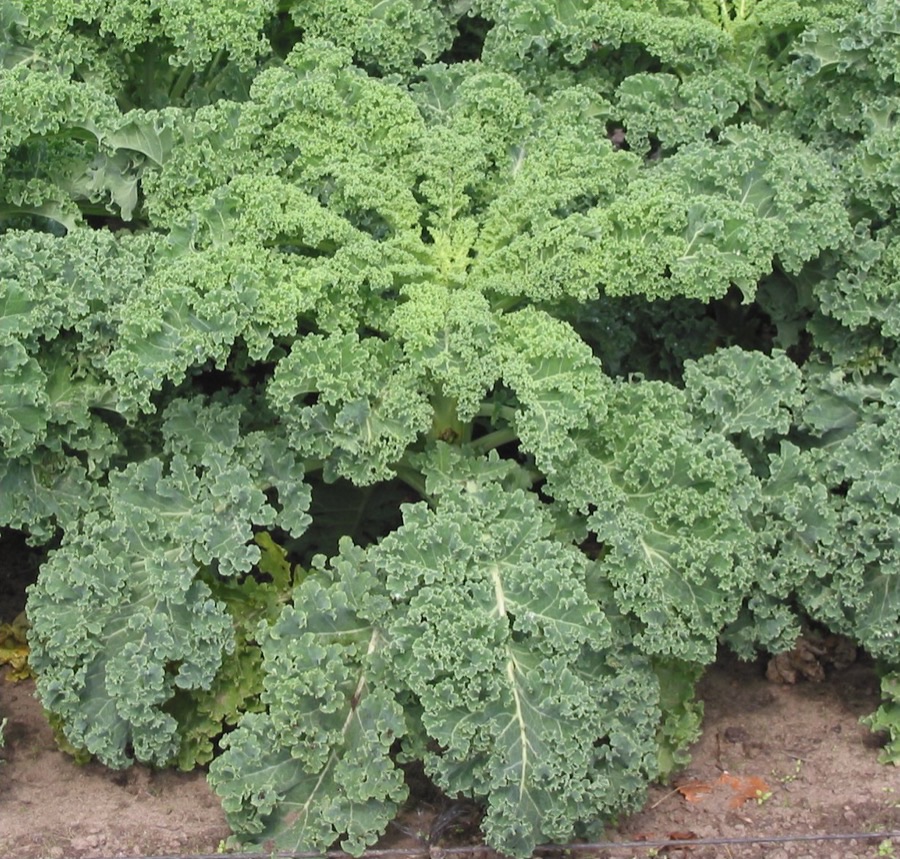
Photo: Rasbak, CC BY-SA 3.0 (Wikimedia Commons)
Kale feeds people in the gap. It is the hardiest of all the cabbage-family vegetables, it will stand through frost that kills everything else in the garden, and it is picked a few leaves at a time over months rather than all at once. In much of East Africa it is called sukuma wiki, which means to push the week, and the name is the honest description of what it does: a few leaves off the plants each evening keeps a family fed between harvests. It is also one of the most nutritious leaves a smallholder can grow. For a grower, its real advantage is the cash flow. Most vegetables pay once. Kale pays a little every week for months, and that steadiness is worth more to a household than a single large payment.
If you see: Leaves full of holes, eaten away between the veins, with droppings caught in the crinkles.
It likely means: Caterpillars, usually of the cabbage white butterflies or the diamondback moth. They feed on the underside and are very easily missed until the damage is done.
Do this: Turn leaves over twice a week and rub off the clusters of yellow eggs before they hatch.
If you see: Plants that wilt in the sun and recover at night, grow slowly, and have swollen lumpy roots when pulled up.
It likely means: Clubroot. It is a soil-borne disease of the whole cabbage family, and once it is in a field it stays there for many years.
Do this: Pull up and burn affected plants, and do not put them on the compost heap.
If you see: Dense grey-white waxy clusters packed into the growing point and the undersides of leaves.
It likely means: Cabbage aphid. It stunts the plant, and because it sits in the folds of the leaf it is almost impossible to wash out before eating or selling.
Do this: Check the growing point of every plant weekly, since that is where it starts.
If you see: Leaves that have gone tough, stringy and bitter, and a buyer who will not take them.
It likely means: The plant was checked: it ran short of water or food, or it is old and starting to run to flower.
Do this: Water steadily rather than letting the plant dry out and then flooding it.
If you see: A tall stem rising out of the middle of the plant with buds forming on it.
It likely means: The plant has decided to flower, usually after a spell of cold on young plants or as the days get long and hot.
Do this: Pull the plant once the flower stem is well up, since the leaves will only get tougher.
If you see: Leaves that were fine when picked and are limp and yellowing by the time they are sold.
It likely means: Heat and time. This leaf loses condition faster than almost anything else a grower carries to market.
Do this: Pick in the early morning or the evening, never in the heat of the day.
Growing the crop is only part of the job. The last part is knowing what a normal harvest looks like where you are, and knowing what your kale is worth before you agree a price with anybody.
If you forget every other page of this guide, keep these lines. They are the whole crop, in order, short enough to carry in your head.
What does the plant look like?
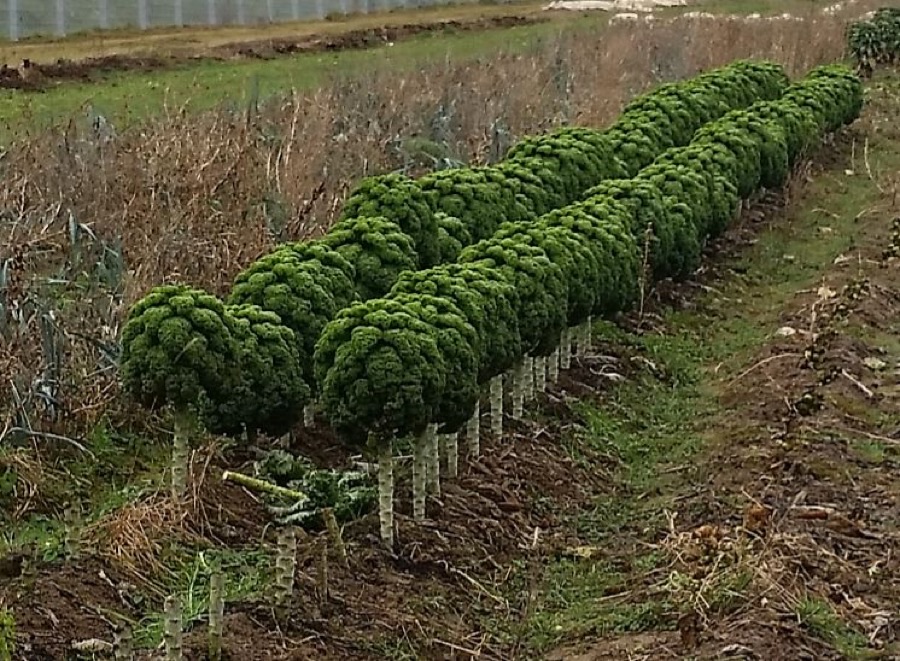
What does a crop ready to pick look like?
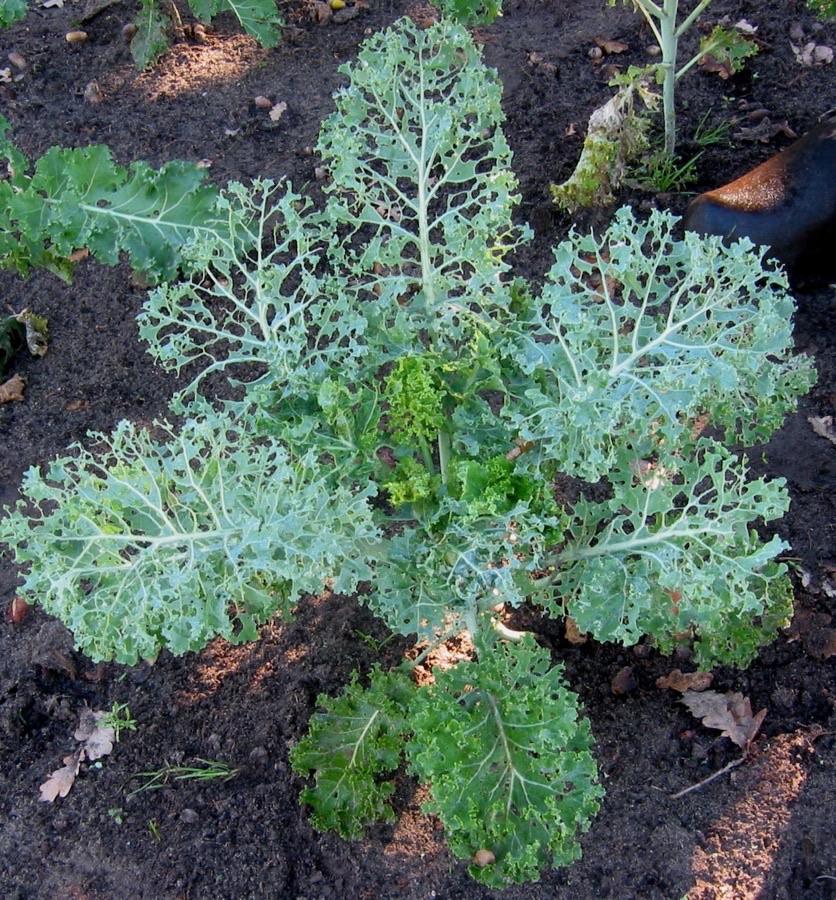
What does caterpillar damage look like?