 Laisha
AI Operating System for Agriculture
Enter Laisha
Laisha
AI Operating System for Agriculture
Enter Laisha
Paspalum scrobiculatum · Also called: Kodra, Kodon, Varagu, Arikelu, Harka, Ditch millet, Cow grass, Indian crown grass
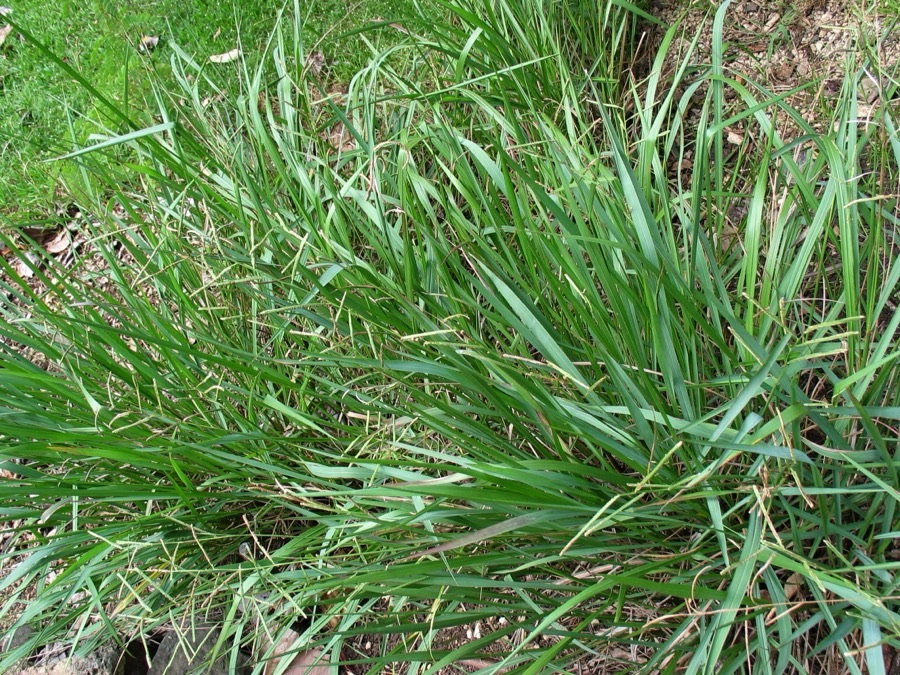
Photo: David Eickhoff from Pearl City, Hawaii, USA, CC BY 2.0 (Wikimedia Commons)
Kodo millet is one of the toughest grain crops there is. It will make a harvest on stony, shallow, poor ground in a bad year, it stands both drought and short spells of waterlogging, and it stores for years without insects touching it, which is more than wheat or rice can claim. For dryland farmers in central and southern India it has been a food of last resort for a very long time, and it is now being planted again for its own sake. Everything good about it is worth the space here. So is the one hard fact that goes with it: grain from this plant can be spoiled by a fungus that makes people ill, and avoiding that is not a matter of luck but of harvesting and storing the grain dry. A guide that praised this crop without saying so would be no use to anybody.
If you see: Grain that has darkened, smells musty, or carries any visible mould, especially after a wet harvest.
It likely means: Fungus has grown on the grain. Kodo millet spoiled this way has made people and cattle seriously ill, and it is the one genuine hazard of this crop.
Do this: Do not eat it, do not sell it, and do not feed it to livestock.
If you see: A thin crop with weeds standing above it.
It likely means: It was not weeded early enough. Kodo is slower to get going than most millets, so weeds get a longer head start.
Do this: Clear the land thoroughly before sowing rather than planning to weed afterwards.
If you see: The crop flattened after wind or heavy rain, with heads lying on wet ground.
It likely means: Usually too much nitrogen, sometimes a storm. On this crop it matters more than on most, because grain on wet ground is where the harmful fungus starts.
Do this: Feed lightly, since this crop does not need or want a heavy nitrogen dose.
If you see: A patchy, thin stand from a field that was sown evenly.
It likely means: Usually sown too deep, or the seed was old, or the soil dried out after sowing.
Do this: Sow no more than two to three centimetres deep.
If you see: Heads stripped of grain, with birds lifting off the field as you approach.
It likely means: Birds. A small plot of ripening millet draws every bird in the district, as it does with every small-grained cereal.
Do this: Start scaring before the grain fills rather than after the birds have found the field.
If you see: A good crop of clean grain with no obvious buyer nearby.
It likely means: Small millets have a thinner trade than rice or wheat in many districts, though that has been changing as they are sold into health-food markets.
Do this: Find out before harvest which buyers and which mills handle small millets near you.
Growing the crop is only part of the job. The last part is knowing what a normal harvest looks like where you are, and knowing what your kodo millet is worth before you agree a price with anybody.
If you forget every other page of this guide, keep these lines. They are the whole crop, in order, short enough to carry in your head.
What does the crop look like growing?
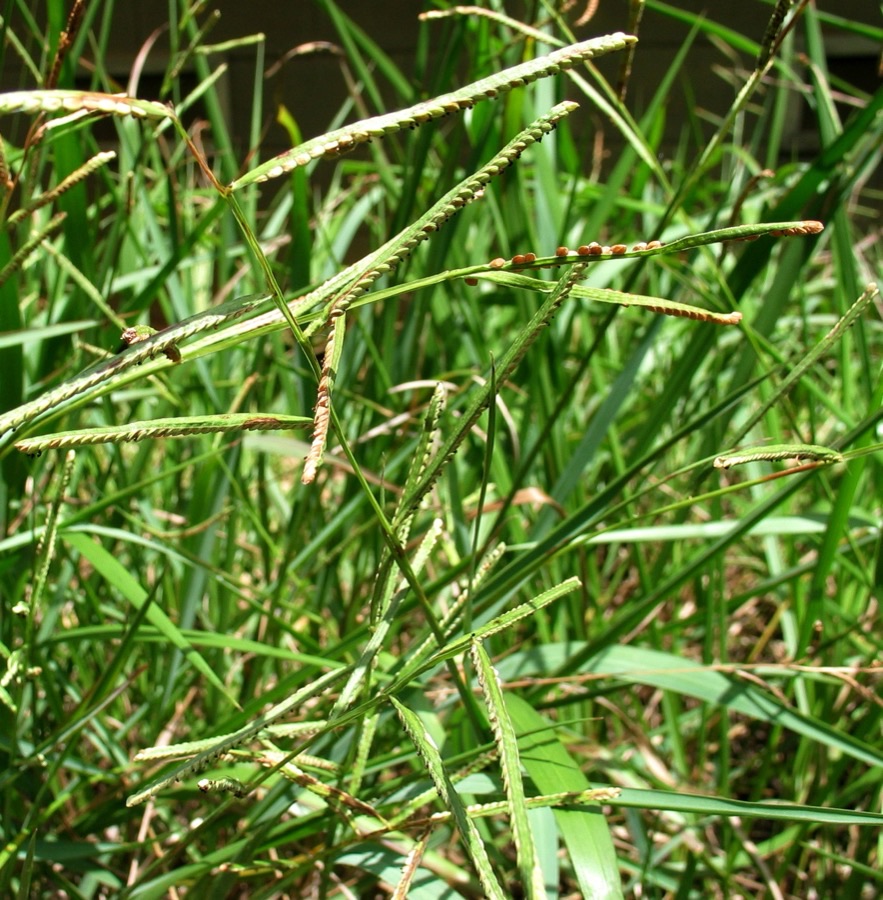
What does the seed head look like?
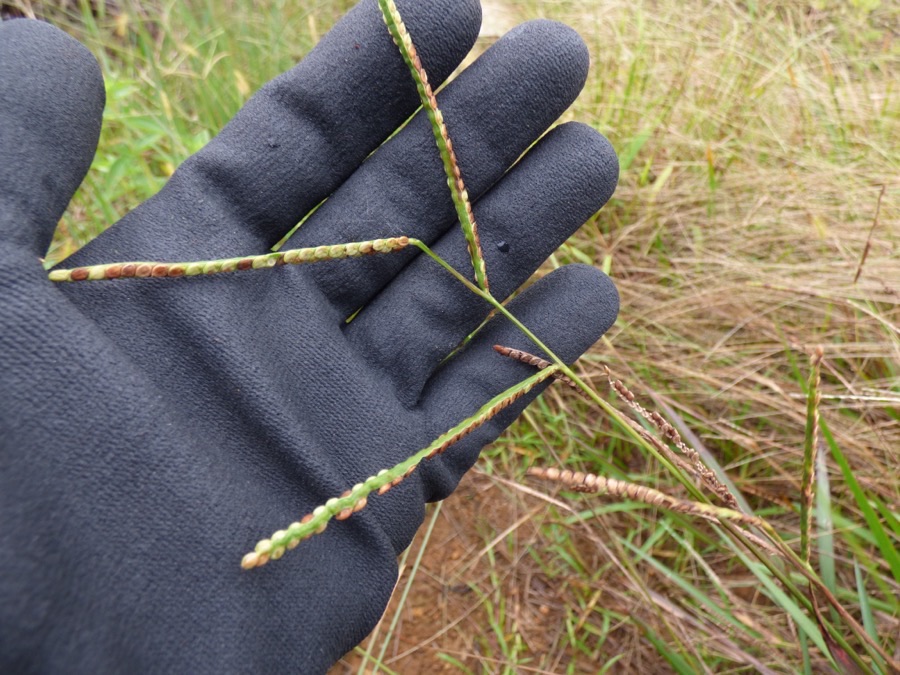
When is the crop ready to cut?