 Laisha
AI Operating System for Agriculture
Enter Laisha
Laisha
AI Operating System for Agriculture
Enter Laisha
Brassica oleracea var. gongylodes · Also called: German turnip, Turnip cabbage, Knol-khol, Ganth gobhi, Chou-rave, Colirrábano, Kohlrübe, Cabbage turnip
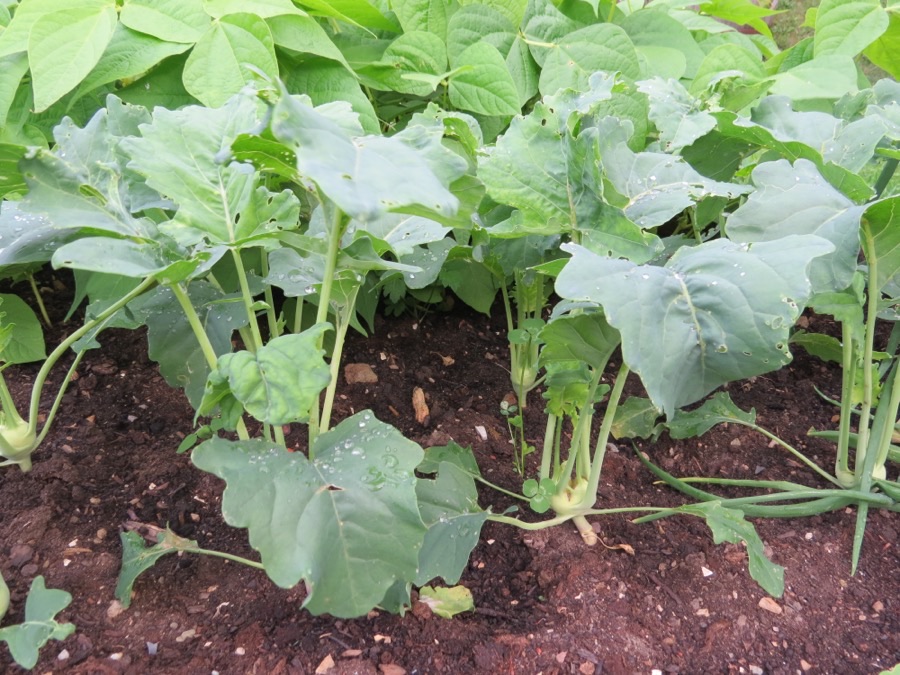
Photo: GT1976, CC BY-SA 4.0 (Wikimedia Commons)
Kohlrabi is the fastest thing in the cabbage family and one of the fastest vegetables a grower can plant at all. Six to ten weeks after transplanting it is ready, which means it fits into gaps that no other brassica can use: between two main crops, after an early harvest, or as a quick crop while something slower gets going. It stands cold well, it is grown from the Alps to the Kashmir valley to Vietnam, and both the swollen stem and the leaves are eaten. The one rule that decides whether the crop is worth anything is about size, and it runs against instinct: kohlrabi must be picked small. A grower who waits for a bigger ball gets a woody one, and woodiness cannot be cooked out.
If you see: Balls that are tough, fibrous and stringy however long they are cooked.
It likely means: Either they were left to grow too big, or the crop was checked by drought, crowding or hunger partway through.
Do this: Cut at five to eight centimetres across, while it still looks small.
If you see: Balls that have cracked open down the side.
It likely means: The plant went dry and then got a sudden flood of water, so the inside swelled faster than the skin could stretch.
Do this: Water steadily and often rather than heavily and seldom.
If you see: Leafy plants that never form a proper ball at all.
It likely means: Usually planted too deep or too close together, sometimes too much nitrogen, sometimes seedlings that were old and checked before they went out.
Do this: Plant at the same depth the seedling stood in the nursery, never deeper.
If you see: Plants wilting in the sun and recovering at night, with swollen lumpy roots when pulled up.
It likely means: Clubroot. It is a soil-borne disease of the whole cabbage family, and once it is in a field it stays for many years.
Do this: Pull up and burn affected plants, and do not compost them.
If you see: Young leaves peppered with many small round holes, and seedlings that stop growing.
It likely means: Flea beetle. It is worse on a fast young crop than on a slow one, because there is no time for the plant to grow away from the damage.
Do this: Cover young plants with fine netting where you can, put on before the damage starts.
If you see: Balls that were firm at cutting and are limp and shrivelled a day or two later.
It likely means: The leaves were left on. They keep drawing moisture out of the ball after it has been cut from its roots.
Do this: Trim most of the leaves off as soon as the crop is cut, keeping a few young ones for appearance.
Growing the crop is only part of the job. The last part is knowing what a normal harvest looks like where you are, and knowing what your kohlrabi is worth before you agree a price with anybody.
If you forget every other page of this guide, keep these lines. They are the whole crop, in order, short enough to carry in your head.
What does the crop look like growing?
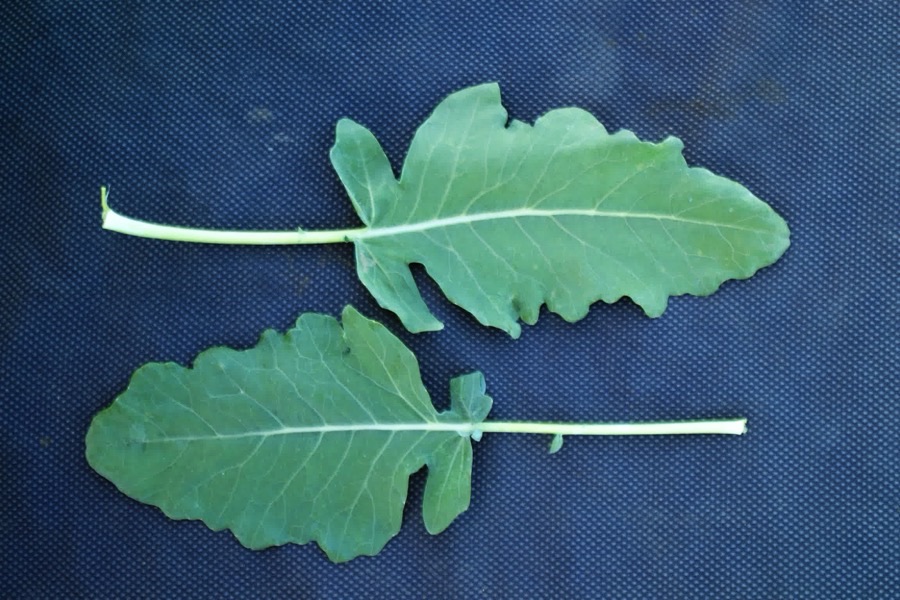
What do the leaves look like?
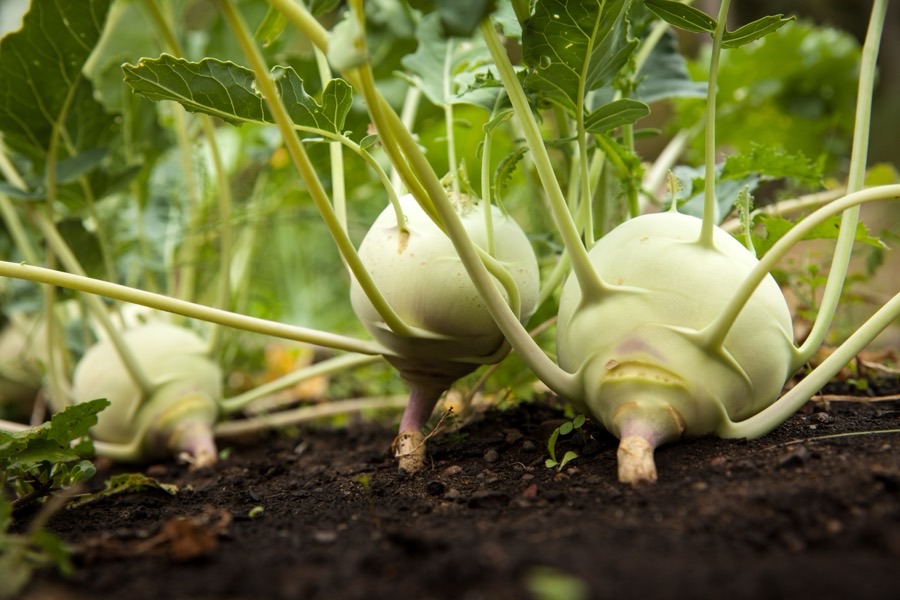
When is it ready to cut?