 Laisha
AI Operating System for Agriculture
Enter Laisha
Laisha
AI Operating System for Agriculture
Enter Laisha
Lablab purpureus · Also called: Hyacinth bean, Dolichos bean, Bonavist bean, Indian bean, Egyptian bean, Sem, Avarai, Avarekai
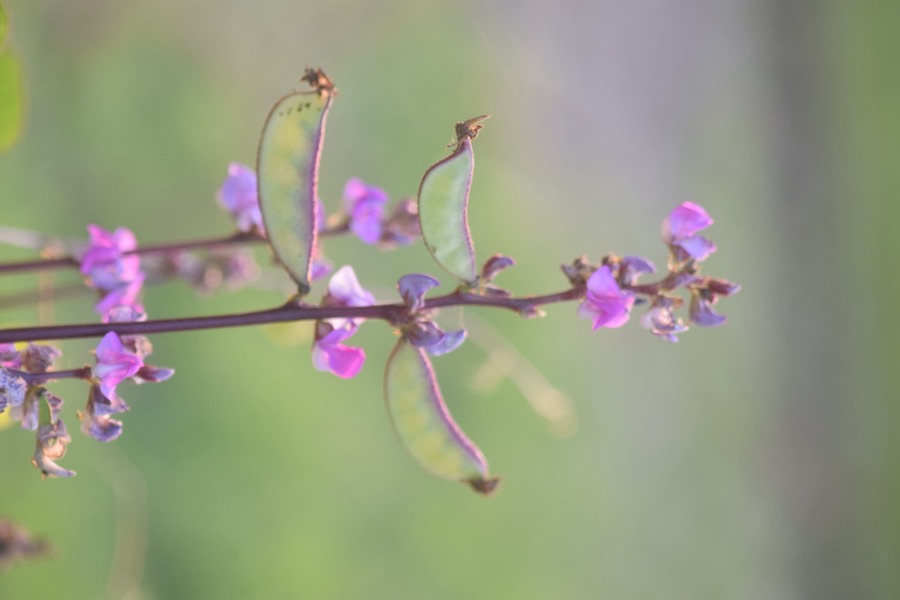
Photo: Md. Mahian, CC BY-SA 4.0 (Wikimedia Commons)
Lablab does three jobs from one sowing, which is rare. The young pods are a vegetable, the dry seed is a pulse that stores for months, and the whole plant is among the best forages a smallholder can grow for cattle and goats. On top of that it fixes nitrogen and makes a very large amount of leaf, so it is widely sown purely to improve tired ground. It is grown across eastern and southern Africa, South Asia and South East Asia, and it stands drought better than almost any other bean once its roots are down. For a household with a cow and a small piece of dry land, it is often the single most useful legume available.
If you see: A magnificent leafy vine covering everything, going on for months, with no flowers and no pods at all.
It likely means: Either the kind is waiting for the days to shorten before it will flower, or it has been given nitrogen. Both are common and both look the same from outside.
Do this: Ask a licensed dealer or your extension office when the kind you sowed normally flowers.
If you see: People or animals becoming ill after eating dry lablab seed, especially if it was cooked quickly or the cooking water was kept.
It likely means: The seed was not soaked and boiled properly. Dry lablab seed contains natural substances that proper boiling removes, and the cooking water carries them.
Do this: Soak dry seed for several hours or overnight and throw that water away.
If you see: Flowers and young pods webbed together with silk and dark droppings, and a caterpillar inside eating the developing seed.
It likely means: The pod borer. It feeds inside the webbed cluster where nothing applied to the outside can reach it.
Do this: Pick off and destroy webbed clusters and bored pods at every picking rather than leaving them on the plant.
If you see: Green pods that are stringy and leathery when cooked and that nobody in the household wants to eat.
It likely means: They were picked too late. Lablab pods go fibrous quickly once the seeds inside begin to swell.
Do this: Pick green pods while they are still flat and soft enough to snap cleanly.
If you see: Small round holes in stored dry seed, fine powder at the bottom of the container, and small beetles moving in the grain.
It likely means: Storage weevils. They often come in with the harvest as eggs already laid in the pod and then multiply in store.
Do this: Dry the seed hard before storing, so that a grain cannot be dented with a fingernail.
If you see: Plants yellowing and dying in patches within a day or two of heavy rain, worst in the lowest part of the field.
It likely means: Standing water. Lablab tolerates weeks of drought and very little waterlogging.
Do this: Choose well-drained ground, which is where this crop belongs anyway.
If you see: A fodder crop that was grazed hard and has not grown back, leaving bare stems and thin regrowth.
It likely means: It was cut or grazed too low or too often. Lablab grows back from buds on the lower stem, and there has to be lower stem left.
Do this: Cut about twenty centimetres above the ground rather than at soil level.
Growing the crop is only part of the job. The last part is knowing what a normal harvest looks like where you are, and knowing what your pods, seed or fodder are worth before you agree a price with anybody.
If you forget every other page of this guide, keep these lines. They are the whole crop, in order, short enough to carry in your head.
What do the flowers and young pods look like on this plant?
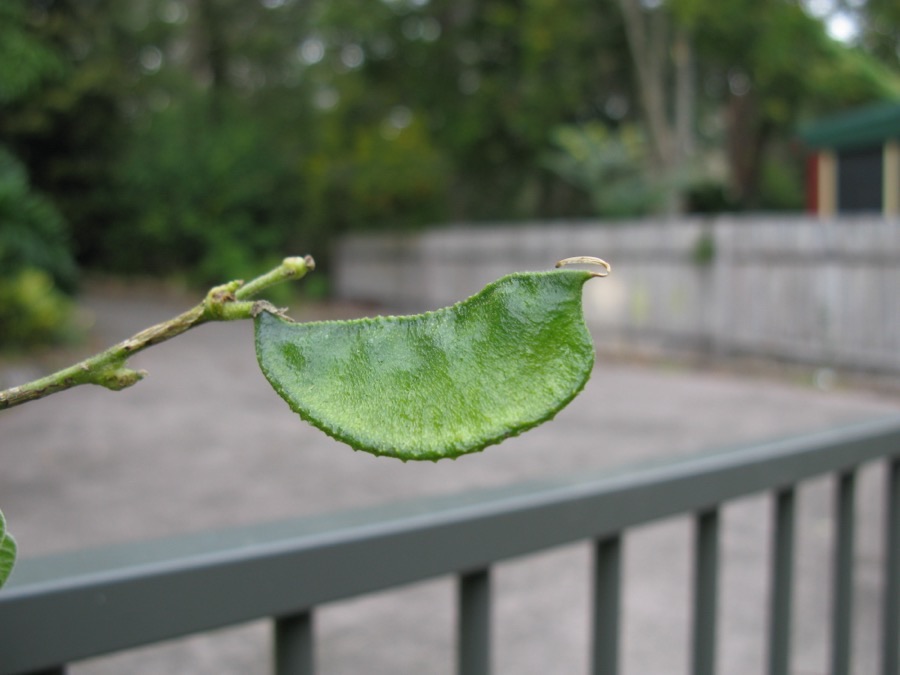
When should I pick the pods to eat?
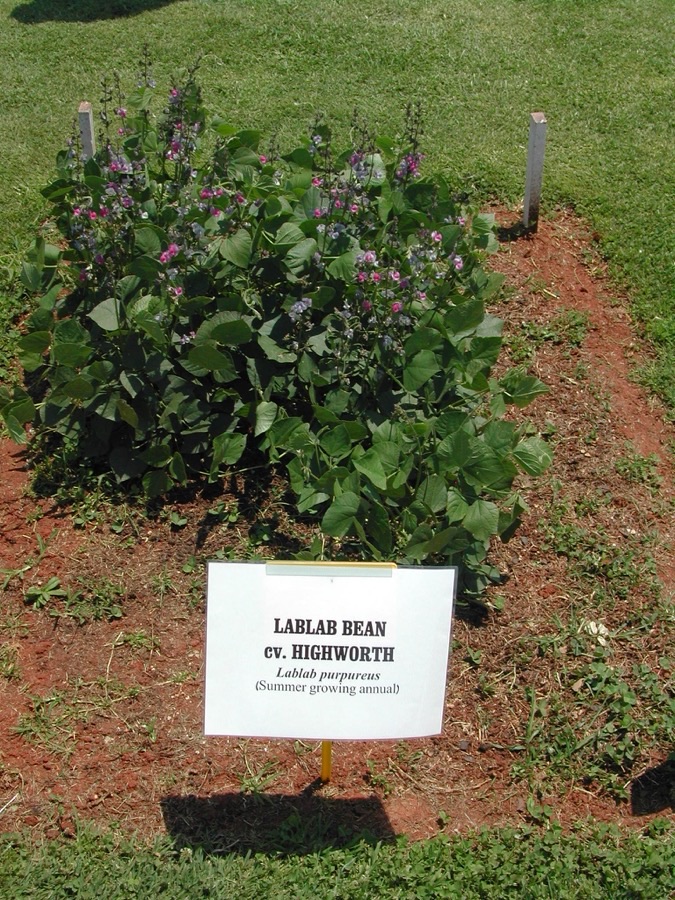
How does the whole plant grow, and does it need support?