 Laisha
AI Operating System for Agriculture
Enter Laisha
Laisha
AI Operating System for Agriculture
Enter Laisha
Lavandula angustifolia · Also called: English lavender, True lavender, Common lavender, Lavande vraie, Lavendel, Levanduľa
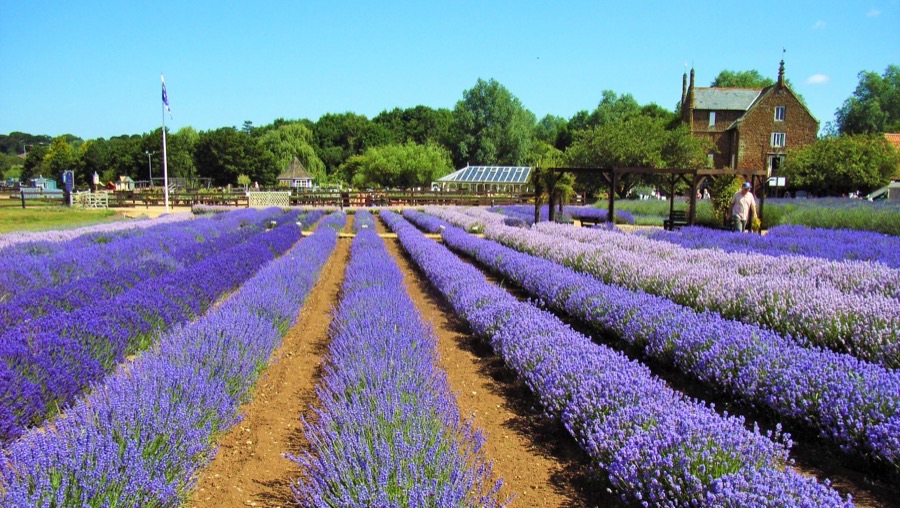
Photo: Brian Ashworth32090, CC BY-SA 2.0 (Wikimedia Commons)
Lavender is a crop that rewards poor ground and punishes kindness. It wants thin, dry, stony, well-drained soil in full sun, and it dies in the rich damp ground most crops want. That makes it one of the few genuinely valuable things to grow on a hillside or a stony field that will carry nothing else. There are two distinct products from the same plant on two different harvest dates: dried flower buds for the craft and culinary trade, cut early while the colour is at its best, and oil, cut later when the oil in the flower has peaked. Bulgaria and France lead world production, with China, the United Kingdom, Australia and the United States all growing it commercially. A well-pruned plant crops for fifteen or twenty years; an unpruned one splits open and is finished in five.
If you see: Plants gone tall, grey and woody, split open in the middle with bare stems showing and flowers only at the tips.
It likely means: They were not pruned. Lavender that is never cut back builds bare wood at the base, and then falls open under its own weight.
Do this: Prune every year straight after harvest, taking about a third off and leaving green leaf below every cut.
If you see: Plants going grey and wilting from the base, then dying, often in patches and often after wet weather.
It likely means: Root rot in ground that holds water. Lavender is a dry-hillside plant and wet feet kill it.
Do this: Improve the drainage rather than treating the plants, since that is the actual problem.
If you see: Dried flowers that have gone pale grey instead of holding a strong purple.
It likely means: They were dried in the light, or cut too late, or both. Colour is most of what a dried-flower buyer pays for.
Do this: Dry in a dark, cool, airy place, never in sun and never in a bright room.
If you see: A distiller reporting a poor oil yield from a crop that looked heavy and healthy.
It likely means: Usually cut too early, or cut wet, or fed too well. Oil peaks later than the best moment for dried flower.
Do this: Cut for oil when about half the florets are open and the earliest have begun to fade.
If you see: A buyer paying you a lavandin price for what you were told was true lavender, or rejecting the lot outright.
It likely means: The planting material was sold simply as lavender. Three different lavenders are grown commercially and they are paid quite differently.
Do this: Buy planting material by the full botanical name and get it in writing.
If you see: One or two whole branches suddenly wilting and dying while the rest of the bush stays healthy.
It likely means: A disease of the woody stems. There is no cure, and it moves from plant to plant on pruning tools.
Do this: Cut out affected branches well below the dead part and burn them.
Growing the crop is only part of the job. The last part is knowing what a normal harvest looks like where you are, and knowing what your lavender is worth before you agree a price with anybody.
If you forget every other page of this guide, keep these lines. They are the whole crop, in order, short enough to carry in your head.
What does the standing crop look like?
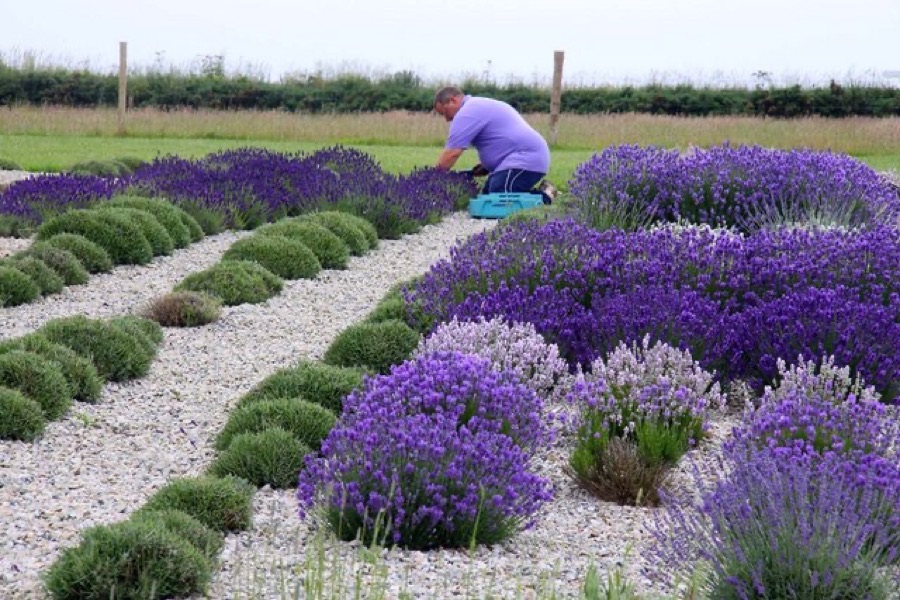
When should the crop be cut?
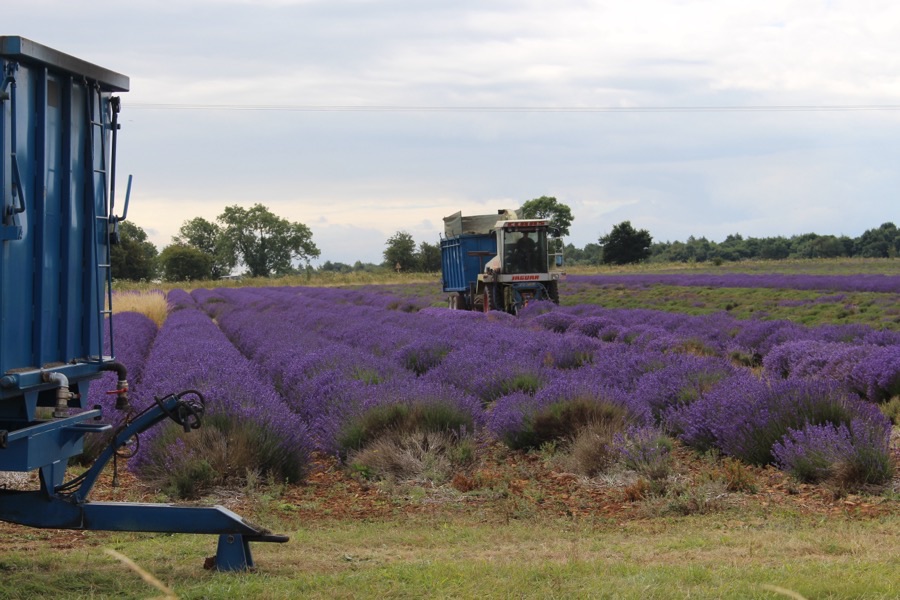
What does harvesting at scale look like?