 Laisha
AI Operating System for Agriculture
Enter Laisha
Laisha
AI Operating System for Agriculture
Enter Laisha
Allium ampeloprasum · Also called: Porrum, Poireau, Lauch, Porree, Prei, Puerro, Porro, Garden leek
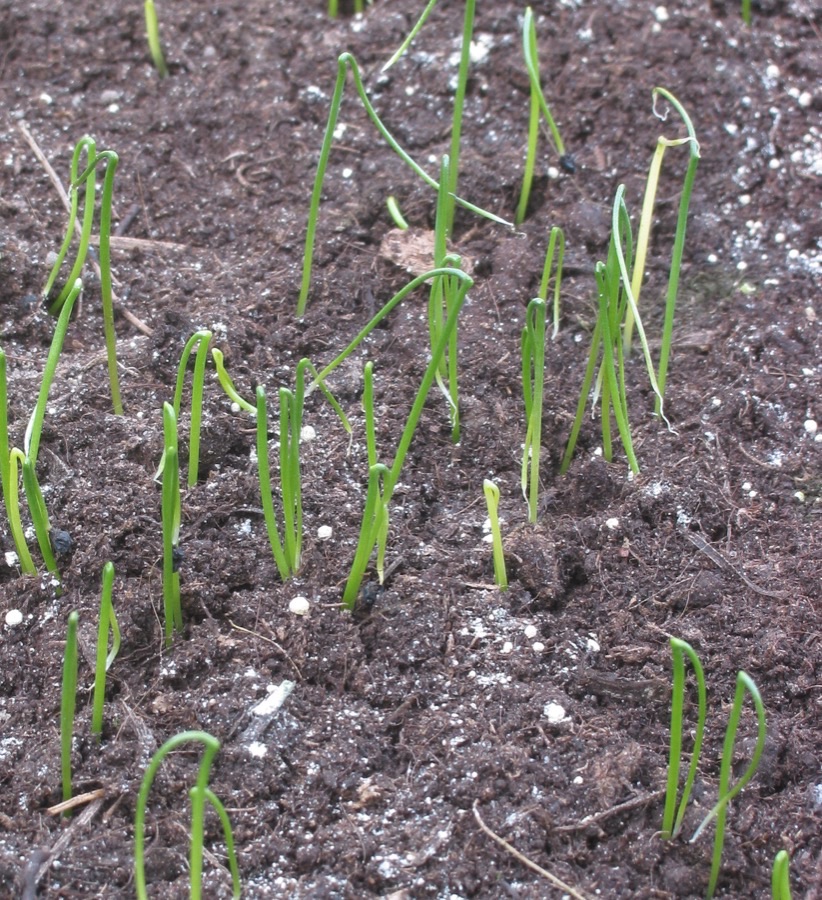
Photo: Rasbak, CC BY-SA 3.0 (Wikimedia Commons)
A leek is two useful things at once. It is a vegetable that is paid for by the length of the white part at its base, and that white is not something the plant grows on its own — it is something the grower makes, by keeping light off the stem. Learn that one trick and the same crop is worth considerably more. It is also, almost uniquely among vegetables, its own store. A leek will stand in the ground through hard frost and wait, so a grower lifts only what can be sold this week and leaves the rest growing. Most vegetables force you to sell when they are ready. This one lets you sell when the price is right, and for a small farmer that is a rare kind of freedom.
If you see: Leeks with only a few centimetres of white at the base and a long green stem above it.
It likely means: They were not planted deep enough or not earthed up. The white is made by keeping light off the stem, and nothing else creates it.
Do this: Plant into a hole about fifteen centimetres deep, not into a shallow one.
If you see: Leeks breaking off at the base as they are harvested, leaving the bottom in the ground.
It likely means: They were pulled instead of lifted. A leek is held firmly and its shank is brittle, so firm ground wins every time.
Do this: Push a fork in beside the plant and lever the soil loose before touching the leek.
If you see: Bright orange powdery spots and streaks over the leaves, worst in mild damp weather.
It likely means: Rust. It is the commonest disease of this crop and it is worse where plants are crowded, soft with nitrogen, and slow to dry.
Do this: Space plants properly so that air moves between them.
If you see: Plants yellowing and wilting in patches, lifting easily, with a soft base carrying white fluffy growth and tiny black grains.
It likely means: White rot. It is the most serious disease of the onion family and the small black grains survive in the soil for fifteen years or more.
Do this: Remove and burn every affected plant, and never compost them or leave them on the field.
If you see: Pale winding tunnels in the leaves, small grubs in the heart, and rotting damage running down into the shank.
It likely means: Leek moth or allium leaf miner. Both lay on the leaves and the grubs work downwards into exactly the part that is sold.
Do this: Cover young crops with fine netting, since the adults must land on the plant to lay.
If you see: A hard round stalk pushing up through the middle of the leek, with a ball of buds at the top.
It likely means: The plant has decided to flower, usually after a cold spell while young or simply because it has been left too long.
Do this: Lift those plants first, since they only get woodier.
Growing the crop is only part of the job. The last part is knowing what a normal harvest looks like where you are, and knowing what your leeks are worth before you agree a price with anybody.
If you forget every other page of this guide, keep these lines. They are the whole crop, in order, short enough to carry in your head.
What do the seedlings look like?
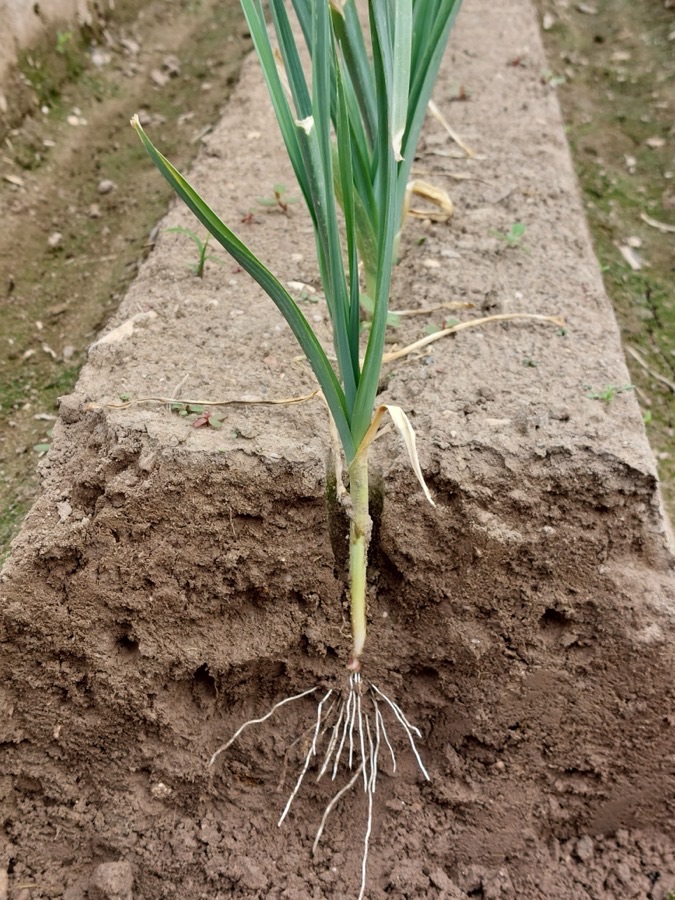
How should a young plant sit in the ground?
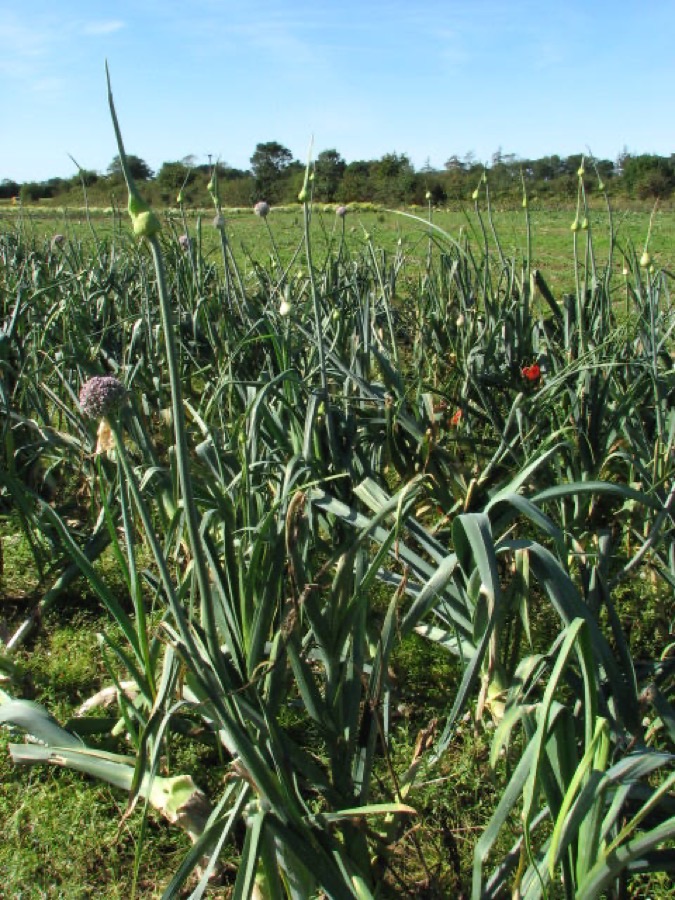
When is the crop ready to lift?