 Laisha
AI Operating System for Agriculture
Enter Laisha
Laisha
AI Operating System for Agriculture
Enter Laisha
Cymbopogon citratus · Also called: Lemon grass, West Indian lemongrass, Serai, Sereh, Takhrai, Tanglad, Capim-limão, Yerba luisa
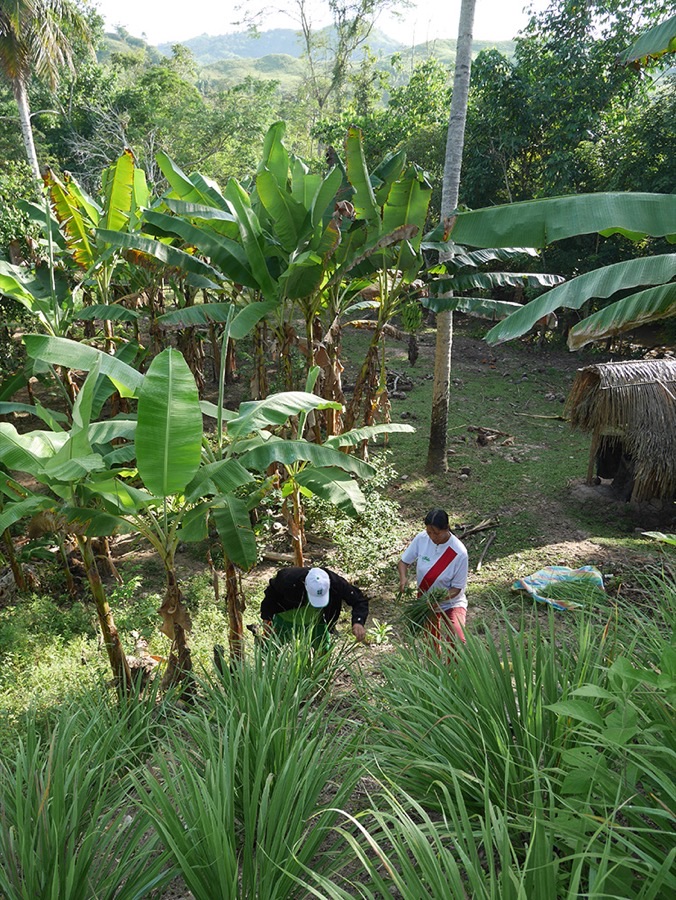
Photo: Kristi Denby/Archivo Centro Takiwasi, CC BY-SA 4.0 (Wikimedia Commons)
Lemongrass is two crops growing in one clump. Cut young and trimmed, the thick stalk bases sell fresh into kitchens across South East Asia, India, Africa, Brazil and the Caribbean. Grown on and cut for the leaves, the same plant is distilled into lemongrass oil, which is bought by weight of its scent chemistry for soaps, cleaners, flavours and medicines. It survives poor stony soil and long dry spells that would defeat a vegetable, it is cut every few months for several years from one planting, and almost nothing eats it. For a smallholder it is one of the few crops that keeps paying from land nobody else wants.
If you see: A new planting where weeds are taller than the slips and the clumps are small and yellow after three months.
It likely means: The first three months were not weeded enough. Young lemongrass cannot compete until the clumps grow big enough to shade the ground themselves.
Do this: Weed hard and often for the first three months, which is the whole battle.
If you see: A buyer refusing your oil, or kitchen buyers saying the stalks taste wrong, from a crop that grew perfectly well.
It likely means: You may be growing citronella grass or palmarosa rather than cooking lemongrass. They look alike, they all smell strong, and slips passed between neighbours get mixed up.
Do this: Take slips only from a clump you have seen, smelled and confirmed.
If you see: Clumps that regrow slowly, patchily or not at all after a cutting.
It likely means: They were cut too close to the ground, or cut too young, or both. A grass regrows from the base, and cutting that base away removes the regrowth.
Do this: Cut ten to fifteen centimetres above the soil, never level with it.
If you see: A good weight of leaf giving disappointingly little oil when distilled.
It likely means: Usually the leaf sat too long before distilling, or went into the still fresh and whole, or was cut from clumps that had been fed nothing.
Do this: Distil within a day or two of cutting rather than letting the heap sit and heat.
If you see: Clumps four or five years old that are woody and dead in the middle, with thin growth only around the edge.
It likely means: The planting has aged. Lemongrass clumps crowd themselves and the centre dies out, which is normal and expected.
Do this: Dig the clumps up and split them into fresh rooted slips.
If you see: Clumps that yellow, wilt and lift out of the ground easily, with soft brown bases.
It likely means: The base has rotted, almost always because water stood around the clump. Lemongrass tolerates drought far better than it tolerates wet feet.
Do this: Plant on ridges or raised beds where drainage is doubtful.
Growing the crop is only part of the job. The last part is knowing what a normal harvest looks like where you are, and knowing what your lemongrass is worth before you agree a price with anybody.
If you forget every other page of this guide, keep these lines. They are the whole crop, in order, short enough to carry in your head.
What does a lemongrass planting look like in the ground?
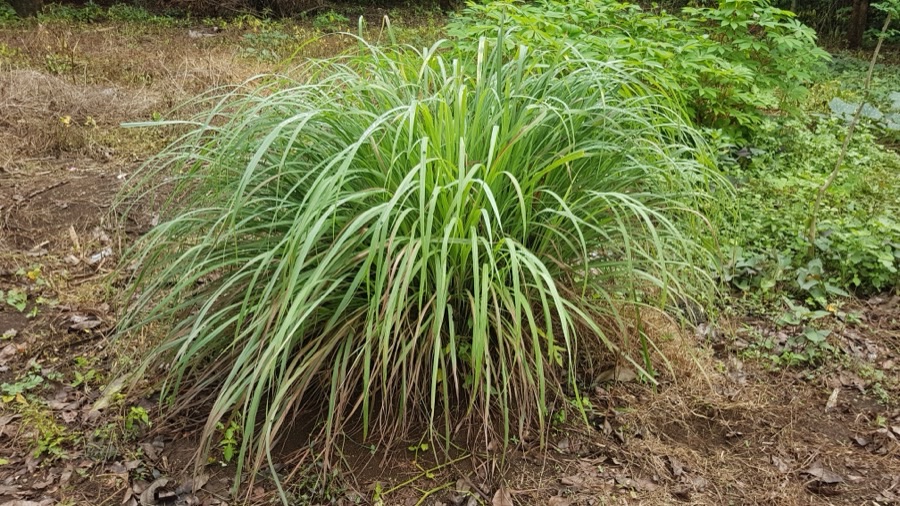
When is a clump ready to cut for the first time?
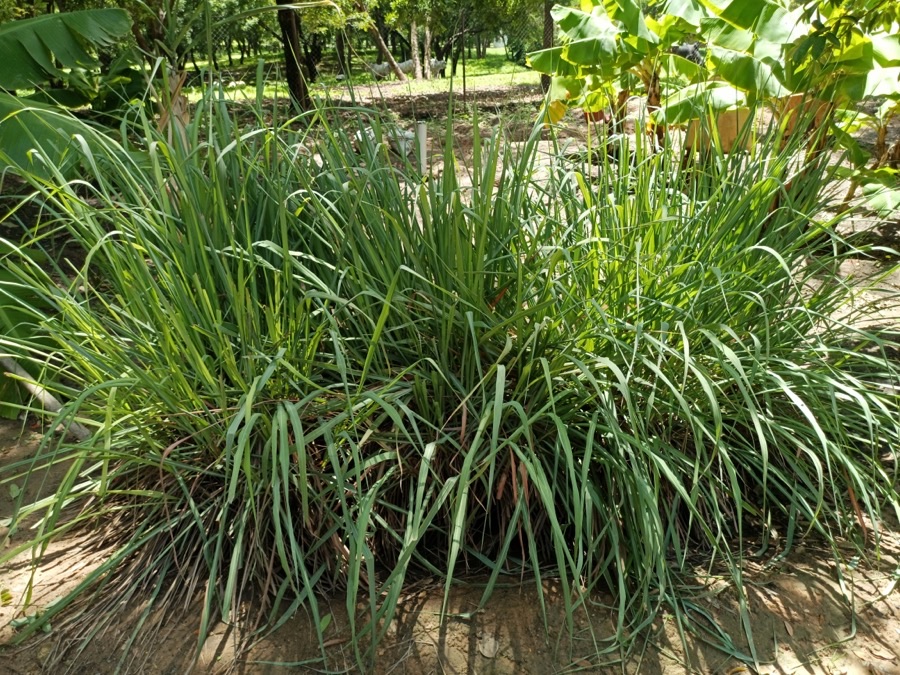
Which part of the plant is the crop?